What happened
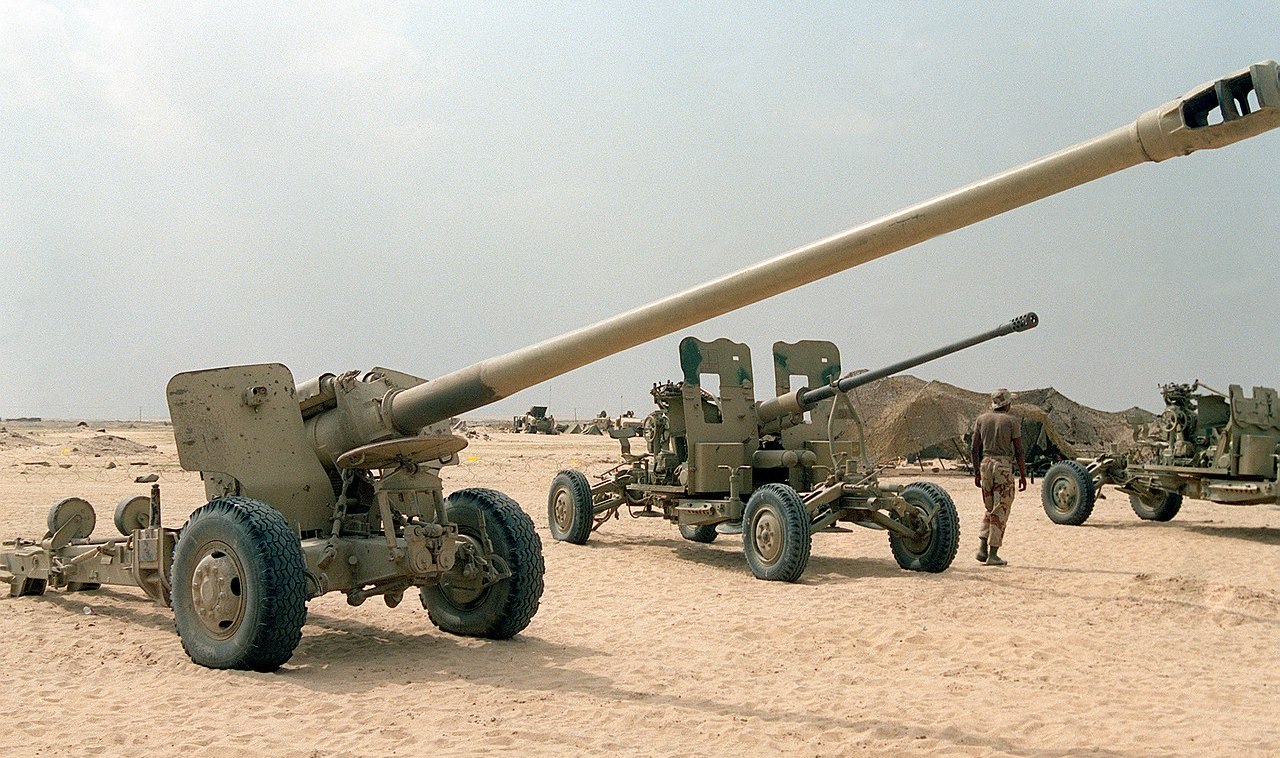
The 413th Regiment of the Raid Unmanned Systems Forces confirmed the destruction of a rare Soviet 122-mm corps‑level artillery gun, the D‑74. The event was recorded at the front; the military did not name the exact direction, but provided technical and contextual details in a comment to LIGA.net.
“From this it followed that the Russians theoretically should not have had any 122 mm D‑74 guns remaining even by 1991. And if anything did remain, it could only have been unrecorded stocks — meaning something stood somewhere without documentation and formally was not registered anywhere.”
— Representative of the 413th Regiment of the Raid Unmanned Systems Forces (in a comment to LIGA.net)
Brief background
D‑74 — a Soviet 122‑mm gun from the 1950s; its use in the post‑Soviet space became rare, and according to open declarations under the Treaty on Conventional Armed Forces in Europe (CFE), such systems did not appear on Russia’s lists. At the same time, the video showed the gun firing shells resembling North Korean copies of the F‑492 type.
Why the appearance of the D‑74 in Russia is not trivial
In August–October last year, foreign intelligence and media reports drew attention to North Korea’s broad involvement in supplying ammunition and equipment to Russia. In the case of the D‑74 there are two key logical versions:
- these were unrecorded, “lying around” stocks — but arming even a single artillery brigade would require dozens of units;
- a more plausible version — a delivery from the DPRK, which explains the presence of ammunition typical of North Korea and the appearance of equipment that Moscow had not previously declared.
“To arm even one artillery brigade with a specific type of gun you need several dozen units. It is unlikely that the Russians simply had a few dozen D‑74s 'lying around' that could be suddenly brought into service. That is why the second version logically follows — that these D‑74s were received from the North Korean side.”
— Representative of the 413th Regiment of the Raid Unmanned Systems Forces (in a comment to LIGA.net)
Tactical consequences at the front
The important point is not the single hit itself, but the demonstrative logic of placement and use: over the past year both Ukrainian and Russian units have been moving to dispersed, deeply dug‑in positions for artillery — often practically a separate bunker is dug for each installation. This complicates detection and destruction, but at the same time makes the process of reconstituting a brigade after the loss of main systems more difficult.
“Practically a separate bunker can be dug for each artillery system. It is precisely thanks to such security measures that artillery still retains its role on the battlefield, despite drones objectively dominating the air.”
— Representative of the 413th Regiment of the Raid Unmanned Systems Forces (in a comment to LIGA.net)
Context: not an isolated appearance
This news item fits into a broader pattern: in September the Unmanned Systems Forces hit four North Korean Koksan self‑propelled guns, and foreign intelligence reported a significant share of North Korean ammunition in the supplies Russia receives. Together this paints a picture in which Moscow is ramping up import channels to compensate for losses and a decline in its own production.
Conclusion
One destroyed example is a signal, not an isolated trophy. The appearance of the D‑74 in Russian ranks underscores dependence on alternative supply channels and problems with logistics and equipment accounting. For Ukraine it is important not only to record such cases, but also to systematically work to sever supply chains, strengthen intelligence, and improve strikes on the opponent’s logistics hubs.
Question for partners and sanctions policy: how effective will current restrictions be if weapons and ammunition increasingly arrive through indirect channels? The answer to this is decisive for further defense planning.





