Millions of people switch from hot to cold water every morning — some "for invigoration," some on TikTok's advice, some because their grandfather did it. But what exactly happens in the body during this stress and where is the line between benefit and harm? Otto Stoyka, a candidate of medical sciences, doctor at the Kyiv City Center for Disease Control and Prevention under the Ministry of Health of Ukraine and public health expert, explained the mechanism for UNN.
What Happens in the Body
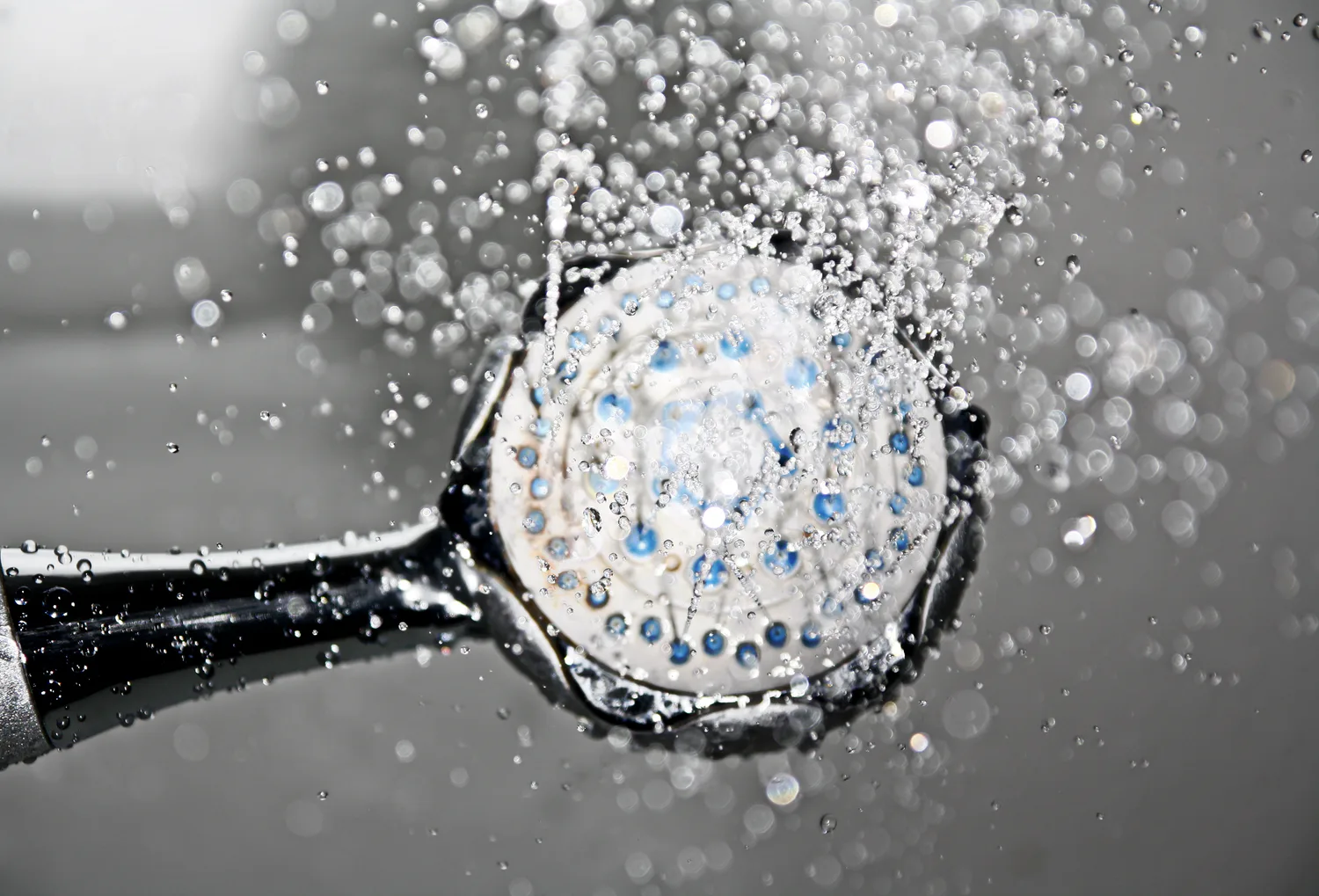
The main effect of contrast shower is the reaction of blood vessels and the nervous system to rapid temperature changes. Cold water causes vessels to constrict, hot water — to dilate. This is a kind of strength training for the vascular wall: it becomes more elastic, responds better to temperature fluctuations and physical exertion.
At the same time, the nervous system activates. According to Stoyka, this is where the "dopamine effect" that social networks love to talk about lies hidden. Cold stress indeed stimulates dopamine release — a neurotransmitter associated with motivation and pleasure sensation. Studies of cold immersion at 14°C recorded a 250% increase in plasma dopamine levels — and this effect lasts longer than most other stimulants.
However, Stoyka warns against excessive expectations regarding immunity:
"Immunity is a very complex system that works by its own mechanisms. One cannot say that a contrast shower directly increases immunity. But it trains the body's adaptation mechanisms, helps better tolerate stress and environmental changes."
Otto Stoyka, public health expert at the Ministry of Health of Ukraine
When to Stop
Enthusiasm around contrast showers often masks real risks. Contraindications are not precautions for overcautiousness, but a medical boundary:
- Hypertension and cardiovascular disease — cold sharply increases blood pressure and stress on the heart; risk of vascular spasm.
- Arrhythmia — temperature shock can trigger rhythm disturbances.
- Acute inflammatory processes, ARVI, elevated temperature — any additional stress on the body at this time is unnecessary.
- Pregnancy — sharp temperature fluctuations are undesirable due to unpredictable vascular reactions.
- Kidney disease and cystitis — overcooling can aggravate the condition.
Researchers also note that with age, the adrenomedullary response weakens — that is, the same dose of cold places more stress on the cardiovascular system in older age than in youth.
How to Do It Right — If You Do It
Stoyka emphasizes: no fanaticism. A few principles confirmed by both practice and research:
- Start with minimal temperature difference — not ice water after boiling.
- Always start with warm water, finish with cold.
- Duration under cold does not determine the strength of the effect: short cycles work the same as long ones.
- Listen to your body's signals: dizziness, chills, chest discomfort — reasons to stop and consult a doctor.
The question of "with head or without" remains debatable: alternating temperatures creates additional stress on the cerebral blood vessels, so people with vascular problems should avoid it.
A contrast shower is a tool, not a ritual. If, a year from now, when neuroscience finally explains the mechanism of dopamine response to cold, a clear dosing protocol emerges — will medicine's attitude toward it change from a simple hardening habit to a full-fledged therapy?