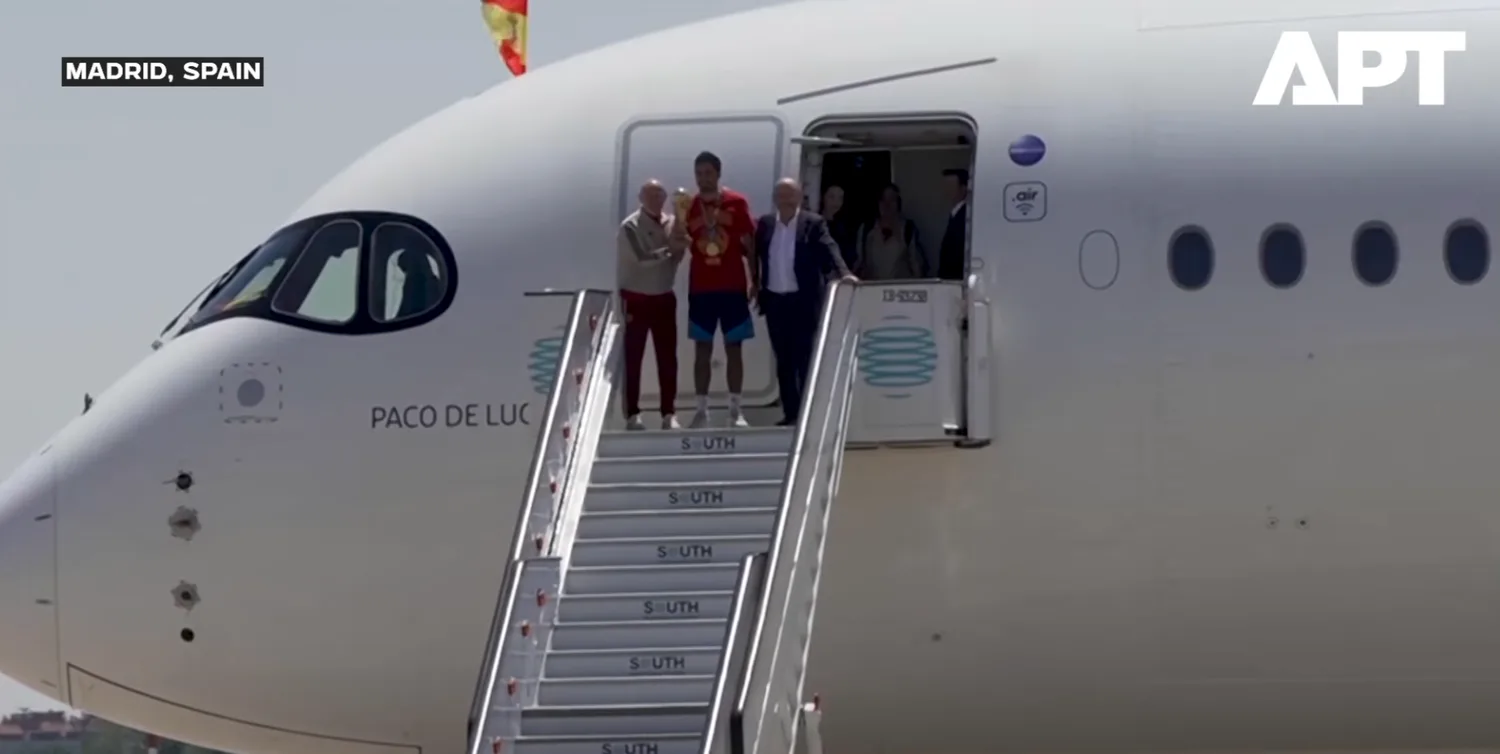
On Monday, Spain's national team returned to Madrid as world champions for the first time in 16 years. Ferran Torres scored the only goal in the final in the 106th minute, and the next day almost 1.8 million people took to the streets of the capital — together with the king and Prime Minister Pedro Sánchez. Barcelona, Valencia, Seville, and Málaga repeated the scene on their own scale.
FIFA's Check: A Record Equal to a Quarter Hour of the Economy
FIFA will pay Spain's Football Federation a record $50 million (€43.7 million) — more than the $42 million Argentina received after its 2022 victory. The tournament's total prize pool increased to $655 million thanks to expansion from 32 to 48 teams.
However, as noted by Pedro Santa-Cruz, director of Freedom24 Iberia, this sum equals approximately a quarter hour of Spain's national economic output, which amounts to €1.69 trillion. Part of the money will immediately return to the state: Spanish tax authorities will receive approximately €6 million from 17 squad members living in the country — mostly to the central treasury.
What Science Says: +0.48% GDP, But Only Briefly
The economic effect of a World Cup victory is real, but limited in time. According to a 2024 study by economist Marco Mello from the University of Aberdeen, published in Oxford Bulletin of Economics and Statistics, winning the World Cup adds the champion country at least 0.48% annual GDP growth over two quarters following the final.
Applied to the Spanish economy, this amounts to approximately €4 billion — real money. However, the effect disappears after two quarters.
"The celebration is misleading. Transactions in bars and restaurants increased 36% during the group stage — but most of this consists of spending shifted from other sectors, not new money in the economy".
Pedro Santa-Cruz, director of Freedom24 Iberia, for Euronews
The Height of Celebration — And a Cold Shower From 2010
Spain has been through this before. The 2010 World Cup victory in South Africa did not stop the country on its path to a banking bailout: unemployment then stood at around 20%, and the cup did not change any of these figures. This is the most direct warning against exaggeration that Spain itself possesses.
At the same time, there are effects that are harder to measure immediately. The market value of Spain's national team is estimated at approximately $1.7 billion — almost twice the value of Argentina's team ($1 billion). Victory strengthens the commercial attractiveness of clubs and players, increases the brand recognition of "Spain" in tourism.
- $50 million — prize money from FIFA to the federation
- €6 million — taxes from players to the Spanish treasury
- ~€4 billion — estimated GDP effect over two quarters
- +36% — growth in HoReCa transactions during the group stage
- 1.8 million — people on the streets of Madrid on the squad's return day
If this summer's short-term spike in tourism and consumption turns out to be larger than in 2010 — that will be the first argument in favor of the expanded 2026 World Cup format with 104 matches truly changing the scale of the effect. But until the Spanish economy closes the third quarter with statistics in hand, the celebration remains an emotion, not a balance sheet.