Why this matters now
Disciplinary decisions at the 2026 Olympics are already shaping how the notion of "political expression" in sport is interpreted. The situation with Ukrainian skeleton racer Vladyslav Heraskevych and the case of Italian snowboarder Roland Fischnaller demonstrate not just isolated incidents — they signal gaps in the rules and their application.
What happened
The IOC disqualified Vladyslav Heraskevych before his first skeleton run because he planned to start wearing a "memorial helmet" — as a sign of respect for fallen Ukrainian athletes and all those who died defending the country. The athlete announced his intention to appeal the decision to the Court of Arbitration for Sport (CAS); the expedited legal proceedings concluded on February 13.
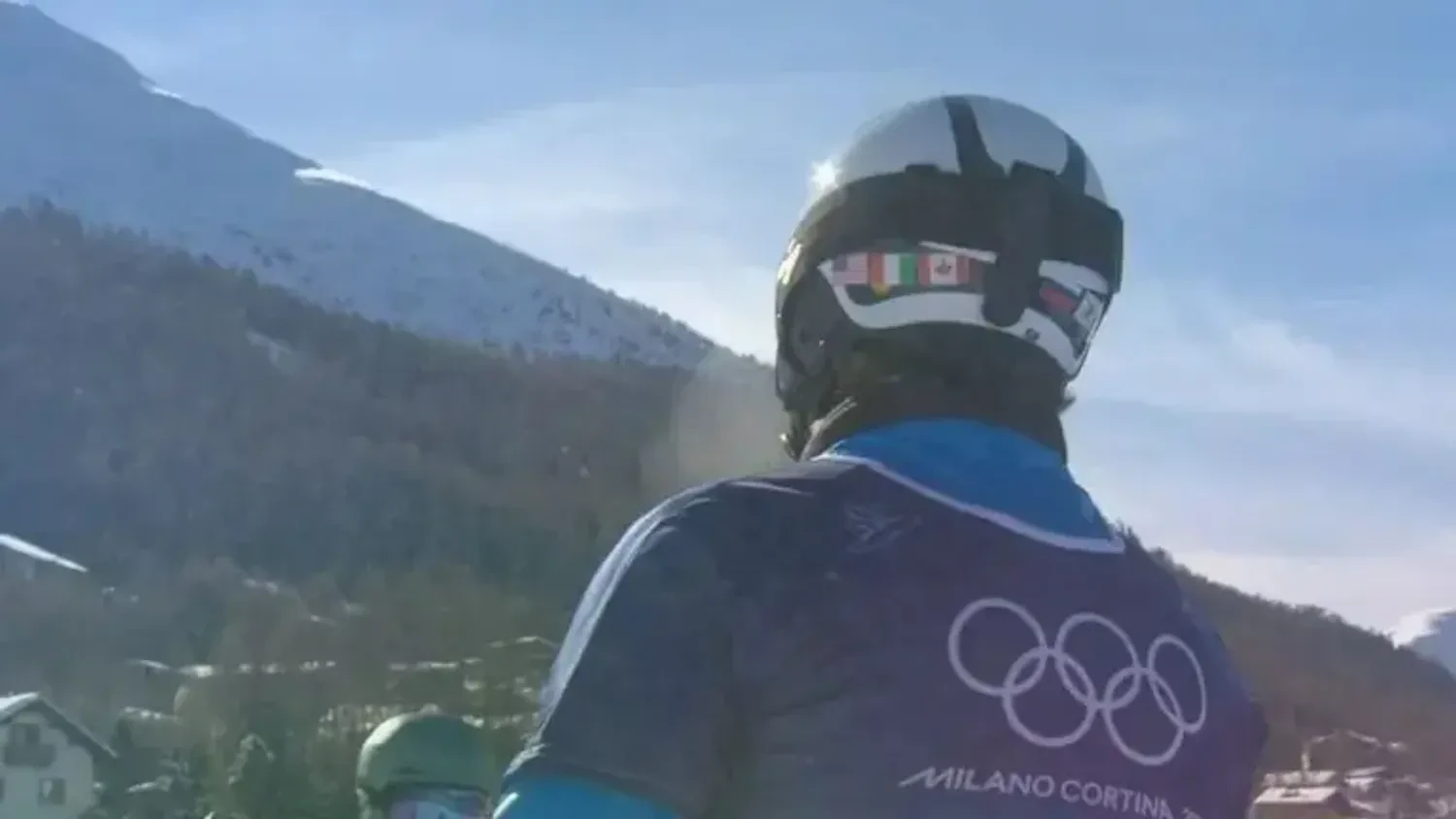
At the same time, the IOC allowed an Italian snowboarder to compete wearing a helmet with the Russian flag, which provoked outrage from the Ukrainian delegation and raised questions about the consistency of approaches to "symbolism" in the Olympic arena.
Borzov’s position: a protest is needed and rules must change
"It is important to avoid the risk of conflicts, because there could be clashes related to the placement of contentious advertisements"
— Valeriy Borzov, Ukraine's representative to the IOC, Olympic champion
Borzov emphasizes two points: first, the necessity of filing an official protest regarding the display of the Russian flag; second — the need to amend the IOC regulations to prevent similar situations in the future. According to him, the IOC's activities can involve up to 130 different kinds of conflicts, so the rules must be flexible yet consistent.
"Regarding Heraskevych we must wait for the court's decision, and as for the Italian — this is a direct breach of the rules. A protest should be filed, since the display of the Russian flag is prohibited"
— Valeriy Borzov, Ukraine's representative to the IOC, Olympic champion
What’s next and what this means for Ukraine
The CAS decision could set a precedent: it will either cement strict interpretations of the rules or emphasize the need for a clearer distinction between political symbols and acts of remembrance. The Ukrainian side has already announced an appeal — a natural mechanism to defend the athlete's rights.
For the reader, this means three concrete things: first, the outcome of the appeal will affect how easily international organizations can interpret "symbolism" during competitions; second, consistent rule enforcement is key to trust in international sport; third, Ukraine has tools for pressure — from formal protests to mobilizing diplomatic support and vigilant coverage of the case in reputable media (UNN has already published Borzov's comments).
Conclusion
This story is not just about one helmet or one athlete. It is about how international institutions draw the line between politics and remembrance in the sporting arena. Whether the IOC precedent will lead to clarified rules is not only a legal question but a moral one. The next steps fall to the courts and those who write the regulations: can they protect the right to dignified remembrance without double standards?
Sources: comment by Valeriy Borzov for UNN; official IOC statements; information about the appeal to CAS.