What happened
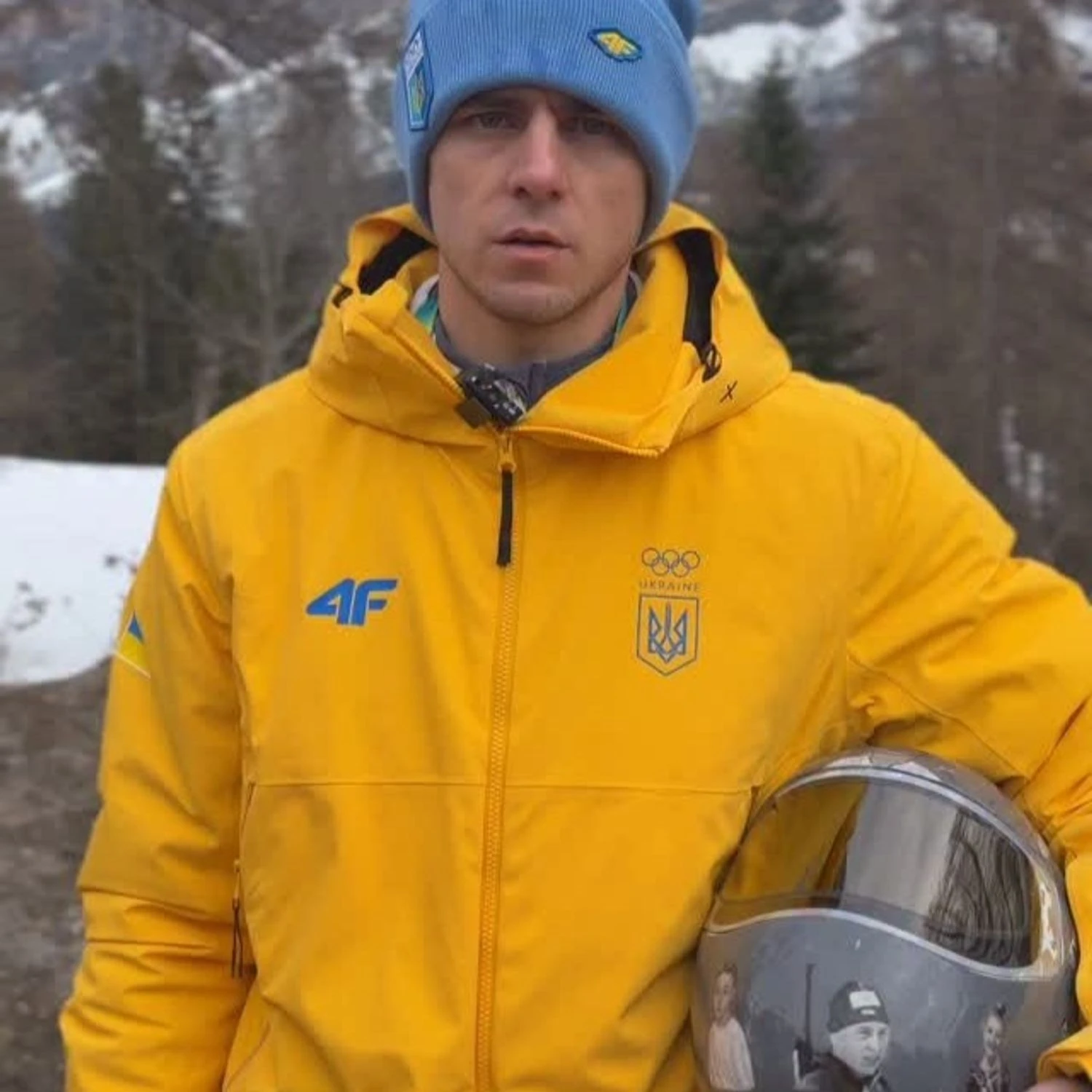
Ukrainian skeleton racer Vladyslav Heraskevych was disqualified by the IOC before his first run at the 2026 Olympics in Milan—Cortina. The official reason — a dispute over his intention to compete wearing a "memorial helmet", which, according to the organizers, could be classified as a political or socially charged message prohibited by the competition rules.
Athlete's statement
“Dear Ukrainians, thank you very much for your support. Together we are stronger. Having gone through this moment, I want to thank you and quote one wonderful person, Pavlo Petrychenko: ‘All beautiful people keep their optimism.’ Everything will be Ukraine! We will win! Fight — and you will prevail, God helps you!”
— Vladyslav Heraskevych, skeleton racer
IOC position and legal context
The IOC cites rules that restrict political expressions during the Olympics (commonly known as Rule 50). In international sport practice such rules are applied to keep the competition arena free from overt political slogans — yet these decisions often provoke public resonance when they concern commemoration of the dead or national memory.
Why an appeal to CAS
Heraskevych has already said he will appeal to the Court of Arbitration for Sport (CAS). This is a standard procedure that moves the discussion from an emotional plane to a legal one: the CAS will assess not only the technical criteria for applying the rules, but also the proportionality and motivation of the sanction. For Ukrainian sport, the outcome of such a case could define the boundaries within which athletes may publicly commemorate the fallen.
What this means for Ukraine
The situation goes beyond a single athlete: it is a question of symbolism, international norms and the right to commemorate. For public support and morale it is important that the athlete addressed Ukrainians and that the case will go to arbitration — this gives a chance to secure a reasoned ruling that could serve as guidance for other athletes.
Source: UNN report on Heraskevych's statement; IOC official rules and CAS practice as context for appeals.
Brief outlook
An appeal at the CAS may take several weeks or months. For now, it is important to stick to the facts: the athlete has the right to legal protection, and public attention pushes international institutions to provide more thorough justification for decisions. Whether this becomes a precedent depends on the parties' arguments and the arbitral interpretation of the rules.
The remaining question: can international sport find a balance between the neutrality of the arena and the right to honour human memory — and what will that mean for Ukrainian athletes in the future?








