Main
Decentralization of the city's energy and heat supply is not an ideological declaration, but a tool to increase resilience. This was stated in an interview with LIGA.net by the former head of the board of Ukrenergo, Volodymyr Kudrytskyi, who emphasized that even a partial shift to local sources and cogeneration could have softened the consequences of this harsh winter for Kyiv residents.
Kudrytskyi's position
"Kyiv's infrastructure was designed during Soviet times, but that does not mean it cannot be at least partially decentralized... Decentralization would have greatly helped Kyiv during the difficult winter of 2025–26."
— Volodymyr Kudrytskyi, former head of the board of Ukrenergo
Context: what happened this winter
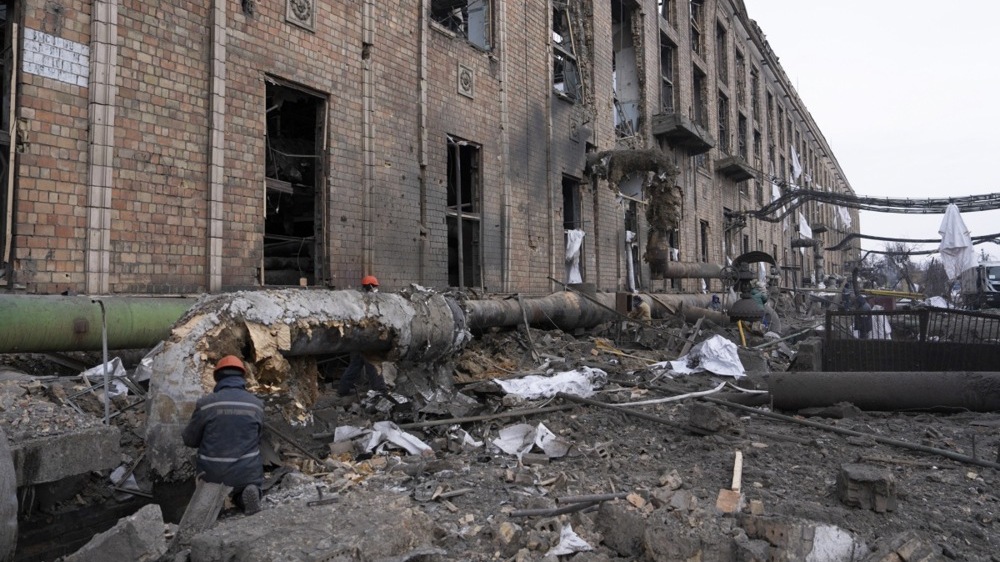
Since January 14, Ukraine has been facing an emergency situation in the energy sector due to heavy shelling and a drop in temperatures. In Kyiv, a number of key facilities were hit: after a strike on January 24, CHP-6 ceased operations, and on February 3 Darnytska CHP-4 sustained critical damage — according to the mayor, its repair will take at least two months, and it previously supplied heat to over 1,100 buildings in the Darnytskyi and Dniprovskyi districts.
Why decentralization works
Local generation — mini boiler plants, cogeneration, microgrid networks — reduces dependence on a single large node. If one CHP goes down, other local sources can support residential areas and critical infrastructure.
Flexibility and speed of recovery: small facilities are simpler to install and repair; they are easier to protect or restore after a strike than large combined heat and power plants.
Economic and social framework: investments in decentralization are not only about engineering, but about lower risks of outages for citizens and businesses, and therefore reduced additional costs for emergency measures.
Practical constraints and realities
Kudrytskyi acknowledges that Kyiv's network was designed to Soviet standards, but stresses: this is not an argument to abandon reforms. It's not about instant transformation, but about a phased program — for example, prioritizing certain neighborhoods, social institutions, hospitals and critical infrastructure.
What this means for Kyiv residents and authorities
The decision now is both technical and political. For Kyiv residents the key question is whether there will be investments and projects that deliver visible results in the coming seasons. For the authorities — whether they can shift attention from one-off solutions to systemic changes that will strengthen the city's energy security.
Conclusion
This winter is a test of the capital's ability to adapt. Partial decentralization will not remove all risks, but it provides a real mechanism to mitigate the effects of shelling and increase the chances of stable heating for residents. The task now for local and central authorities is to turn the diagnosis into projects and funding, not into excuses.







