Decision and source
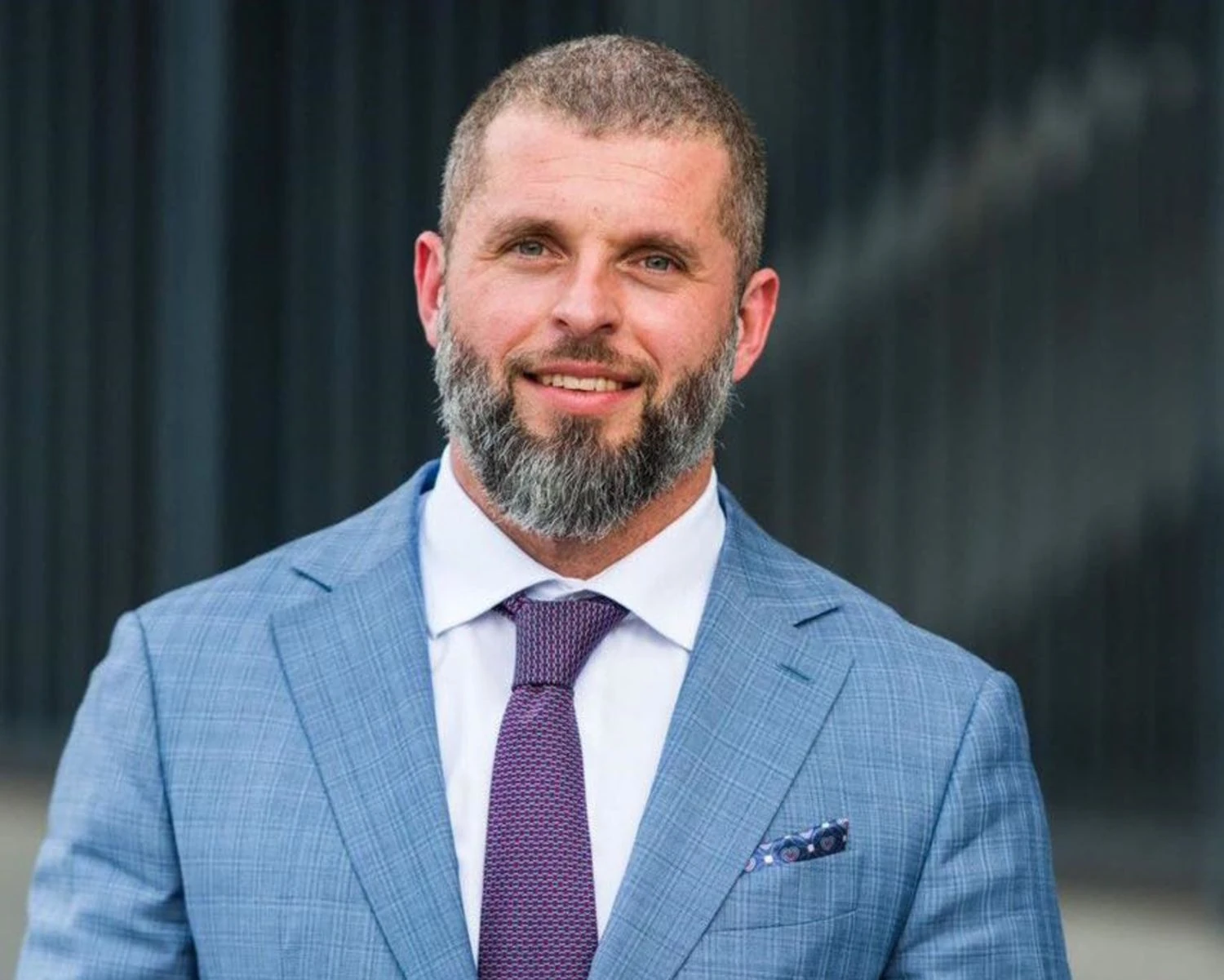
Minister of Youth and Sports Matvii Bidnyi reported on his Facebook that Ukrainian officials will not attend the Paralympic Games and will not take part in the opening ceremony or other official events. This was reported by UNN, which relays the minister’s official statement.
“In response to the outrageous decision by the organizers of the Paralympic Games to allow Russians and Belarusians to compete under their national flags, Ukrainian officials will not go to the Paralympic Games”
— Matvii Bidnyi, Minister of Youth and Sports of Ukraine
According to the minister, Ukraine will also not be present at other official events. Bidnyi thanked representatives of the governments of the “free world,” who, he said, also plan to ignore these events.
Context: why this happened
The decision was prompted by the organizers allowing athletes from Russia and Belarus to compete under their national flags. Earlier, Ukraine had called on the International Paralympic Committee (IPC) not to give Russia and Belarus a public platform — this was part of Kyiv’s diplomatic appeals and public stance.
This step by the government is not only an emotional reaction: it is an attempt to create political and reputational pressure on the organizers and draw partners’ attention to the issue of legitimizing the aggressor state at international sporting venues.
What this means in practice
In the short term, it is a signal of solidarity with Ukrainian para-athletes and a political response to the IPC. In the medium term — a test of whether international institutions are ready to consider the ethical and security demands of countries that have suffered from aggression.
There is a risk that the diplomatic boycott will primarily affect official delegations and not directly impact the athletes themselves, but reputational costs for the organizers and additional pressure from partners could contribute to a review of the decisions or at least their public discussion.
“We continue the fight!”
— Matvii Bidnyi, Minister of Youth and Sports of Ukraine
Conclusion
This decision is a tool of diplomatic pressure: now the question is for partners and the IPC — will they turn statements into concrete action. For Ukraine, not only the emotional truth is important, but also the ability to achieve systemic changes in approaches to international sport during aggression.







