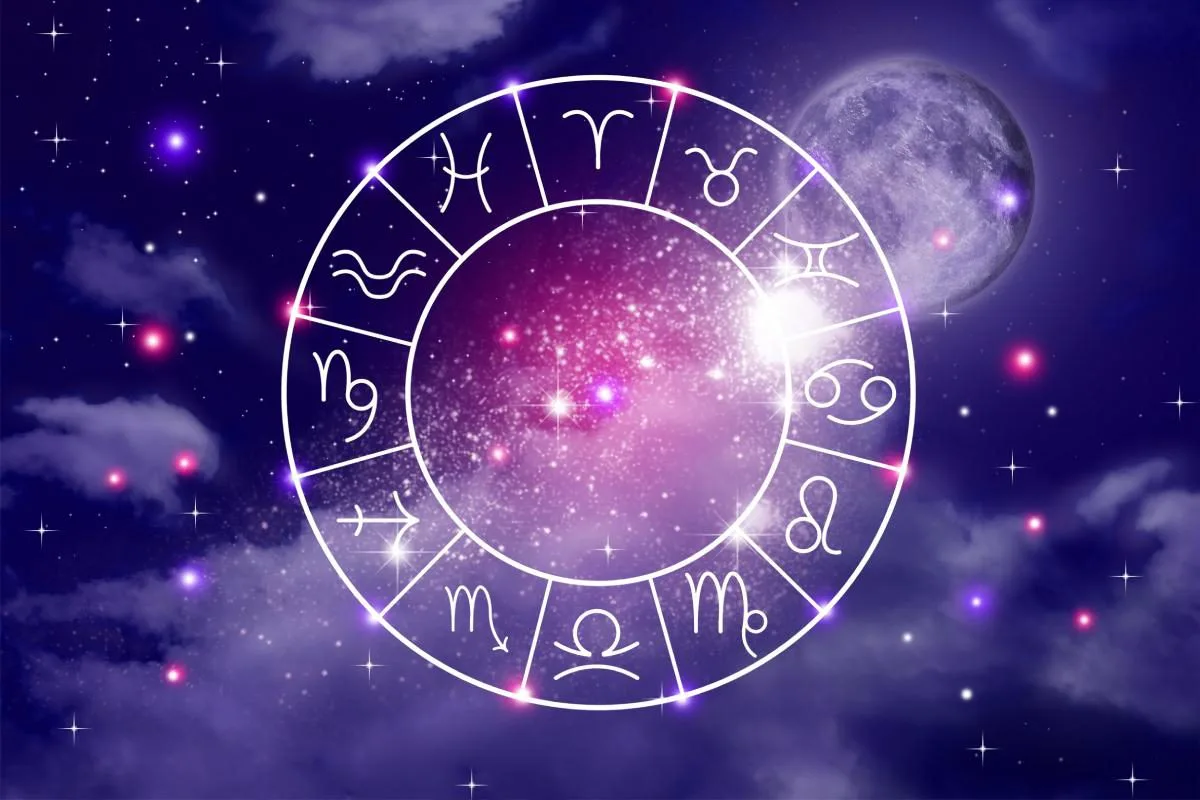
Astrologer Kseniia Bazylenko published another weekly forecast — this time for August 3-9, 2026. According to her, this is a "window of opportunities" before the eclipse season: solar on August 12, lunar on August 28. The advice is simple — complete unfinished matters, settle important agreements, don't postpone plans. A universal recommendation that would fit any week of any year.
What's more interesting is that the forecast extends to geopolitics. According to the astrologer, on August 3-4, "Mars forms a difficult aspect to the country's natal Mars," so it's worth following air raid alarm rules. And on August 8-9, "a favorable Mars-Ukraine's natal Venus interaction activates" — and precisely then, she says, one should expect financial assistance, new weapons agreements, and strengthened partner support.
Does a country have a "natal chart"?
The idea of a state's horoscope is based on the date of independence proclamation — August 24, 1991. From that moment, astrologers construct the "personality" of a country the same way as for a person based on their birth date. The problem is that no methodology explains why exactly this date, rather than the date of Constitution adoption, the date of first elections, or any other date, is the "true birth" of a state.
The practical usefulness of such a forecast for the reader is zero: it doesn't say when help will come, from whom, or in what amount. Instead, it creates a vague sense that "something good is coming," which always comes true because the formulations are flexible enough for any news about partner support.
The support theme can become especially noticeable on August 8-9, when a favorable Mars-Ukraine's natal Venus interaction activates. Financial and material assistance, new agreements, technologies, equipment and resources, including for defense purposes, may come to the forefront
Why such texts are read
Weekly horoscopes are a consistently popular media genre, and the reason isn't trust in planetary positions. Psychologists have long described the "Barnum effect" — the tendency to perceive vague, universal formulations as personally relevant. Phrases like "an important conversation with management may arise" or "review your financial agreements" apply to practically every reader in any week of the year.
The advice to "complete unfinished matters and not postpone plans" works not because planets are positioned that way, but because it's sensible advice for any Monday. The same applies to the recommendation "don't make decisions on August 5 and 9 under emotional influence" — hardly anyone would recommend the opposite.
What to take that's practical
If you disregard the astrological framework, the text contains one useful structure: a clear division of the week into "productive" and "emotionally difficult" days. Regardless of whether you believe in lunar aspects, scheduling important negotiations at the beginning of the week rather than Friday evening is a practice confirmed by ordinary experience, not astrology.
A simple question for the future: will a verification of this forecast appear after August 9 — concrete data about new military or financial assistance to Ukraine exactly on the stated dates? If not, the forecast will remain as "fulfilled" as always — thanks to formulations that cannot be refuted.