In brief — what happened
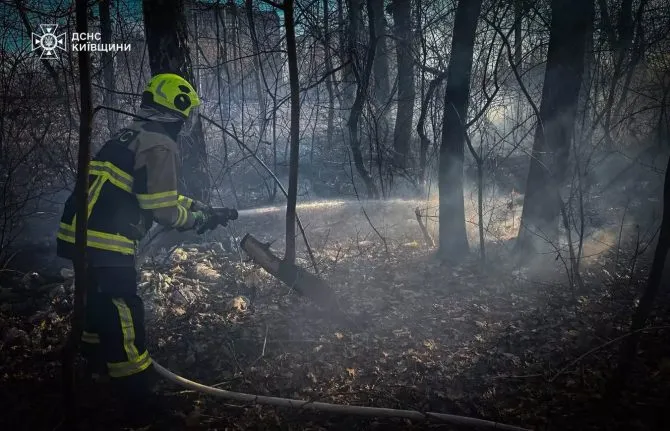
The Bucha District Department of the State Emergency Service reports that with the onset of warm, dry weather the number of fires in dry vegetation has increased. Just during the past 24 hours SES units were dispatched several times to extinguish fires in Bila Tserkva, Brovary and Bucha districts.
In the settlement of Stavyshche (Bila Tserkva District) a dry grass fire was recorded on an open area of almost 0.003 ha. Another ignition occurred in the settlement of Kalyta (Brovary District); thanks to prompt response the fire did not spread to adjacent areas.
Why this matters
In warm, dry weather dry vegetation becomes highly flammable: a gust of wind or a discarded cigarette butt can cause fire to spread hundreds of meters in minutes. Besides the direct damage to fields and gardens, such ignitions divert rescuers’ resources that may be urgently needed to protect populated areas or infrastructure.
Experts — rescuers and local community officials — note that most often the cause of these fires is linked to human activity: stubble burning, a discarded cigarette butt, or careless lighting of a fire while recreating.
Even a small ignition can quickly turn into a large-scale fire. We urge citizens not to burn dry grass and to report fires by calling 101.
— Bucha District Department of the State Emergency Service
What to do — simple and effective steps
Do not burn dry vegetation. If you need to clear a plot, do it mechanically or coordinate measures with local authorities and rescuers.
Be careful with fire outdoors: extinguish cigarette butts, do not leave fires unattended, keep water or sand at hand, and create cleared (mineralized) strips around work or recreation areas.
Report — call 101. A quick report greatly increases the chances of an effective response and prevents the spread of fire.
Conclusion
Fires of dry vegetation are a seasonal but controllable threat. Whether our village remains safe or whether rescue brigades must be diverted from other important tasks depends on each individual’s choices. This is a matter of community safety and resource readiness — small efforts today will save fields and homes tomorrow.