Circumstances
In December 2022 an 8-year-old girl was brought to the admissions department of a Kyiv hospital with signs of acute respiratory failure. According to the Kyiv City Prosecutor's Office, the child was not fully examined, a correct diagnosis was not established, and timely treatment was not started, although there were clinical signs of bilateral pneumonia.
What the prosecutor's office reports
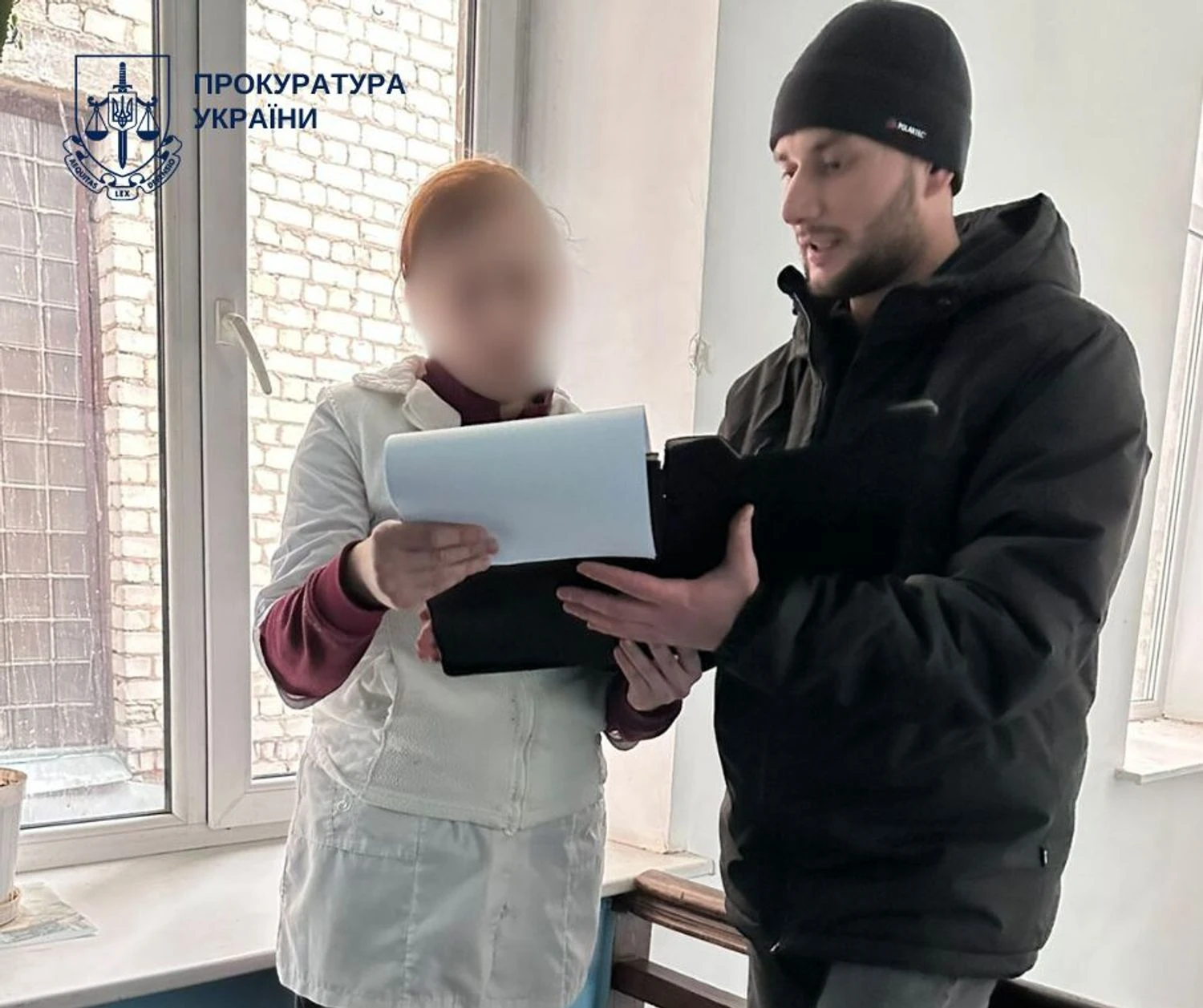
"A 39-year-old pediatrician of the admissions department of one of the capital's hospitals has been notified of suspicion of improper performance of professional duties that caused the death of an 8-year-old girl"
— Kyiv City Prosecutor's Office
According to the investigation, the doctor did not begin antibacterial and intensive therapy and did not take urgent measures to transfer the child to intensive care, which, according to the prosecutor's office, "deprived the child of real chances of survival".
Medical findings
"The child's death resulted from multiple organ failure caused by viral-bacterial sepsis, the source of which was bilateral severe purulent pneumonia with complications"
— forensic medical examination
The actions of the medical worker have been qualified under Part 2 of Article 140 of the Criminal Code of Ukraine (improper performance of professional duties by a medical worker that caused death). The suspect is currently working in a hospital in another city.
Consequences for the system and patients
This case raises several issues at once: standards for admissions departments, algorithms for early diagnosis of serious infections in children, and mechanisms of medical accountability. For parents and patients the key is trust in prompt and competent care. For the system it is a signal of the need for audits, additional staff training, and a clear algorithm for transferring patients to intensive care.
What happens next
The case will be sent to court — the outcome of the proceedings will have practical significance: from criminal liability of an individual doctor to potential changes in treatment and admission protocols. The expert community notes that such investigations can become an impetus for systemic reforms if doctors, hospital administrations, and state regulators get involved.
The question that remains open: will these facts turn into concrete steps to improve the safety of young patients, or will they remain isolated tragedies? The answer depends not only on the court verdict but also on the system's determination to correct mistakes.