Briefly
The Office of the Prosecutor General, according to UNN, secured a disciplinary sanction against one of the lawyers in the high‑profile case concerning the death of 16‑year‑old Maksym Materukhin at the Kyiv funicular station. The right to practice law has been suspended for three months — a step meant not only to punish specific conduct but also to restore trust in the process.
Timeline and the prosecution's position
The crime occurred in early June 2024: former UDO (State Guard Service) officer Artem Kosov, while intoxicated, pushed the teenager at the upper station of the funicular — the boy died from the fall. In the autumn of 2025 the court found Kosov guilty and sentenced him to life imprisonment.
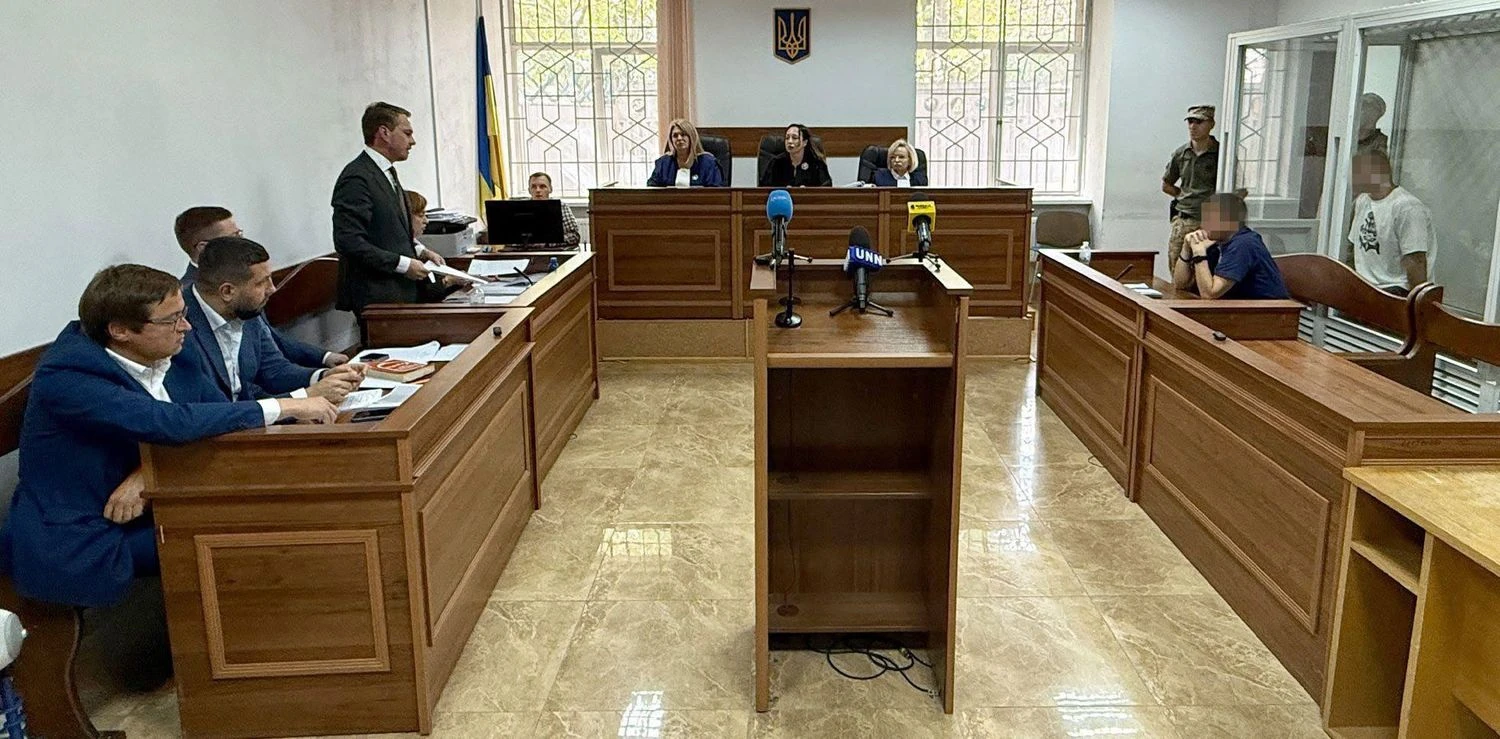
During the lengthy proceedings, courts and prosecutors repeatedly recorded facts which, in their view, bore signs of deliberate delay of the process — missed hearings without valid reasons, obstacles to the examination of evidence and to the questioning of witnesses. Because of this, in September 2025 the Office of the Prosecutor General filed a complaint with the Qualification and Disciplinary Commission of the Bar (KDCA) against one of the lawyers.
"The case received wide coverage, and during the proceedings facts of deliberate delay by defenders were recorded: hearings were disrupted, obstacles were created to examine evidence and to question witnesses. Prosecutor General Ruslan Kravchenko repeatedly drew attention to the unacceptable behavior of the lawyers"
— Office of the Prosecutor General
KDCA decision and legal precedent
On 29 December 2025 the disciplinary chamber of the KDCA of the Rivne region upheld the prosecution's complaint and applied a disciplinary sanction to the lawyer in the form of a temporary suspension of the right to practice law for three months. This decision is a rare but important tool to respond to actions that jeopardize the right to an effective judicial review.
"On 29 December 2025, by decision of the disciplinary chamber the complaint was upheld. A disciplinary sanction in the form of suspension of the right to practice law for three months was applied to the lawyer"
— Disciplinary Chamber of the KDCA of the Rivne Region
Context and consequences
First, it's a signal: the judicial and bar communities see strengthened control over procedural manipulations that harm victims' rights. Second, it is important for citizens that the prosecution and the bar's self‑governing bodies have tools capable of promptly responding to abuses. Analysts and legal experts note that a disciplinary measure by itself will not solve the systemic problem, but it creates a precedent for future practice.
Prosecutor General Ruslan Kravchenko also revived an initiative to introduce life imprisonment for especially serious crimes against children — a step that in the context of this case carries political and social resonance and strengthens the public's demands for harsher accountability.
What’s next
The KDCA decision is not only a sanction against an individual lawyer, but also a test for the system: whether it will be able to more quickly block procedural delays and protect victims' rights. The next steps should be clearer internal procedures and transparent monitoring of court proceedings, so that such cases do not recur. Now it is up to lawmakers and professional communities — whether they will turn declarations into effective mechanisms.