Discovery of the OPG153 protein
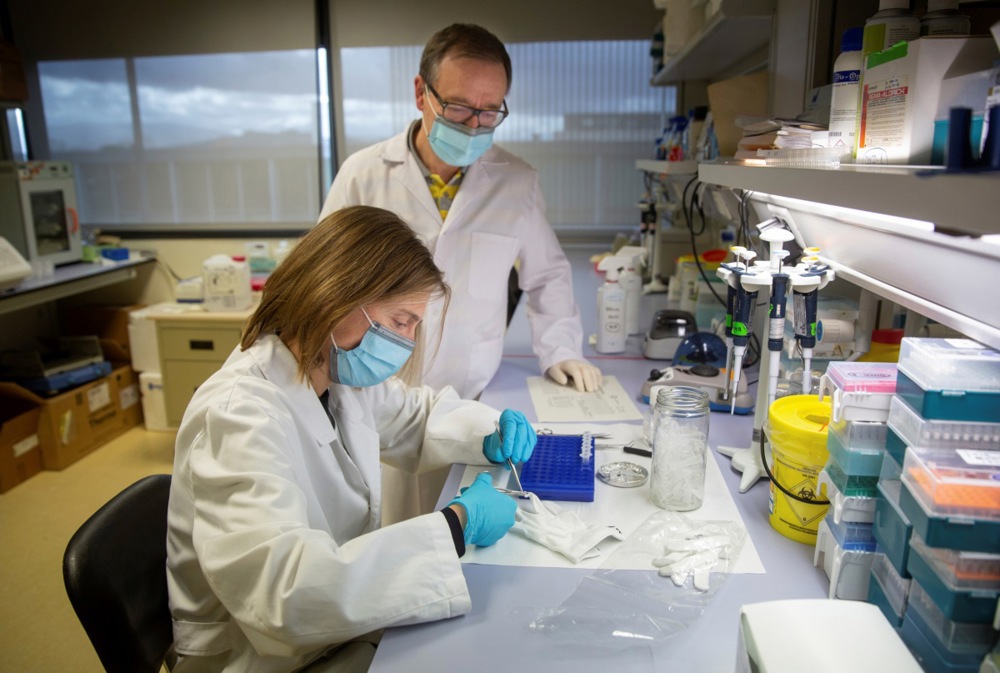
An international team of scientists used the artificial intelligence AlphaFold 3 and identified a new protein in the monkeypox (mpox) virus — OPG153. When this antigen was administered to mice, their immune systems produced strong neutralizing antibodies.
During the 2022 mpox outbreak more than 150,000 people fell ill, and smallpox vaccines were used for protection, the production of which is technically complex. The proposed approach relies on a single protein that is easier to synthesize, cheaper to manufacture and potentially safer to use.
Implications and patents
Italian researchers analyzed blood from vaccinated individuals and those who had recovered from infection and identified twelve potent antibodies. AlphaFold 3 then predicted that these antibodies most likely bind to OPG153, and laboratory experiments confirmed the protein’s role as a target of the immune response, making it a promising component for new vaccines.
The findings could form the basis for countermeasures against smallpox as well, which is still considered a potential biological threat. Research groups have already filed patent applications on the OPG153 protein and the corresponding antibodies.
Recently, the Nobel Prize in Medicine was awarded for discoveries of mechanisms of immune tolerance.







