On August 18, 2026, Sony will update the PlayStation Plus catalog for Extra and Premium tiers. Nine games will disappear from the library — with no way to access them without a separate purchase.
What's leaving and why it matters
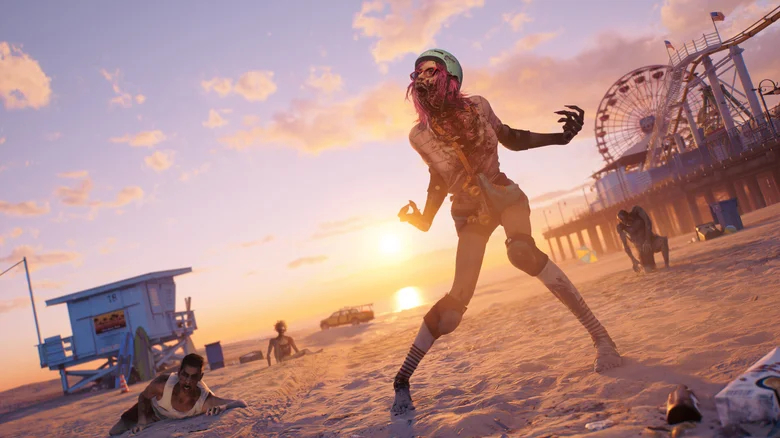
This is not routine maintenance. Dead Island 2 is one of the most discussed cooperative shooters of 2023, which arrived on PS Plus a year after its release. Unicorn Overlord by Vanillaware received 88 points on Metacritic and is considered one of the best tactical RPGs of the last decade. Harold Halibut is an indie title with 9 years of development, where every frame was filmed from handmade sets.
The complete list of titles leaving the service:
- Dead Island 2
- Unicorn Overlord
- Earth Defense Force 6
- Harold Halibut
- Bomber Crew
- Clash: Artifacts of Chaos
- Onee Chanbara Origin
- Röki
- Space Crew: Legendary Edition
«Unlike the Essential tier, where games remain with you after activation, the Extra tier removes access the moment a title leaves the catalog»
Push Square
Five games received a reprieve
Bomber Crew, Clash: Artifacts of Chaos, Onee Chanbara Origin, Röki, and Space Crew: Legendary Edition were supposed to leave the service in July, but Sony moved the date by almost a month. There was no official explanation for this decision — similar delays have happened before and typically don't repeat.
What's coming instead
Alongside the removals, Sony has already updated the catalog with July additions: Avatar: Frontiers of Pandora, Rise of the Ronin, Dying Light, Citizen Sleeper 2: Starward Vector, Firefighting Simulator: Ignite, and Mighty Morphin Power Rangers: Rita's Rewind. Some of these became available on July 21, the rest on July 28.
The August catalog has been partially confirmed: according to Game Rant, it will include Big Walk and Onimusha: Dawn of Dreams.
The mechanics worth understanding
PlayStation Plus Extra costs more than Essential precisely for catalog access — but that access is temporary. Games typically appear in the library 6–12 months after release and leave after a similar period. A subscriber who misses the dates simply loses their progress and ability to finish the game — unless they buy it separately after August 18.
If Sony continues to shorten the window between a game's release and its appearance in the catalog — which is already noticeable with some indie titles — the question becomes more pressing: will Extra remain a "try before you buy" format, or transform into a streaming library with predictable expiration dates?







