Briefly
Google announced two major updates for Google Maps: Ask Maps — a chat‑style AI tool powered by Gemini, and an updated Immersive Navigation mode with improved 3D route visualization and road-level details.
What's changed
According to Google's official blog, Ask Maps lets users pose complex questions to the app in natural language — not just "where is a cafe," but "where can I charge my phone without queues" or "where can I find a lit tennis court in the evening." The system accounts for travel time, intermediate stops, and recommendations from other users.
"Ask Maps lets users pose complex questions to the app in natural language"
— Google, official announcement
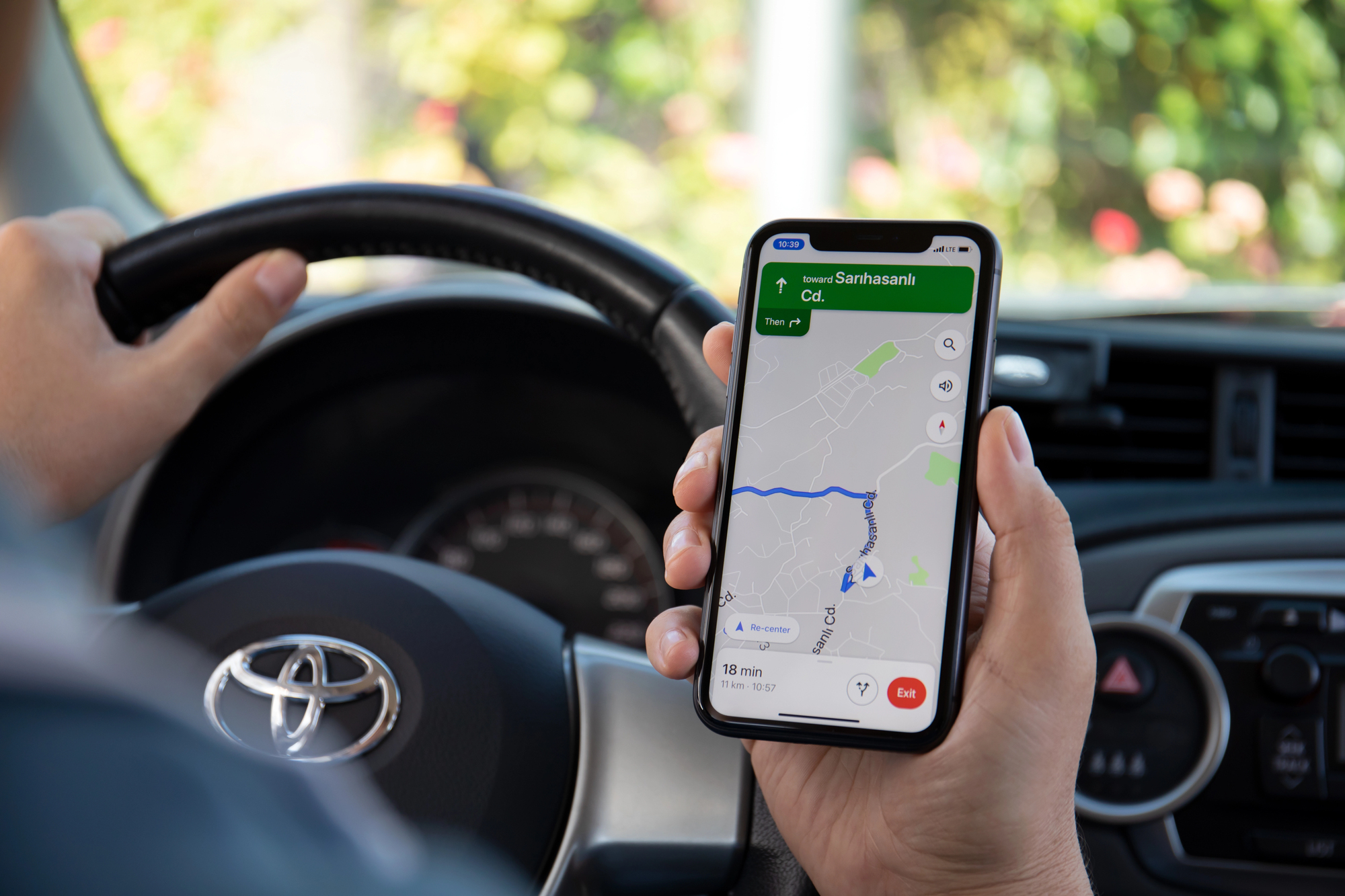
Immersive Navigation adds a three‑dimensional rendering of the route including buildings, bridges, and terrain, and also shows road-level details — lanes, crosswalks, traffic lights, and road signs. Voice control has become more natural and context‑aware.
Where and when available
Ask Maps is already being rolled out in the U.S. and India on Android and iOS; Immersive Navigation will initially appear in the U.S., and later on smartphones, in Android Auto, Apple CarPlay, and in cars with built‑in Google services.
Why it matters
First, it shifts the focus from static maps to a dialogue: instead of searching for single points, users get a service that helps plan a route as a sequence of decisions. Second, 3D road details reduce the risk of navigation errors and help users orient more precisely in complex urban topography.
Analysts and map‑service developers note that the combination of semantic AI and detailed visualization is changing user scenarios: from planning everyday trips to preparing complex routes with intermediate stops.
What this means for Ukraine
Even if the new features aren't yet available everywhere, they offer clear practical benefits for Ukrainians: quickly finding charging points or alternative routes, safer approaches in cities with damaged infrastructure, and more convenient planning during travel. At the same time, the key question is the localization of data and expanding coverage in regions where this is critical for mobility and safety.
Context and risks
The technologies are attractive, but important questions of privacy and data accuracy remain. For complex routes in areas with limited coverage or altered roads, users should combine digital tools with local information and verified sources.
Summary
Ask Maps and Immersive Navigation are a step toward more interactive and practical maps. For users, this means less manual searching and more contextual suggestions; for Ukraine, the potential to improve mobility and safety provided their availability and localization are expanded. The next question is how quickly these tools will become available and useful in our conditions?
Additional note: Google already allows interacting with Gemini during walking or cycling trips, and Chrome now includes the Nano Banana image generator powered by Gemini — part of the broader integration of AI into the company's services.