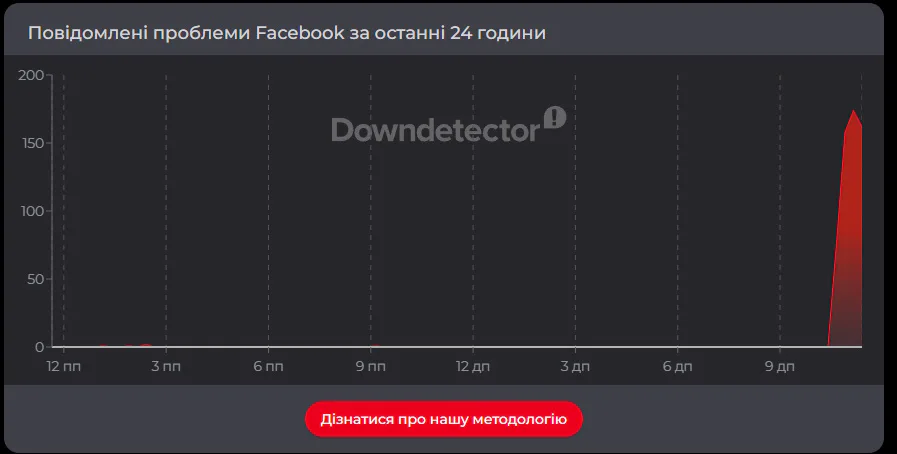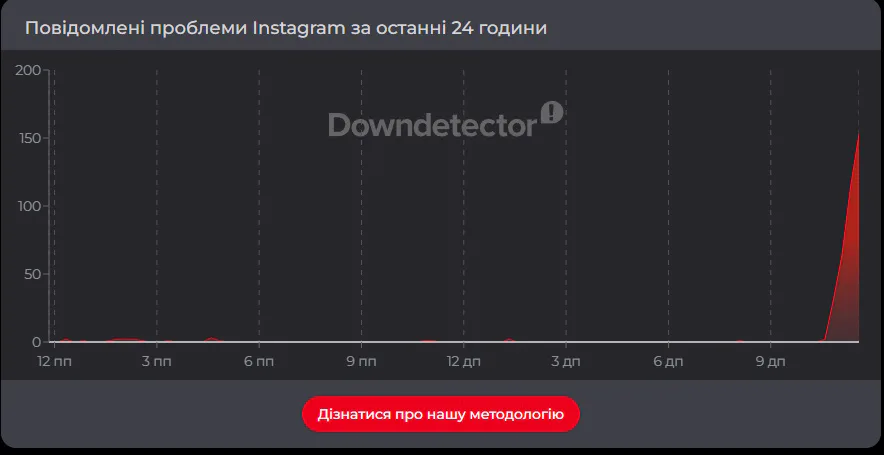
On Sunday, July 19, Meta platforms — Facebook, Instagram, Threads, WhatsApp and Messenger — went down simultaneously for millions of users worldwide. The peak of complaints on Downdetector exceeded 113,000, and that's only those who went to complain on a third-party website. The real scale is larger.
What exactly wasn't working
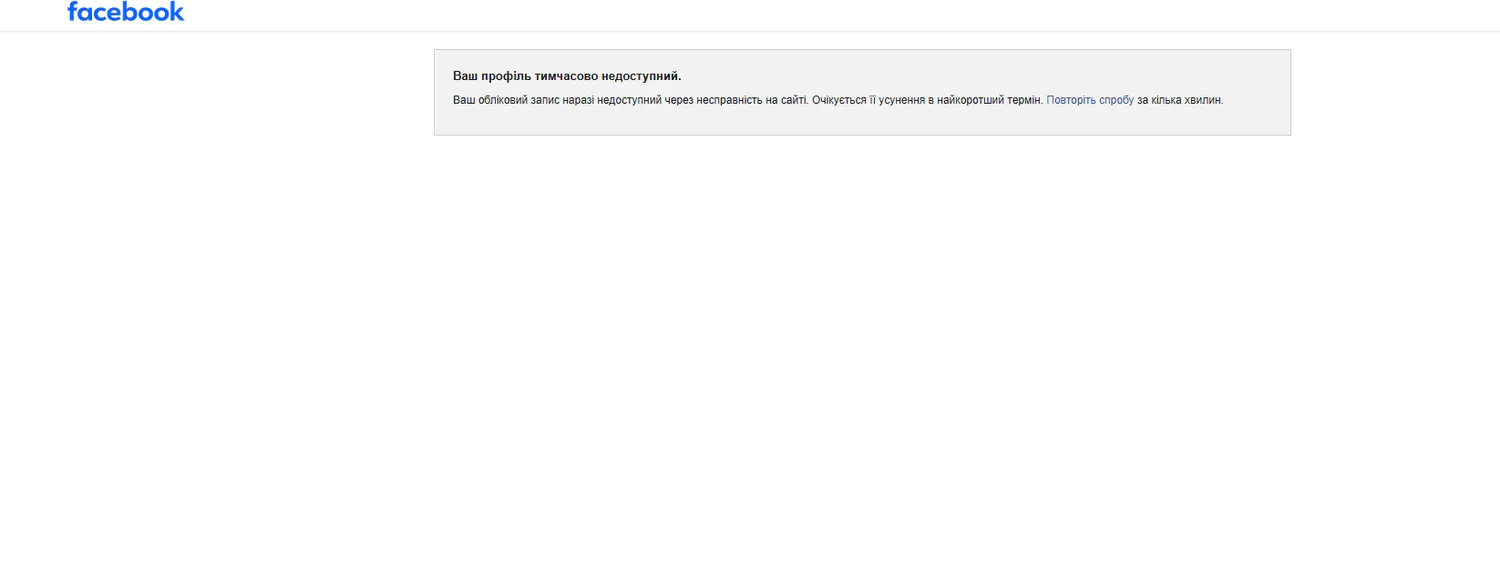
Facebook users were suddenly logged out, encountered "Query Error" or "Sorry, something went wrong" messages and couldn't log back in. Those who managed to open the app couldn't post, comment, react, search or upload Stories and Marketplace.
The outage started around 10:00 AM New York time and recovered unevenly — region by region — until noon. The problem appears to have started with WhatsApp and then spread to other services.
What Meta said — and what it didn't
Meta acknowledged the issues on its status page, noting "significant outages" and reporting that engineering teams were "actively working on resolving this as quickly as possible." They didn't name the cause — neither during the outage nor after.
"Services are returning to normal"
— Meta spokesperson Andy Stone, without any technical details
The lack of explanation is not just PR restraint. The company confirmed there were no signs of a hack or security breach. But what exactly broke in the infrastructure serving over three billion active users daily remains unknown.
Why this is more than a technical story
The outage exposed a structural vulnerability: five different products with different audiences went down simultaneously because they rely on shared infrastructure. When Meta goes down — communication for small businesses stops, volunteer coordination falters, news sources disappear for people without alternatives.
- Facebook — over 130,000 complaints at peak according to Downdetector
- Instagram — approximately 9,500 complaints
- WhatsApp, Messenger, Threads — outages also recorded
Meta's stock fell 0.5% that day, adding to a year-long decline of around 14%. The market reacted — but moderately, because recovery took several hours, not days.
The real question isn't why it went down this time. If Meta doesn't publish a technical post-mortem with specific causes — is there reason to believe the next outage can be prevented?