What happened
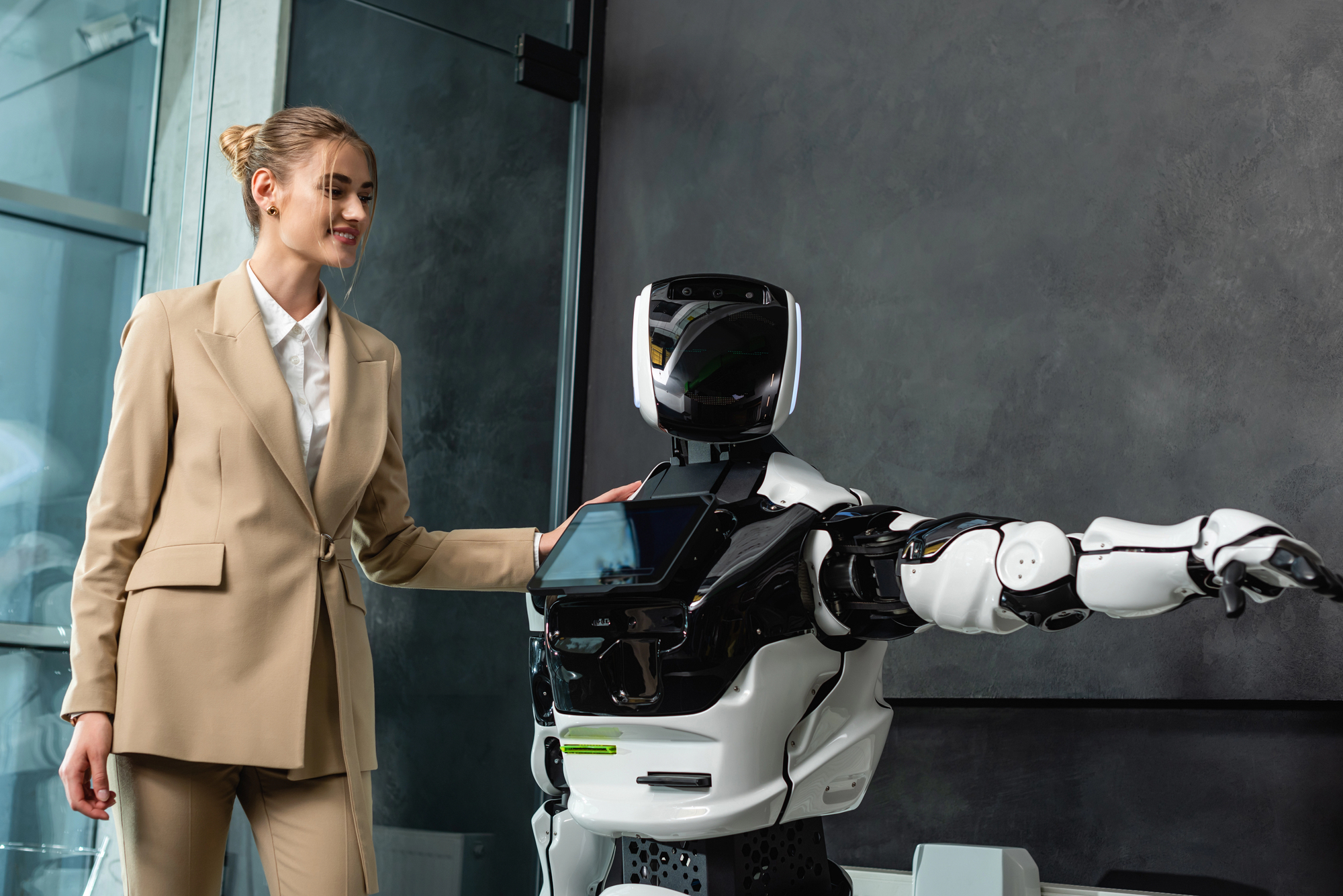
According to Interesting Engineering, China is launching so‑called "robot schools" — training centers where humanoid robots repeatedly practice household and industrial tasks for later use in industry and logistics.
Robots are being trained to carry objects, fold clothes, retrieve items from shelves, iron and clean. To do this, large datasets are being collected on joint movements, force, pressure, speed, as well as visual and tactile signals. In Hubei province some 100 robots repeatedly perform typical operations. At the Leju center in Shijiazhuang a car assembly line, a "smart home" and a care environment were recreated — the systems generate up to 6 million data records per year, and the robots have mastered more than 20 functions with up to 95% accuracy.
As of the end of 2025, China has created more than 40 government data collection centers, 24 of which are already operational. At the same time, robots are being applied in industrial projects: recently robotic systems began assisting at a BMW plant in Germany, and humanoid models Phantom MK‑1 were handed over for trials, including tests in combat‑like conditions.
"This is not just lab exercises — this is the construction of large, representative datasets that make robots suitable for real operations in complex conditions,"
— Oleksandr Koval, defense technologies analyst, RazomUA
What this means for manufacturing and logistics
Large‑scale training programs accelerate the transformation of robotics from an experimental field into standard technological solutions. High accuracy and large datasets allow humanoids to be used on packing lines, in sorting, in servicing "smart homes" and in caregiving. For business this means lower costs for repetitive operations and increased productivity, but also a challenge for the labor market and safety standards.
Military and security implications for Ukraine
Technologies that begin as civilian often have dual use. The fact that Phantom MK‑1 humanoids were handed over for testing shows these systems are also being evaluated in conditions close to combat. For Ukraine this is both an opportunity and a threat: robots can ease logistical support, casualty evacuation and demining, but they also change tactics if adversaries use them in offensive operations.
Key risks include control over data, protecting systems from cyberattacks, vulnerabilities in supply chains, and moral‑legal questions about the use of autonomous systems in combat. Analysts note that countries that quickly master and protect these technologies will gain a strategic advantage in the long term.
Practical steps for Ukraine
A set of obvious and realistic actions: invest in developing national testbeds for robotics; form partnerships with allies to gain access to datasets and methodologies; strengthen cybersecurity for industrial robots; prepare personnel to maintain and integrate such systems into logistics and repair services.
This is not about chasing headline projects, but about systematic work: investment, standards, training and protection.
Conclusion
Chinese "robot schools" are accelerating the commercialization of humanoid systems — and creating both opportunities and security questions. For Ukraine, emotions are not useful; quick, measured decisions are: how to integrate beneficial technologies while reducing risks. The question now for partners and the state is how to make these technological changes work for our security and economy.