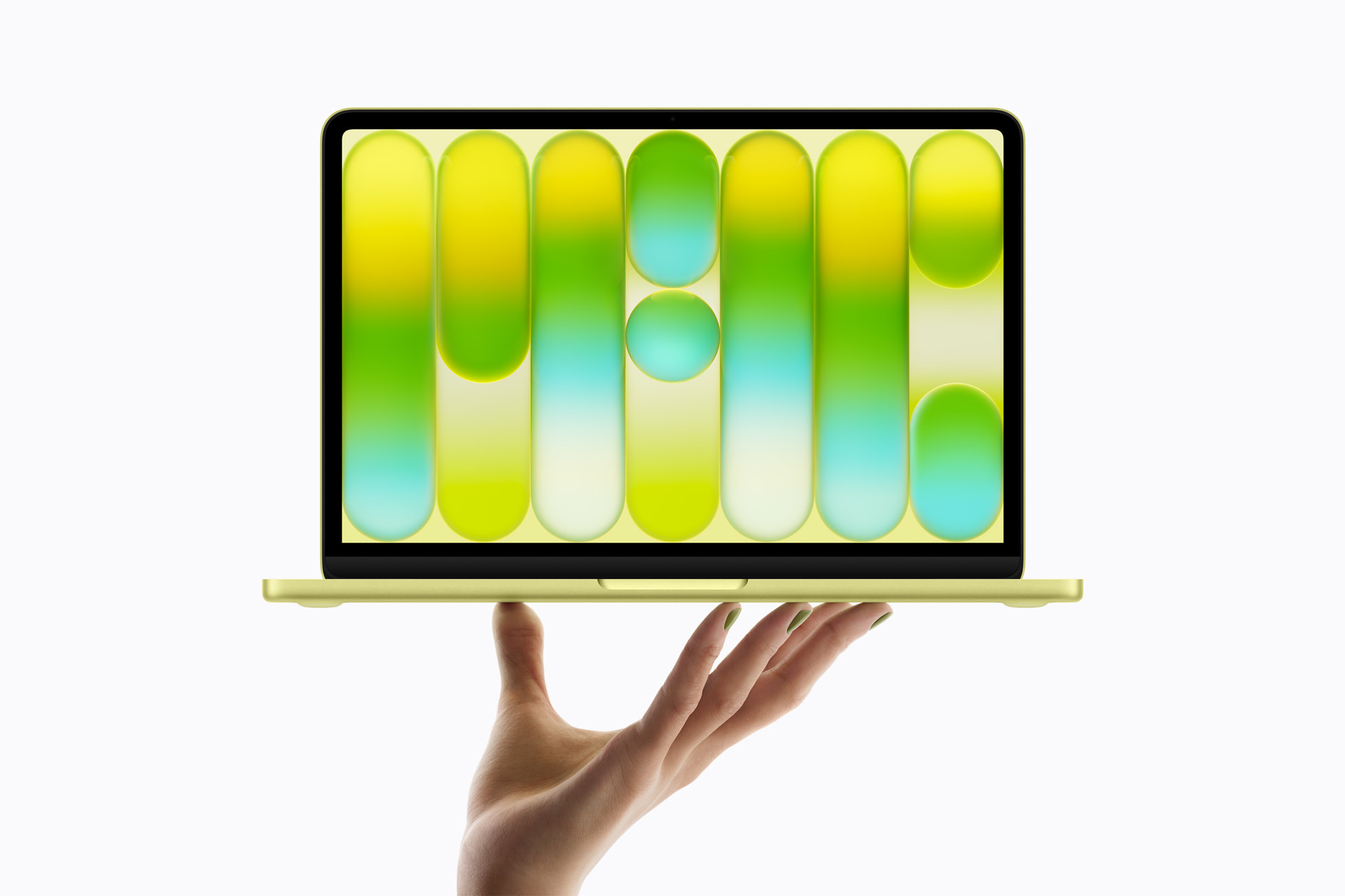
The Beginning: Why It's Worth Paying Attention
The first test results of the MacBook Neo drew attention not because of loud promises, but because of a simple number: a laptop with the Apple A18 Pro chip shows performance that almost matches the iPhone 16 Pro. For the user, this means more power in a thin body — but with important caveats to know before buying.
What the Benchmarks Show
According to the results published in the public Geekbench database, the MacBook Neo scored in tests:
"3461 points in single-core, 8668 in multi-core and 31,286 in the Metal graphics test"
— Geekbench (published results)
For comparison, the iPhone 16 Pro posts similar figures: 3445 (single-core), 8624 (multi-core) and 32,575 in Metal. In other words, in raw computational power the mobile and the laptop sit close to each other.
Why This Happened: Architecture and Compromises
The key reason is the shared chip architecture: both devices are based on the A18 Pro design. The MacBook Neo has six CPU cores and 8 GB of RAM; graphically it trails the iPhone 16 Pro slightly due to the GPU configuration (five versus six cores in the smartphone). This is a typical compromise: Apple adapts mobile solutions for a laptop, preserving energy efficiency and compactness.
Context for the Market and Users
These results underscore a trend where mobile architectures are becoming a full-fledged alternative to traditional x86 processors for many everyday and professional workloads. For Ukrainian IT specialists, journalists and mobile teams this means lighter, energy-efficient devices with high speed on tasks that rely on single-core performance and graphics.
However, it's important to remember that benchmark comparisons are just one tool. Differences in memory, thermal behavior and optimization for specific applications can change the practical user experience.
Comparison with Other Apple Models
In raw numbers the Neo looks better than many previous-generation devices: for example, the MacBook Air with M1 scores around 2346 (single-core) and 8342 (multi-core). At the same time, Neo lags behind newer models like the MacBook Air M4 or some M3-based iPads in multi-core tests — so this is not a revolution, but a logical shift within the lineup.
Implications and Conclusion
This release reinforces the convergence of mobile and laptop platforms: manufacturers are betting on energy-efficient architectures that deliver high performance in thin enclosures. For Ukrainian consumers this can mean gains in mobility and battery life, but it's important to match the configuration (especially RAM capacity and graphics capabilities) to specific tasks.
The question for the market now is: how quickly will software makers and government bodies adapt to this new reality, and will it influence procurement criteria? The answer depends on how important portability and energy efficiency are to you compared with maximum multi-core performance.