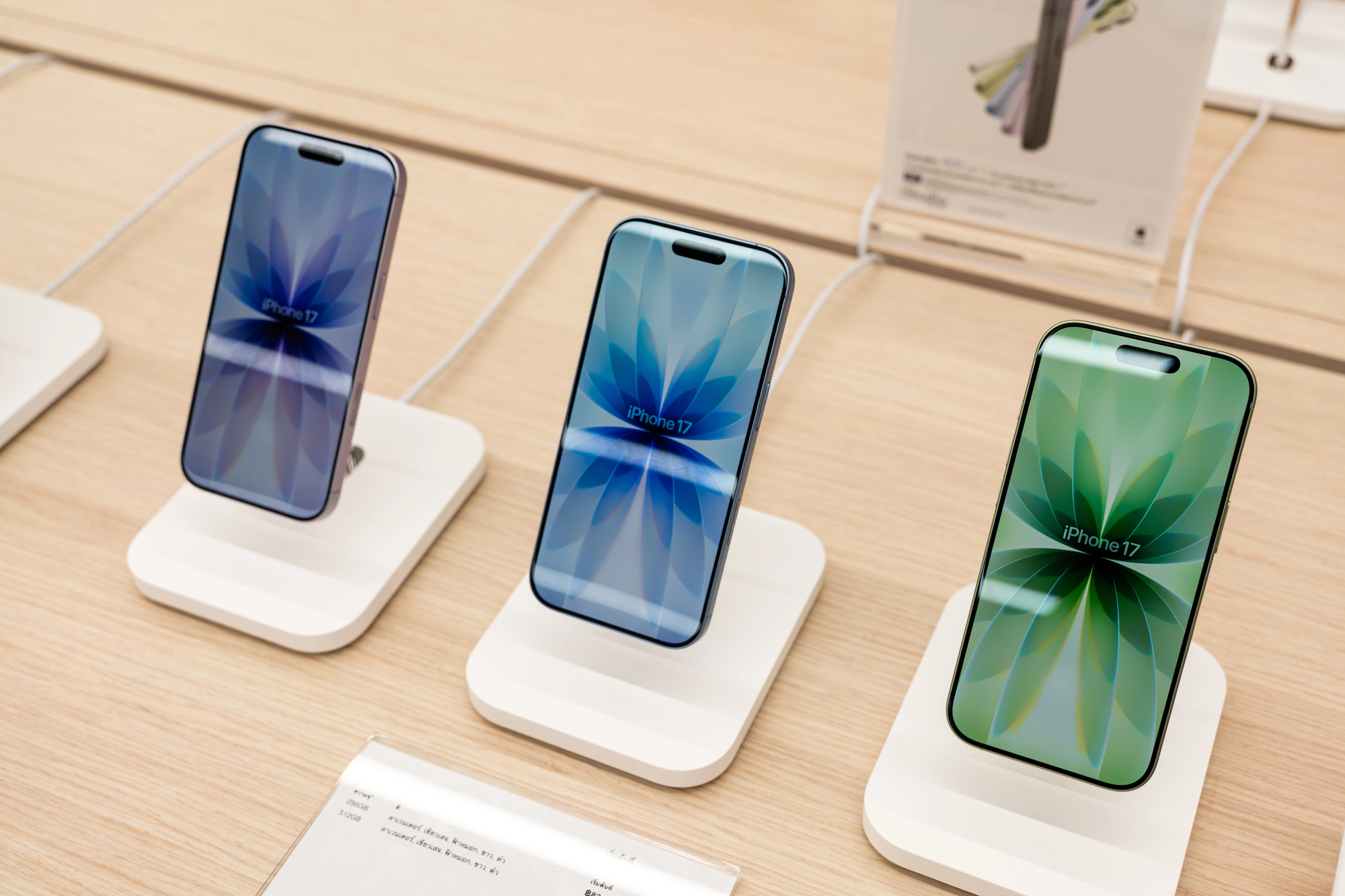
Apple has introduced a square sensor in the front camera with the launch of the iPhone 17 lineup. The new 18 MP camera with Center Stage functionality automatically keeps people in the frame, switches between portrait and landscape formats without physically rotating the phone, and expands the field of view when new people appear in the shot. According to Apple, the square sensor captures more image data than a rectangular one — this is the technical basis for all of these capabilities.
What Oppo and Huawei are testing
Chinese insider Digital Chat Station, known for accurate leaks about flagships from Chinese brands, reported that Oppo and Huawei are in parallel testing front-facing sensors with a 1:1 aspect ratio — that is, square, like the iPhone 17. The companies' approaches differ.
According to the leak, Oppo is targeting the flagship segment: a square sensor with a resolution of 100 MP could debut in the Find X10 series. Huawei, meanwhile, is considering this technology for a camera-focused mid-range — likely the Nova 16 series. As GSMArena reports, both solutions are in the testing phase, with no official confirmations from the manufacturers.
"A square sensor makes it possible to shoot vertical and horizontal video simultaneously — without rotating the phone."
Android Authority on the principle of operation of 1:1-sensors
How 100 MP differs from Apple's 18 MP
At first glance, the numbers favor Oppo. But sensor resolution and the quality of auto-framing functionality are different things. Apple built Center Stage into the hardware-software stack of the iPhone 17 and refined the tracking algorithm over several generations on iPad. Oppo will get more pixels for cropping, which theoretically will provide better detail when zooming — but tracking quality will depend on processing, not on the number of megapixels.
As AndroidHeadlines notes, high resolution is also useful for video calls and vertical content: the system can "cut out" a sharper frame from a wider picture. This is a practical advantage even without any auto-tracking.
Context: why this is happening now
The square sensor is not a new idea, but Apple was the first to implement it at scale in a smartphone with notable marketing emphasis. Traditionally, after iPhone releases a new hardware feature, Chinese manufacturers reproduce it within one to two cycles. This time, the pace appears to be accelerating: according to Android Authority, the Find X10 and Nova 16 could launch in late 2025 or early 2026.
An important caveat: availability outside China remains unconfirmed. Huawei is limited in global sales due to sanctions, Oppo operates under the OnePlus brand in some markets. How widely the technology will reach the end consumer is an open question.
If Oppo confirms a 100 MP square sensor in the Find X10 and brings the device to the international market, Android manufacturers will for the first time offer a technically superior alternative to Center Stage — but this can only be verified when the tracking algorithm undergoes real-world testing, not just leaks.