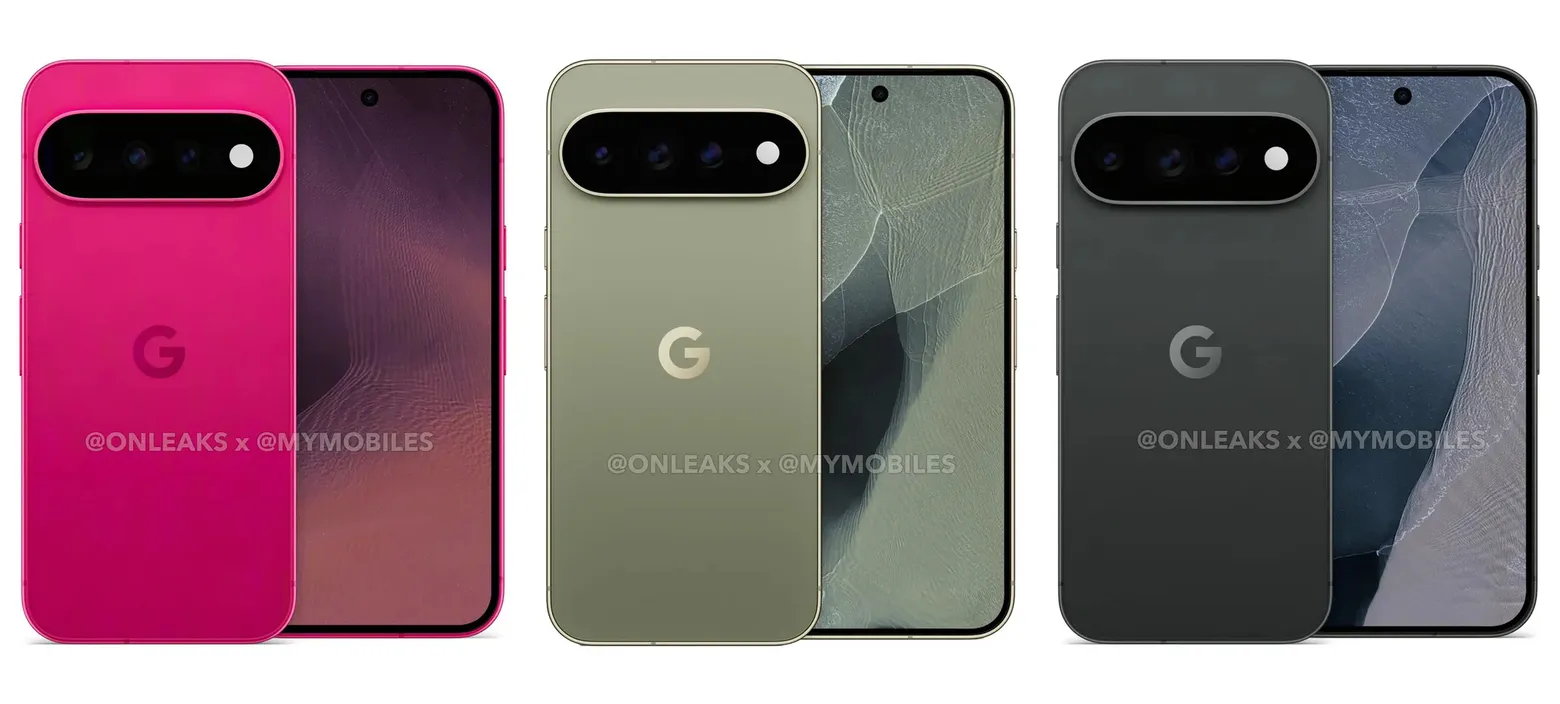
Marketing materials published by insider Evan Blass show a "30x Zoom" label on a photo of the base Pixel 11. Last year's Pixel 10 stopped at 20x Super Res Zoom. The difference looks like a hardware leap, but it's not.
According to previous leaks, the new telephoto lens will only reach Pro versions. The base model will receive the same set of lenses as before. This means all the zoom gain comes from computational photography algorithms, not optics.
Why this matters for buyers, not just engineers
Numbers in specifications usually sell cameras. But 30x on a weaker sensor and 30x on a Pro telephoto lens are two different results on screen. The former will produce more noise and artifacts at the same magnification, especially in low light or motion.
Google traditionally compensates for this with neural network processing — this is how Pixel has competed with phones that objectively have stronger optics for years. The question this time is sharper: can software handle a 1.5 times larger gap than last year without noticeable quality loss for the average user shooting kids at a playground or a concert from the back rows.
What else is changing
- The camera will analyze objects in real time through Gemini Live — essentially an integrated visual assistant, not a separate feature.
- The smartphone will use context from previous conversations to auto-generate responses in messages.
- Four colors confirmed: Midnight, Fuchsia, Moss, Sterling.
The Pixel 11 series presentation — Pixel 11, Pixel 11 Pro, Pixel 11 Pro XL, and Pixel 11 Pro Fold — is scheduled for August 12 in New York. Then it will become clear whether the base model's 30x zoom is a real photography tool or a marketing number that looks good in a press release but worse in actual shots.