Briefly
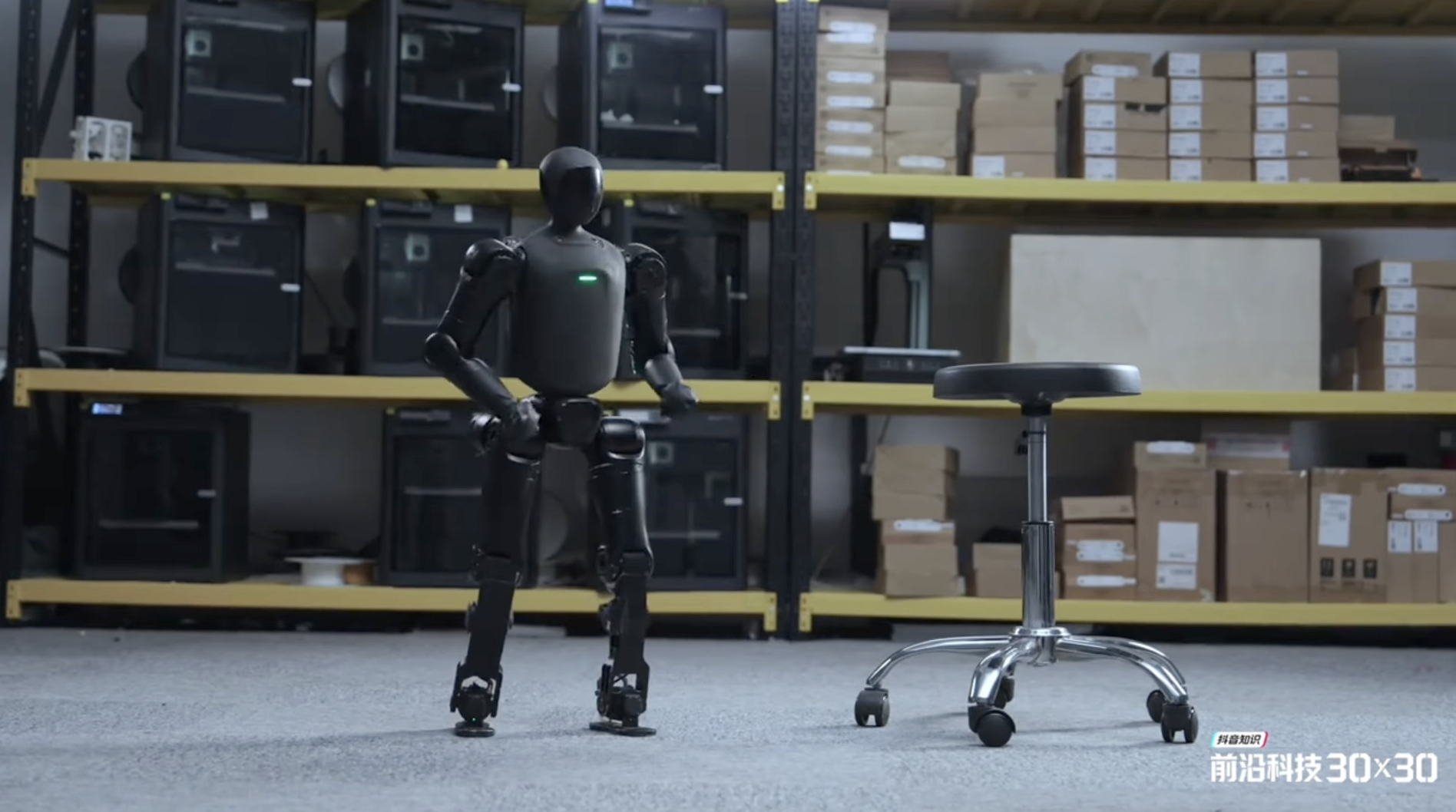
Chinese startup AgiBot unveiled the Q1 — a humanoid 80 cm tall that is several times lighter by mass than full‑size models, reports Interesting Engineering. The company positions the device as a platform for developers and students: Q1 has an open‑source SDK and HDK, supports custom 3D‑printed shells and zero‑code motion programming. AgiBot has not yet announced price or a sales start date. For comparison: AgiBot’s other humanoids (the Lingxi series) are typically priced around $14,000. AgiBot was founded in 2023 by Peng Zhihui; in December 2025 the company reported producing its 5,000th robot.
Why it matters
Small size and open software lower the barrier to entry for those building and testing robotic systems. For universities and private labs, this means the ability to run experiments in the field or across distributed teams — without the need for a large workshop or significant investment in a heavy platform.
From a security and defense perspective, such a platform can speed up prototyping of sensor modules, localization or manipulation algorithms — at the R&D stage, where speed and accessibility matter more than payload capacity. At the same time, Q1 does not replace industrial or combat robots, but it can serve as a “lab on the move” for engineers and researchers.
"A personal laboratory among humanoid robots"
— AgiBot, description of Q1
Technical features and limitations
Q1 is equipped with a full‑body force and joint control system (Quasi‑Direct Drive), which increases robustness in collisions and reduces tuning complexity during tests. Out of the box it offers voice interaction, positioning, basic educational functions (for example, teaching English) and entertainment scenarios.
However, small size and mass also mean limited payload capacity and energy autonomy: Q1 is suitable for experiments and training, but not for heavy field tasks. The key question is commercial availability and price, which will determine how quickly the platform reaches educational and research shelves.
What’s next — for Ukraine
An open SDK and support for hardware modules give Ukraine the opportunity to integrate such platforms into educational programs, private R&D centers and startups. For the defense‑technical sector, this is a chance to quickly test recognition, navigation and human‑robot collaboration algorithms in controlled conditions.
The expert community should pay attention to two things: first, verify the platform’s suitability for specific tasks; second, use the openness of the software to create local solutions that will increase technological autonomy. This is not an instant solution for the front line, but a step toward democratizing robotics tools — and the ability to move faster from idea to working prototype.
Conclusion
Q1 is an example of how compact and open platforms can broaden the space for innovation. The question now for the Ukrainian community is whether we can use such tools for education, rapid prototyping and building our own competencies in robotics?