What happened
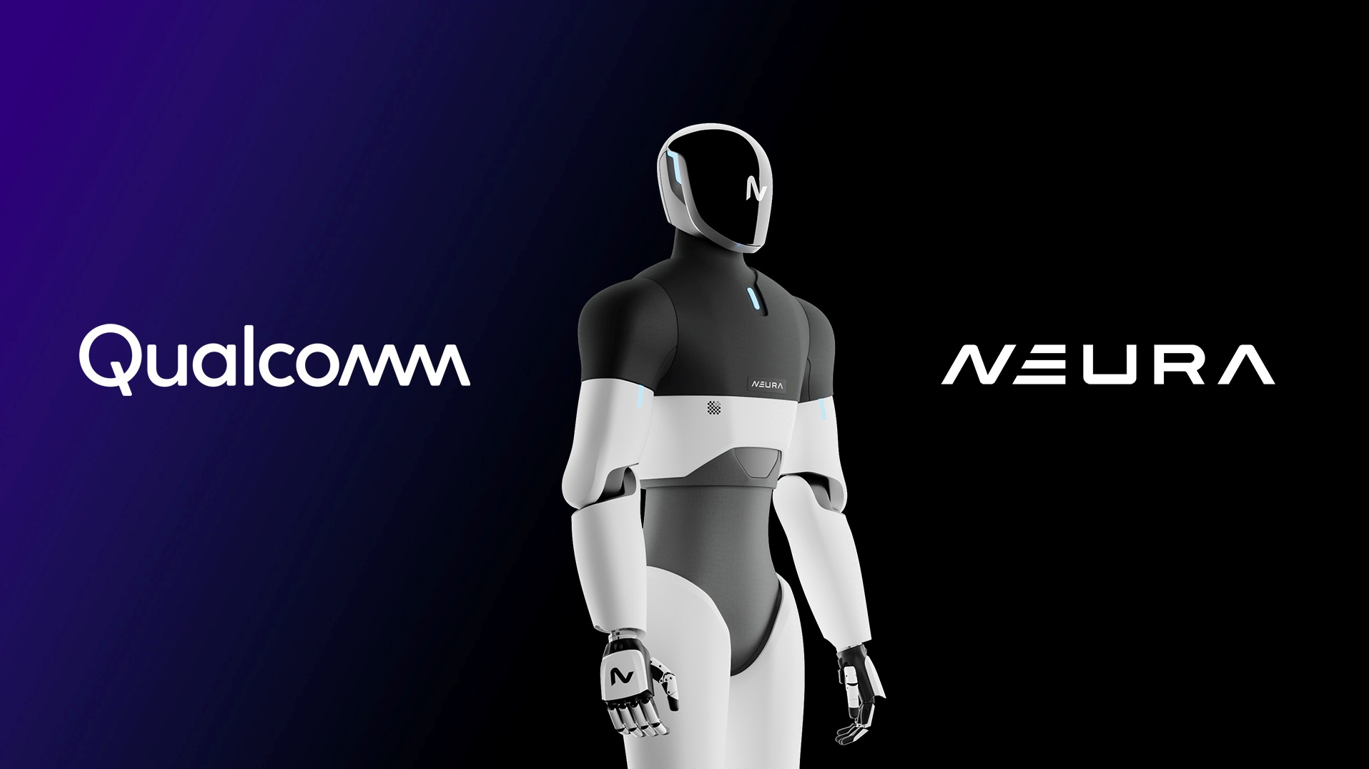
According to Qualcomm, German robotics startup Neura Robotics has partnered with the company to create a new generation of robots based on physical AI technologies. In the project, Neura Robotics will use Qualcomm’s Dragonwing Robotics IQ10 processors as a reference platform for its humanoids and autonomous mobile robots.
To train and test the robots, the company will use its own simulation platform, Neuraverse, which was introduced in June 2025. The Dragonwing processors were shown at CES 2026 and are positioned as a solution for energy-efficient autonomy in the real world.
Why it matters
Combining specialized chips and simulations speeds up the development cycle: models are validated in a virtual environment, optimized for real processors, and only then deployed into physical operation. This reduces integration risks and costs — critically important for safe operation alongside people both in industrial workshops and in domestic settings.
The industry is already seeing similar moves: in early 2026 Boston Dynamics announced a collaboration with Google DeepMind to develop the Atlas humanoid using AI models. The trend is clear — hardware platforms and training environments are merging into a single engineering ecosystem.
“This partnership should accelerate the emergence of cognitive robots capable of safely working alongside people.”
— Qualcomm, press release
“Neuraverse allows modeling robot behavior and optimizing solutions before they are deployed in the real world.”
— Neura Robotics, official statement
Implications and opportunities
In the short term — this is a boost for investors and component suppliers: production of chips, sensors, actuators and integration services will see additional demand. In the medium term — the emergence of platforms that can be scaled for industrial applications: logistics, service robots, manufacturing automation.
For Ukraine this is not just a tech story but an opportunity: engineering talent and startups can integrate into global robotics value chains and also adapt solutions to national needs — from infrastructure reconstruction to logistics in the context of regional recovery. At the same time, regulatory and ethical safety issues — pronounced alongside technical progress — must be taken into account.
Finale — what’s next?
The key question now: will these technical declarations turn into products that actually work in challenging conditions and create jobs? The answer depends on investment in manufacturing, safety standards, and the ability of local ecosystems to integrate into global supply chains.







