In brief
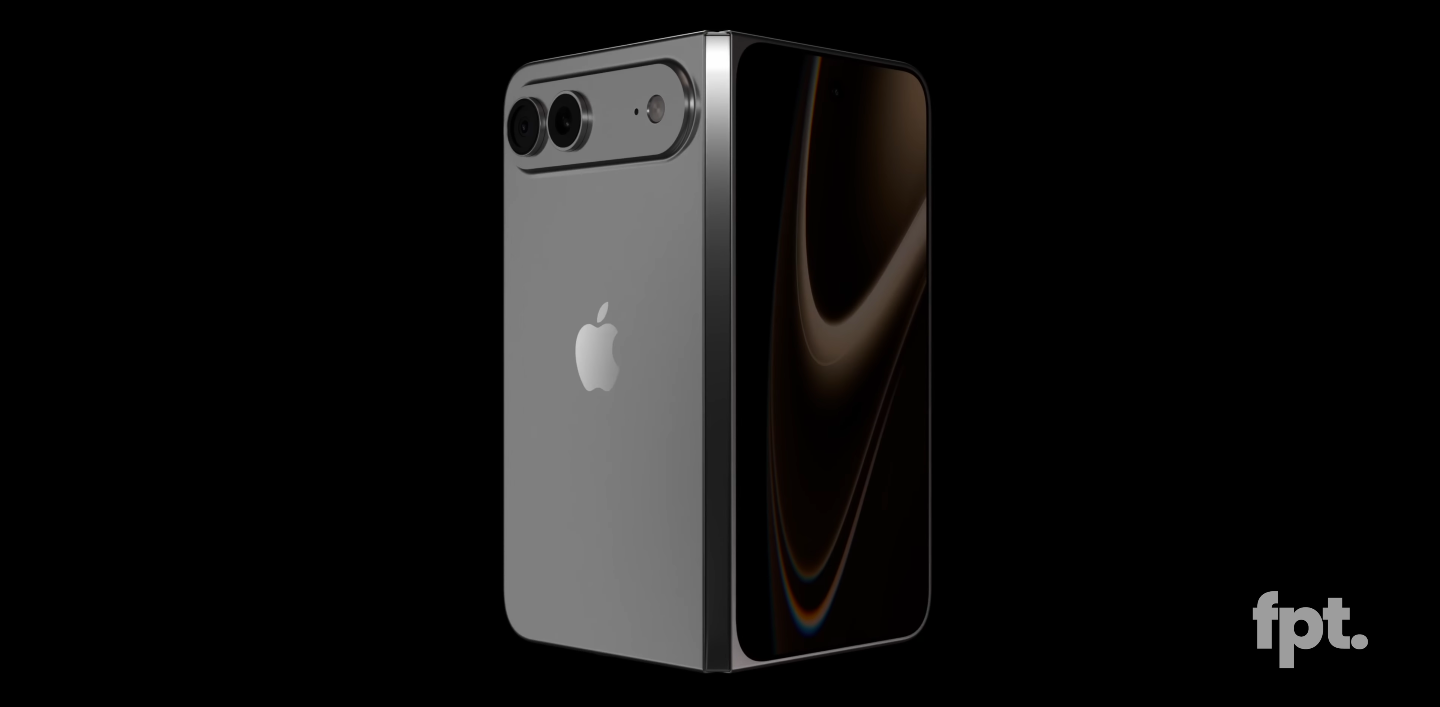
Mashable and noted insider John Prosser published a video with renders and technical details pointing to the launch of a foldable iPhone in 2026. At the same time, the beta version of iOS 26 revealed hints of ecosystem products for next year — from an AirTag 2 to a possible home robot.
What is known about the device
According to renders and insider information: when closed the thickness will be about 9 mm, when open — roughly 4.5 mm. The display is expected to be 5.5" when folded and 7.8" when unfolded. There are four cameras. The key engineering innovation mentioned by Prosser is a combined mechanism with a metal plate and liquid metal in the hinge that minimizes the visible crease on the screen.
"Apple has learned to make the crease practically invisible — this allows them to preserve a premium look and user experience."
— John Prosser, YouTuber and insider
Why it matters — quick analysis
First, for Apple this is a logical step in competition with Android manufacturers: foldable form factors are already on the market, but questions of quality and durability remain. Second, if the crease problem is truly solved technically — that removes a main argument critics use against the practicality of such devices. Third, the appearance of a large screen in a compact body changes how people consume content, work with documents, and the smartphone's role as a tablet replacement.
Consequences for users and the Ukrainian market
For Ukrainian users this means several practical things: higher price and more complex repairs due to a nonstandard hinge and materials; the need for updated service centers and spare parts; possible delays in official shipments given global supply chains. Analysts also note that if Apple introduces a new form factor, app developers and mobile carriers will quickly adapt services to the new diagonals and usage scenarios.
Sources and reliability of the information
Practical details come from the render video published by John Prosser and a Mashable article; additional hints are corroborated by strings found in the iOS 26 beta. This is not an official Apple announcement, but the combination of signals makes a 2026 release plausible. Experts point out that insider renders often reflect an early design that may change before the final release.
Conclusion
If the forecasts prove correct, 2026 could be another stage in the evolution of the smartphone — with a strong focus on design and user experience. For Ukraine this means being prepared for pricier devices and new demands on service networks. The question now for local manufacturers and importers is: how quickly and at what cost will they adapt to this new class of devices?