Why it matters
Law enforcement in Kyiv region has dismantled a months‑long scheme for illegally ferrying draft‑age men across the state border. At first glance — a criminal case about human and money smuggling. In a broader context — a vulnerability that hits mobilization capacity and trust in border control mechanisms.
What happened
"According to the investigation, the organizer of the scheme was a 40‑year‑old native of Lviv who currently resides in Kyiv Oblast"
— Kyiv Regional Prosecutor's Office
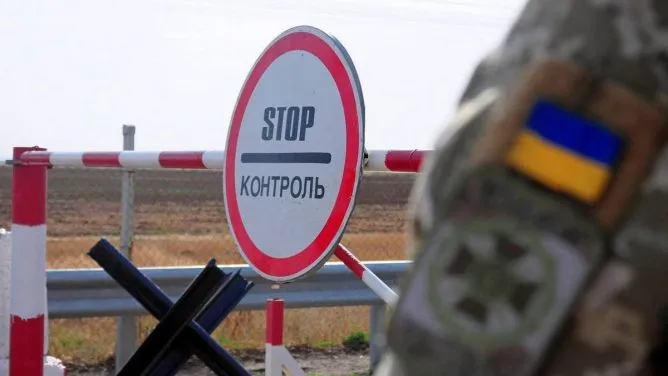
According to investigators, the organizer sought clients across Ukraine and arranged illegal border crossings outside official checkpoints — mainly along stretches of the border with EU countries in Lviv and Zakarpattia oblasts.
How the scheme worked
The service cost $10,000 per person: $3,000 was paid upfront to a crypto wallet, the remainder after a successful crossing. "Clients" were provided transport to the border area, instructions, and walking routes to bypass checkpoints. Use of cryptocurrency gave the perpetrators an additional layer of anonymity and made tracking payments more difficult.
Scale and legal consequences
Preliminary data indicate that over six months the network may have smuggled dozens of people, with a total turnover reaching about $110,000. On 13 March 2026 the suspect was detained and formally charged. The court ordered pretrial detention with the possibility of bail set at 266,240 UAH. A pretrial investigation is ongoing, and law enforcement is identifying other accomplices.
What next
This case is both criminal and systemic. It shows how a combination of a local network, technology (cryptocurrency) and vulnerable border sections can create a market for illegal "evacuation" from the draft. Analysts and law enforcement must turn declarations into practical measures: tighten control on border approaches, follow digital traces of payments, and uncover accomplices.
Will these facts serve as an argument for increased oversight of crypto transactions and for additional resources for border protection? The answer depends on how quickly the justice system brings the case to a logical conclusion and how effectively partners strengthen border infrastructure.