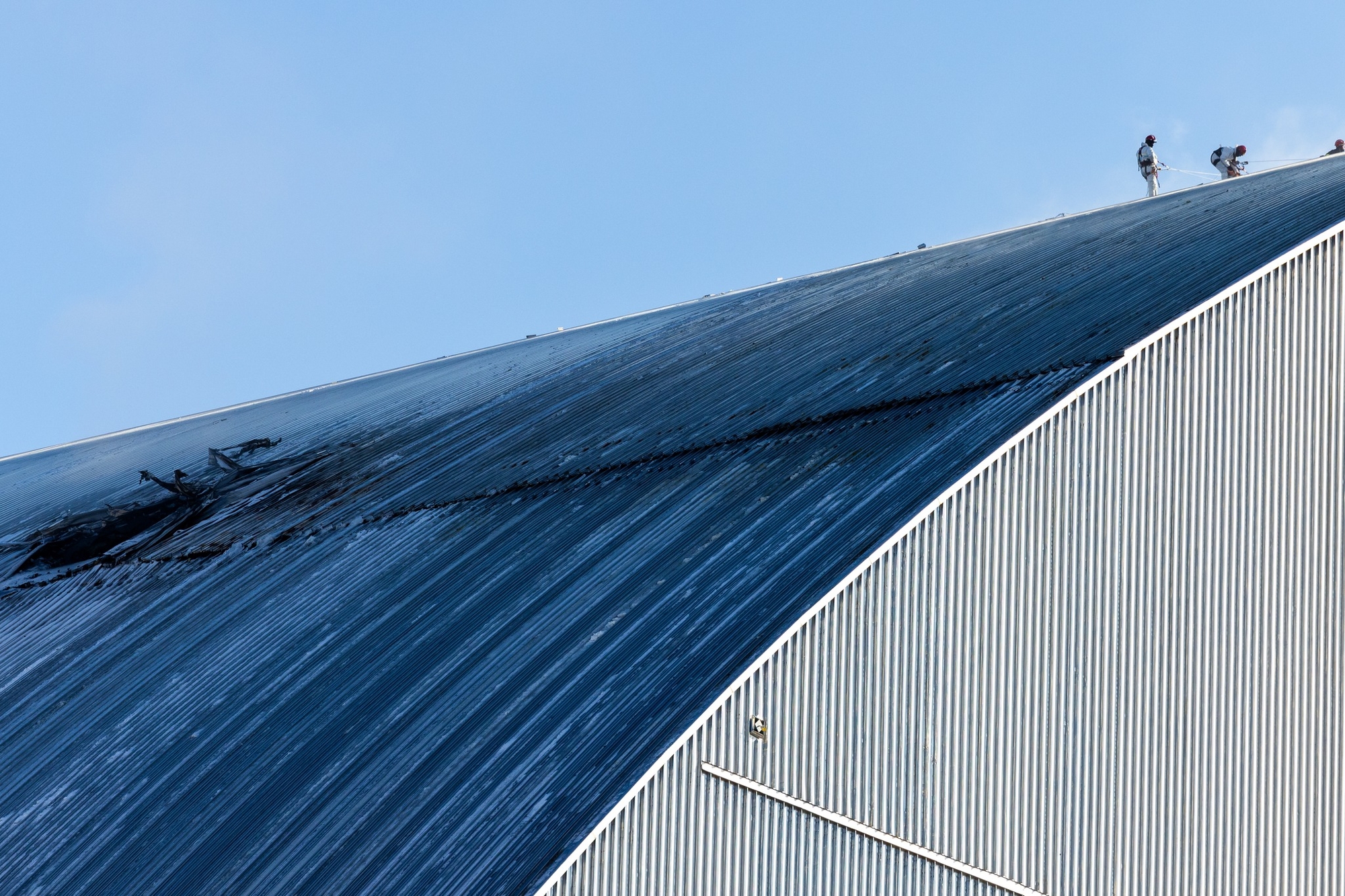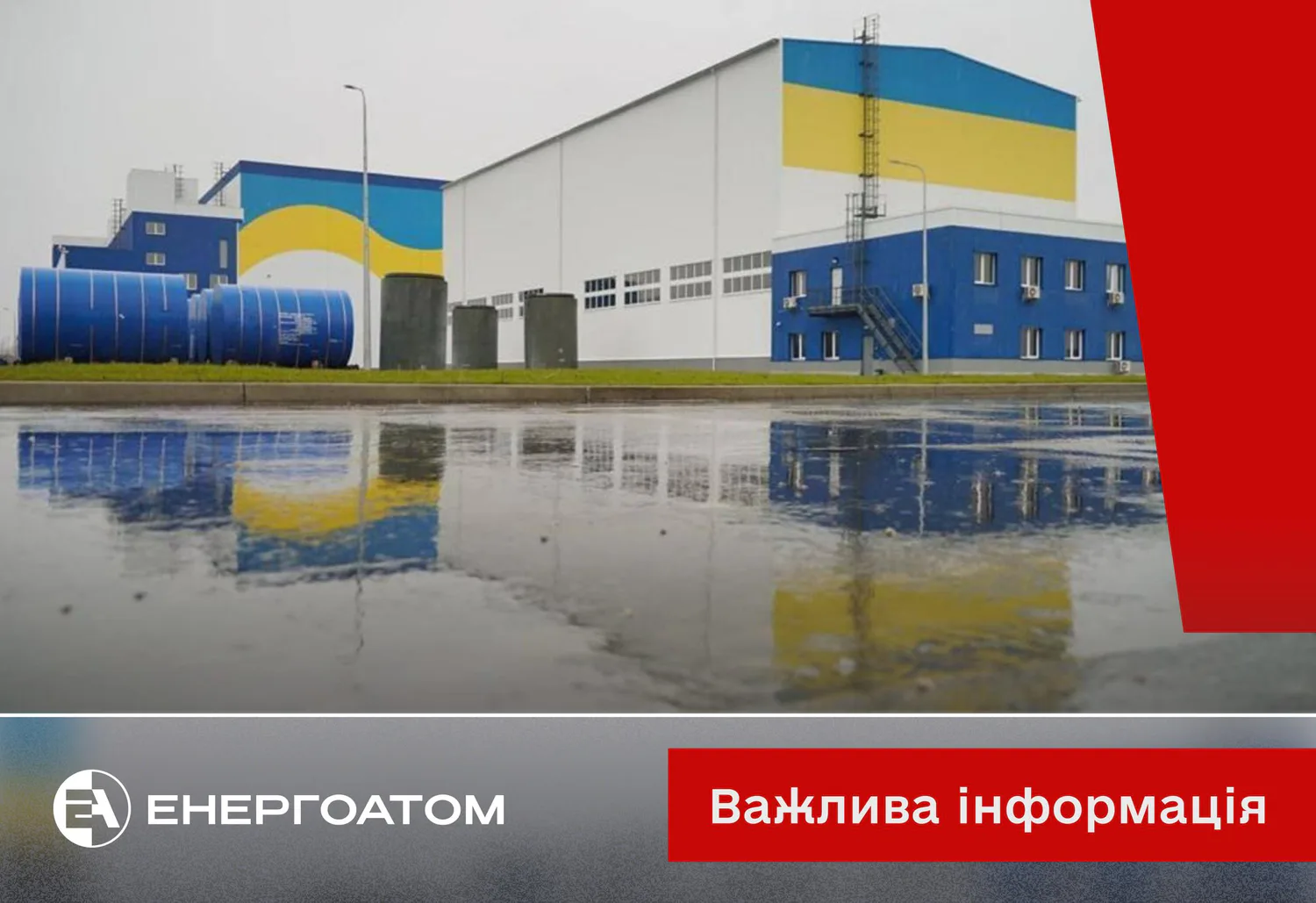
At 02:10 on the night of June 7, a Russian strike drone hit the platform of the Centralized Storage Facility for Spent Nuclear Fuel (CSFSF) in the Kyiv region, near the Chornobyl Nuclear Power Plant. The container receiving building was partially destroyed — the place where transport containers with fuel are reloaded before being sent for long-term storage. A fire covering 40 square meters broke out and was extinguished. There were no casualties among personnel.
What is CSFSF and why it's not "just a warehouse"
CSFSF is Ukraine's only centralized storage facility for spent nuclear fuel from three operating NPPs: Rivne, Khmelnytsky, and South Ukraine. According to 24 Kanal, the facility is designed for long-term storage — for 50 years — in special HI-STORM type containers weighing approximately 200 tons each, and the process is monitored by the IAEA.
The container receiving building is a technological hub where spent fuel is reloaded from transport containers into storage containers using a heavy-duty crane. At the moment of the attack, there was no nuclear fuel physically present in the building — which is why radiation levels remained normal. But the destruction of this very hub blocks the entire chain: without it, new batches of spent fuel from NPPs cannot reach the storage facility.
"Systematic and deliberate" — Sybiha's reaction
This is not the first time Russian forces have endangered Ukrainian nuclear facilities. Nuclear blackmail from Russia and threats to nuclear security have a systematic, deliberate, and unacceptable nature.
— Andrii Sybiha, Ukraine's Foreign Minister, on X
Energoatom also emphasized: another strike on a nuclear infrastructure facility "once again demonstrated to the entire world the true face of the Kremlin regime." As Glavkom notes, the containers with highly radioactive substances were not damaged, and personnel acted clearly according to instructions.
Why "normal" is not synonymous with "without consequences"
The absence of radiation contamination is good news. But the attack targeted the very infrastructure hub, not the storage facility as such. This means several things at once:
- Nuclear fuel logistics: while the building is not restored, container reloading is impossible — meaning fuel from NPPs has nowhere to be transported to.
- Precision precedent: the drone hit a specific technological building, not just the facility's perimeter.
- Facility protection: CSFSF is located in the Chornobyl exclusion zone — but this did not make it unreachable.
According to 24 Kanal, the storage facility is designed for 458 containers and should be filled over decades. Restoration of the receiving building is a precondition for continuing this process.
If Russia strikes not at an auxiliary building but directly at the storage platform with filled containers — will Ukraine have sufficient physical protection that meets IAEA standards for peacetime, but was not designed for drone attacks?