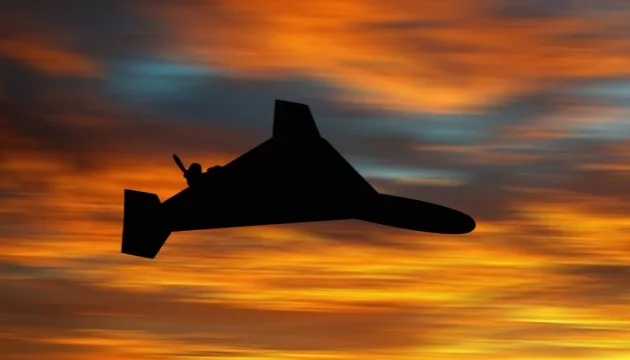
Ukrainian rocket and strike drone manufacturer Fire Point has launched the first phase of construction of a solid rocket fuel production facility in the Danish city of Vojens. Excavation work is currently underway for the main production building. This facility will manufacture FP-7 ballistic rockets, FP-7.x ballistic interceptors, and boosters for FP-5 Flamingo rockets.
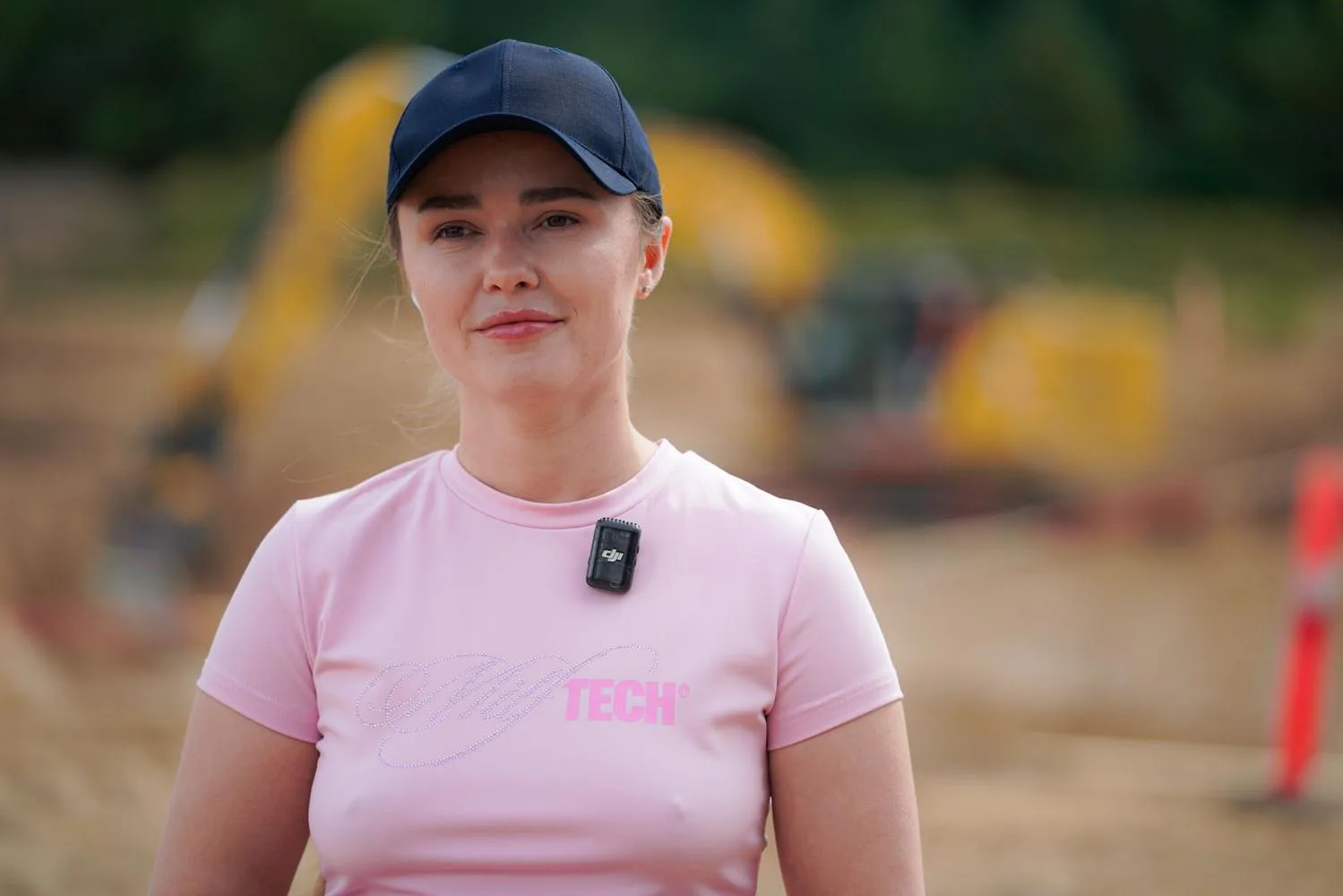
"We are at the first phase of construction of our rocket fuel production facility in Denmark, which is adjacent to the factory we purchased last year. Right now excavation work is underway for the main production building in accordance with all local legislation requirements that we developed together with the governments of Denmark and Sweden," said Fire Point CEO and CTO Iryna Terekh during a press conference.
Project Scale
Construction will be carried out in several phases, with the total factory area exceeding 120,000 square meters. Additional security infrastructure will be built around the facility. According to Terekh, the future complex will include a mine section and a production line for filling FP-7 and FP-7.x rockets, as well as boosters for Flamingo.
Construction costs are estimated at over 150 million euros. The amount increased after it was discovered that the premises acquired by the company were unsuitable for production, making it necessary to build a new facility.
Why Denmark
Russia hunts for similar factories in Ukraine with the goal of destroying them, so locating production on the territory of a NATO member state minimizes the risk of strikes on the enterprise. Danish authorities removed over 20 legislative barriers to allow Fire Point to begin operations.
This is the first instance within the alliance where a NATO member country has allowed a Ukrainian defense enterprise to locate a production facility on its territory. According to Terekh, some regulatory requirements in Europe were outdated due to the lack of appropriate expertise over an extended period.
"Restoring this capability on the European continent is very important. This is another step toward our technological independence," noted Iryna Terekh.
The factory will meet the needs for solid rocket fuel for both Ukraine and Europe. The question is whether the Danish facility will become a model for other NATO countries or remain an isolated exception.