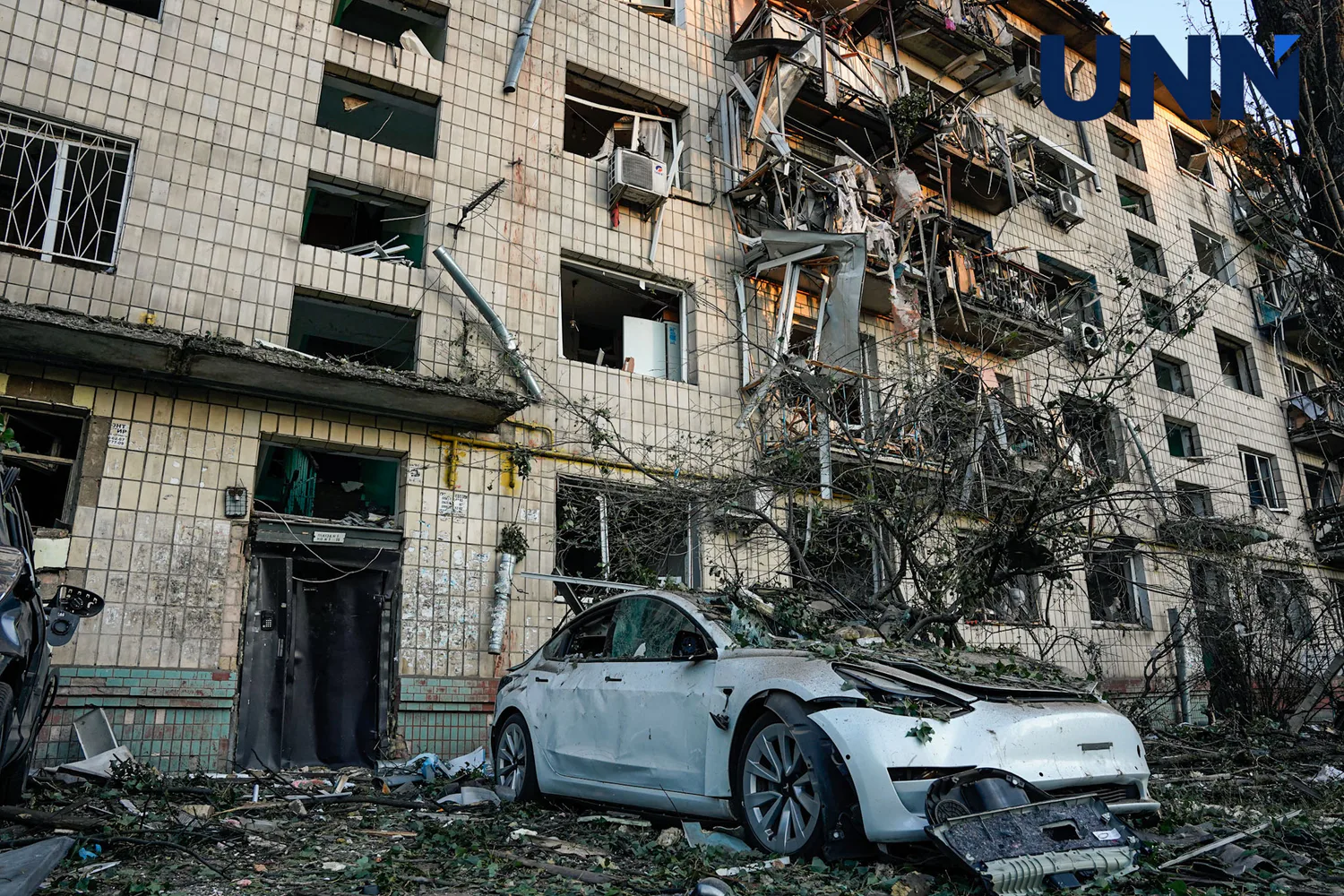
On the night of July 2, Russia fired 74 missiles and 496 drones at Kyiv. Air defense destroyed or suppressed 524 targets. The rest struck. 30 civilians were killed, over 90 were injured, including two children. Damage was recorded at more than 30 locations across all districts of the city. On July 3, Kyiv declared a day of mourning.
What the investigation established
The Office of the Prosecutor General and the Security Service of Ukraine launched a pre-trial investigation under Part 2 of Article 438 of the Criminal Code of Ukraine — violation of the laws and customs of war combined with issuance of an order. The investigation attributes responsibility for organizing the attack to the Chief of the General Staff of the Armed Forces of the Russian Federation and First Deputy Minister of Defense of Russia Valery Gerasimov.
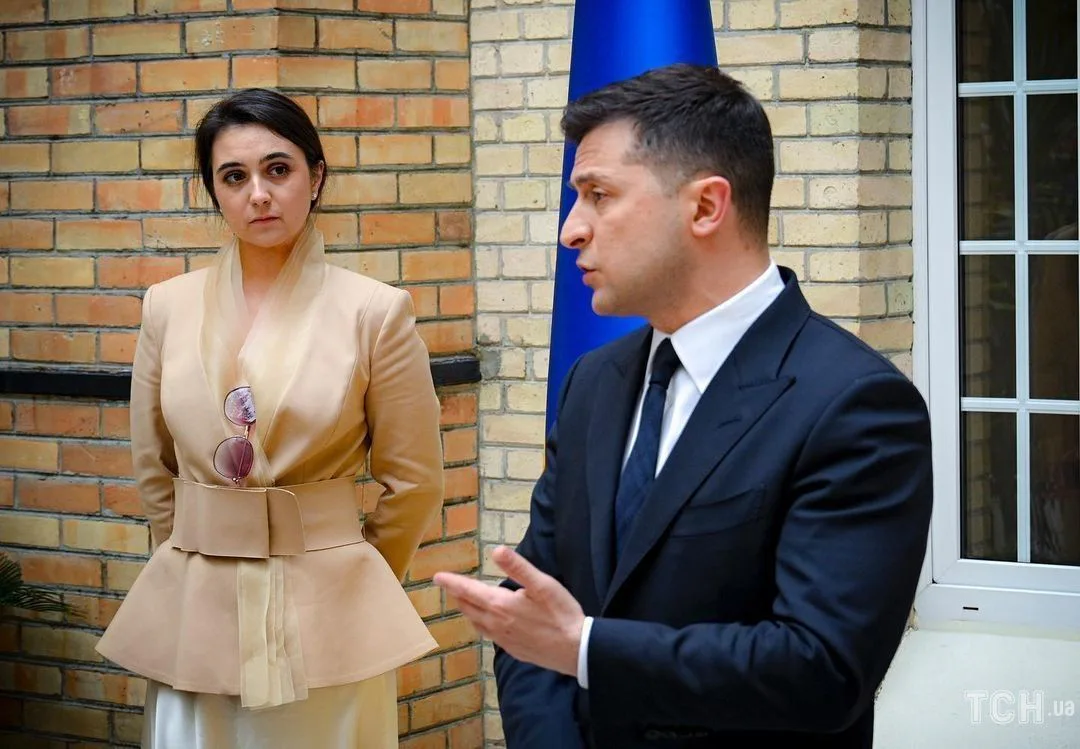
«Russian terror has specific names, positions, and orders. We are establishing the complete chain of responsibility of Russian command: from those who make criminal decisions and turn terror against civilians into state policy, to those who directly launch drones and missiles at Ukrainian cities.»
Prosecutor General Ruslan Kravchenko
According to Kravchenko, Gerasimov specifically coordinated the actions of four components into a unified plan: long-range aviation, the Black Sea Fleet, Ground Forces, and unmanned systems units. The attack employed X-type missiles, Kinzhal, Kalibr, Iskander, and strike UAVs — that is, Russia's entire arsenal that it systematically uses to strike civilian infrastructure.
The hardest hit district — Darnytskyy
The most severe destruction was recorded in the Darnytskyy district: the first six floors of a nine-story building collapsed in one of the houses, and search and rescue operations continued. The Shevchenko, Desnyansky, Obolon, Holosiyivsky, Sviatoshyn, and Pecherskyy districts were also damaged — residential buildings, a hotel, administrative infrastructure. An ambulance substation was damaged, among other facilities.
What this case means legally
The case under Article 438 of the Criminal Code is not the first time Ukraine has opened a case against Russian command. However, personal attribution to a specific attack with a specific date and number of casualties represents a different level of documentation. The investigation states that within the framework of this proceeding, other mass strikes against Ukraine will be examined.
Kravchenko noted that the proceeding covers violations of Articles 51 and 52 of Additional Protocol I to the Geneva Conventions — prohibitions on attacks against civilians and civilian objects. The penalty for Part 2 of Article 438 of the Criminal Code is life imprisonment.
The problem that the investigation has not yet solved: there is no mechanism for actually executing a sentence against Gerasimov while he remains in Russia. Holding him accountable remains a matter not of the present, but of sustained pressure — through international tribunals, trials in absentia, and his future status as a suspect in any country in the world. If Ukraine proves the chain of command down to a specific strike in court, this will become a precedent that will be difficult for partners who have so far hesitated to recognize command responsibility to ignore.