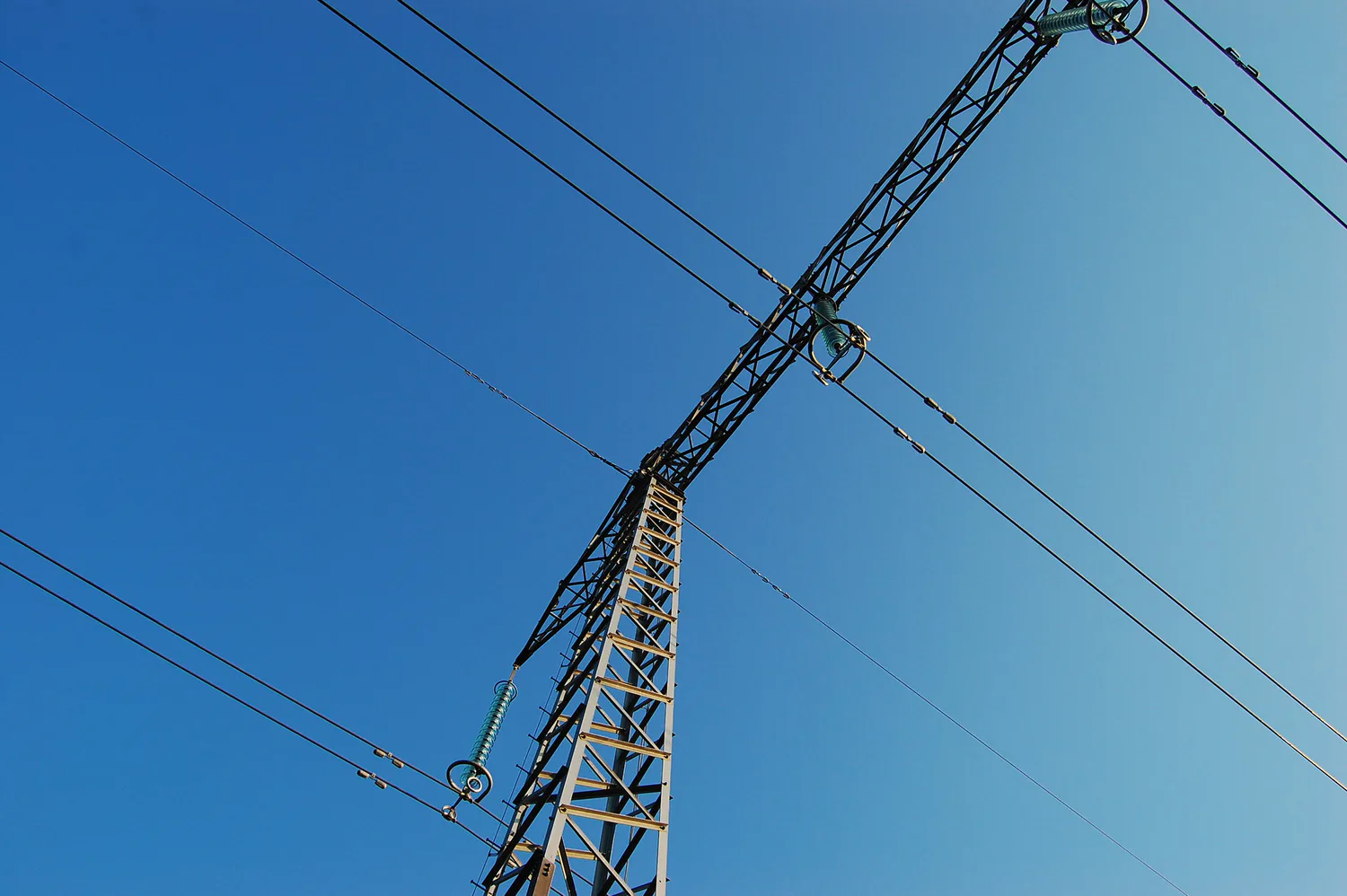
On Tuesday, June 30, Ukraine's power system faced three independent loads simultaneously: the consequences of Russian attacks, stormy weather, and anomalous summer heat. The Ministry of Energy introduced hourly blackouts in all regions from 5:00 PM to 10:00 PM — precisely when household consumption reaches its daily peak.
Three reasons for one deficit
Due to enemy attacks, 5 regions were partially without power; due to bad weather — another 8. According to the Ministry of Energy, storms alone left nearly 600 populated areas without electricity in Volyn, Zhytomyr, Kyiv, Lviv, Ternopil, Khmelnytsky, Cherkasy, and Chernihiv regions. Repair crews are already working on the ground.
But even without attacks and without storms, the heat itself critically loads the networks. As Sergiy Kovalenko, CEO of Yasno, explained, each additional +3°C in Kyiv adds approximately 100 MW of load to the system — and this concerns not only home air conditioners, but also industrial cooling systems in offices, shopping centers, and enterprises. According to Vitaly Zaichenko, chairman of Ukrenergo, heat and mass use of air conditioners increase overall consumption by 25%.
"Europe, and Ukraine with it, has entered a period of anomalous heat. For energy, this means one thing — a sharp increase in consumption."
Sergiy Kovalenko, CEO of Yasno
Why specifically 5:00 PM–10:00 PM
Ukrenergo identifies two peak windows per day: 8:00 AM to 11:00 AM and 5:00 PM to 10:00 PM. The evening peak is the most acute: people return home, turn on air conditioners, water heaters, washing machines simultaneously. Energy experts urge moving these devices outside the peak window or reducing their use: even a reduction in consumption of 10–15% during these hours can significantly relieve the system.
How well the system will hold
Zaichenko noted that this summer the power system is more resilient than last year — thanks to enhanced protection of substations and development of distributed generation. New gas generation is being introduced monthly, helping to balance the system during peak hours. However, he does not rule out: if prolonged heat coincides with large-scale shelling, in July–August blackouts could reach up to 5 hours per day.
Kovalenko also drew attention to a hidden risk: equipment that has been operating under war conditions for more than four years and has suffered numerous attacks physically tolerates heat spikes worse — the wear and tear of infrastructure turns every heat wave into a stress test.
- 5 regions — partially without power due to combat damage
- 8 regions, ~600 villages and towns — without power due to storms
- +25% to consumption — the effect of heat on the entire system
- 100 MW — additional load on Kyiv for every +3°C
If the hot period lasts longer than 2–3 days and coincides with another attack on generation — will there be enough new distributed generation to keep blackouts within hourly schedules, rather than returning to multi-hour blackouts like those in winter 2022–2023?







