What was approved and why it matters
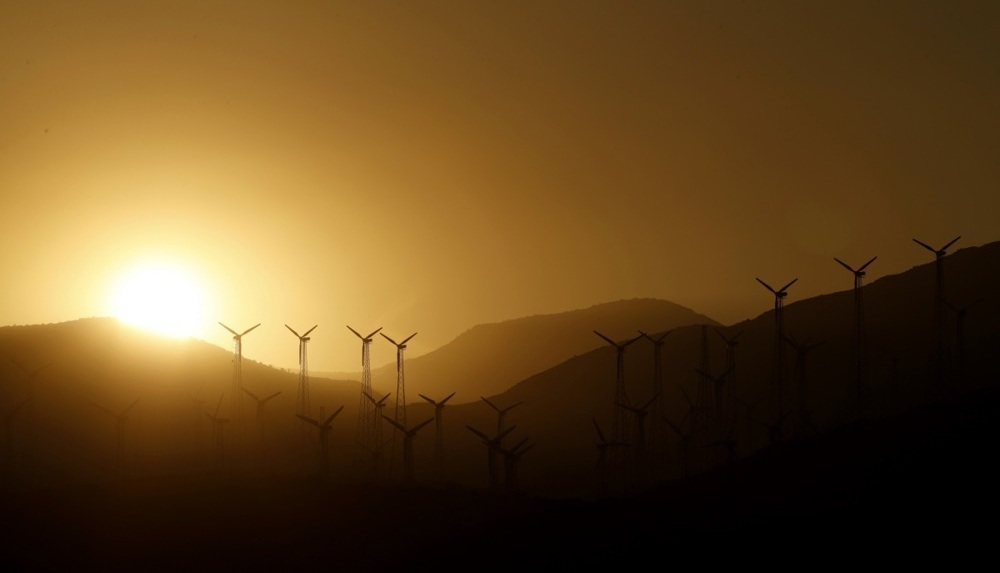
The Ministry of Economy issued a positive environmental impact assessment (EIA) conclusion for the construction of a wind farm on the Runa polonyna in the Tur'ye-Remetivska community of Uzhhorod district. The plan foresees 30 wind turbines of up to 5.5 MW each — totaling up to 156 MW, which would produce about 480,000 MWh per year and cover the consumption of approximately 235,000 households (over half a million people).
Key findings of the EIA
- The project area is not part of the Nature Reserve Fund or the Emerald Network.
- Distances to protected-area objects and primeval forests (80–490 m) do not breach protection zones.
- Studies confirmed low impact on birds and bats given the proposed measures and monitoring.
- The project does not involve forest clearing, access is provided by an existing road; the developer holds urban planning and land documents.
Procedural issues: “salami slicing” and the Ministry’s response
The ministry noted the investor’s use of a phased implementation approach (salami slicing), with foundations being erected before the final EIA conclusion. Although there is currently no outright ban on this, the ministry announced preparations to amend the regulatory framework to prevent using the procedure as a loophole. Ultimately, the Ministry of Economy emphasized that this decision does not create an automatic precedent for other sites — each project will undergo a separate assessment.
"The project creates new jobs for the community, will provide additional taxes and higher business activity. Ukrainian-made wind turbines will also be used here — and that speaks to the ability to create added value in Ukraine even during the war"
— Oleksii Sobolev, Minister of Economy
Context for the country: energy independence and recovery
The decision comes against the backdrop of serious generation losses: since October 2025, missile attacks have damaged about 8.5 GW of generating capacity. The development of renewable energy sources is seen as one of the tools for recovery and for strengthening energy resilience.
Under the National Energy and Climate Plan, the share of renewables (RES) should reach at least 27% by 2030 (currently about 11%). Since the start of the full-scale war, roughly 260 MW of wind and 850 MW of solar generation have been added — and the Runa project could be a noticeable contribution to these figures for the region.
What’s next and what to expect
For Runa’s energy to start working for people, final permits are needed, compliance with environmental standards must be controlled, and the regulatory changes announced by the government must be implemented. A successful launch would bolster Zakarpattia’s energy resilience ahead of the next heating season and demonstrate how quickly Ukrainian industry can create added value even during the war.
Summary: the decision on the Runa polonyna strikes a balance between energy needs and environmental protection requirements, and also serves as a test for the state’s procedural framework. Whether it becomes a model for other projects will depend on the fulfillment of environmental guarantees and the prompt improvement of the rules of the game.







