Brief and important
Another nighttime strike on the capital left almost 6,000 homes without heating, caused water supply disruptions on the left bank and partially on the right. According to the State Emergency Service (DSNS), there is 1 dead and at least 4 injured. This attack again threatens residents' basic needs in the midst of winter.
What happened
Kyiv Mayor Vitali Klitschko reported on Telegram that as a result of a massive attack and damage to critical infrastructure in the capital, "almost 6,000 homes are again without heating." Most of them are those that had already been reconnected or attempted to be reconnected to heating after the incidents on January 9 and 20.
"As a result of a massive enemy attack and damage to critical infrastructure in the capital, almost 6,000 homes are again without heating"
— Vitali Klitschko, Mayor of Kyiv
The Kyiv City Military Administration (KMVA) also reports that the "red" metro line is operating with restrictions. The State Emergency Service recorded destruction in several districts and confirmed casualties and injuries.
Where and what damage was recorded
- Holosiivskyi district — partial destruction on the upper floor of a confectionery factory: a woman was killed, 2 other people were injured; a private residential house was also damaged.
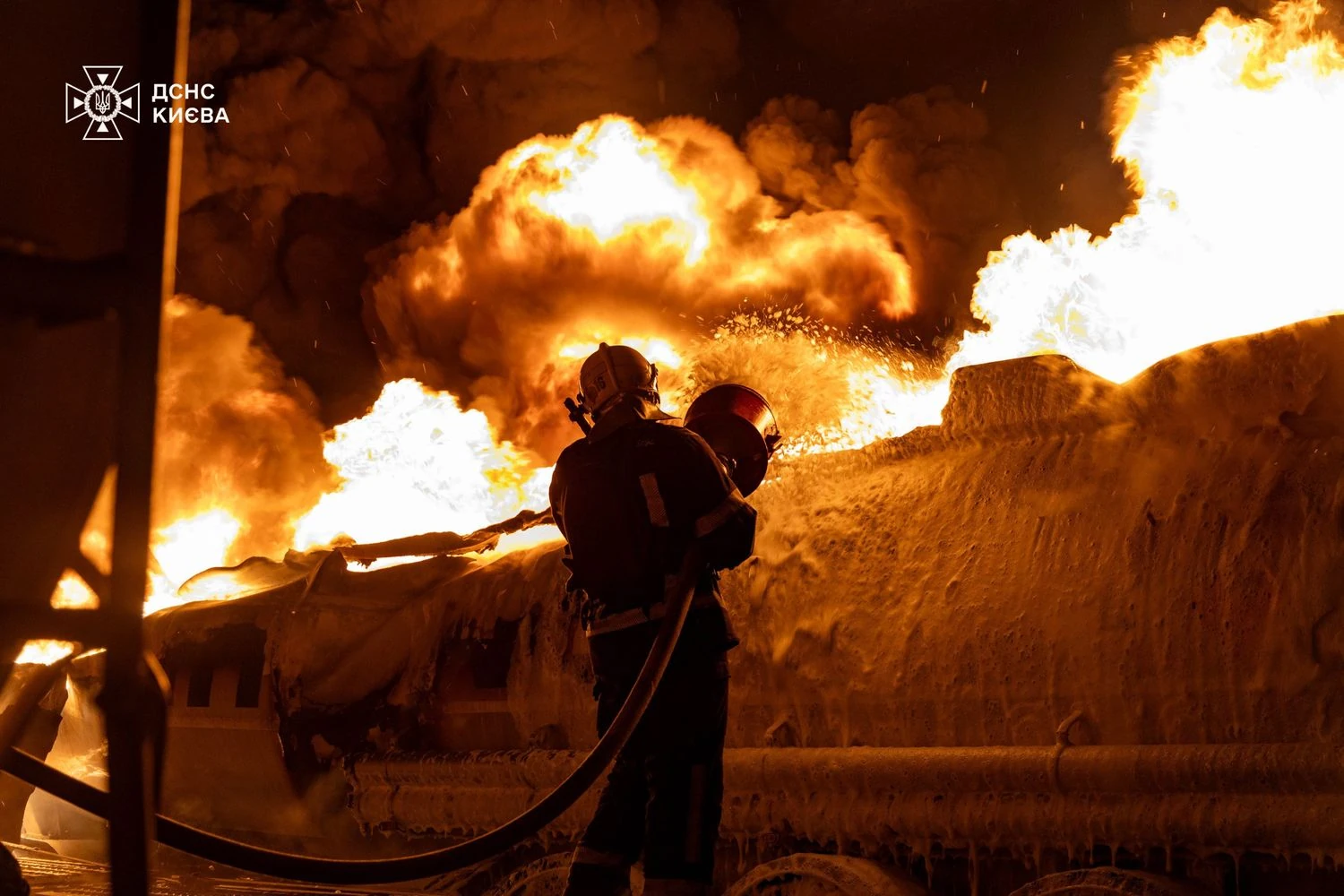
- Dniprovskyi district — a fire on the territory of a garage cooperative; separately, a fuel tanker with a fuel leak caught fire, the fire was extinguished, 1 person was injured.
- Darnytskyi district — damage and a fire at an uninhabited residential high-rise, the fire was extinguished.
- Solomianskyi district — an office building was damaged.
Consequences for residents
Heating: interference with heating networks during frosts is not just temporary discomfort. Each repeated shutdown increases health risks for vulnerable groups (the elderly, children, people with chronic illnesses) and complicates the logistics of restoring the network.
Water: disruptions to water supply make hygiene, food preparation, and hospital operations more difficult. For households this means additional expenses and the need to stock supplies.
Transport: limited metro service worsens mobility for residents and emergency services, especially during peak hours.
What is being done now and what to expect
Utility and energy crews are working on site to restore services as quickly as possible. Some homes had already been reconnected after the January 9 and 20 attacks — this complicates the operational picture and strains resources.
"Utility and energy crews are working to restore services to Kyiv homes."
— statement of the Kyiv City Military Administration
Analysis: the destruction of critical infrastructure is a deliberate tactic that has not only military but also psychological and economic effects. Recovery depends on the speed of material deliveries, the safety of repair teams, and the availability of backup equipment.
Conclusion
This attack again demonstrated that the city's security is not only about the front lines and trenches, but also about the stability of heating, water, and transport. The key question now is how quickly state and municipal services can pass a resilience test and reduce risks to people. For Kyiv residents, it is important to keep a supply of basic items and follow official updates on service restoration.