What happened
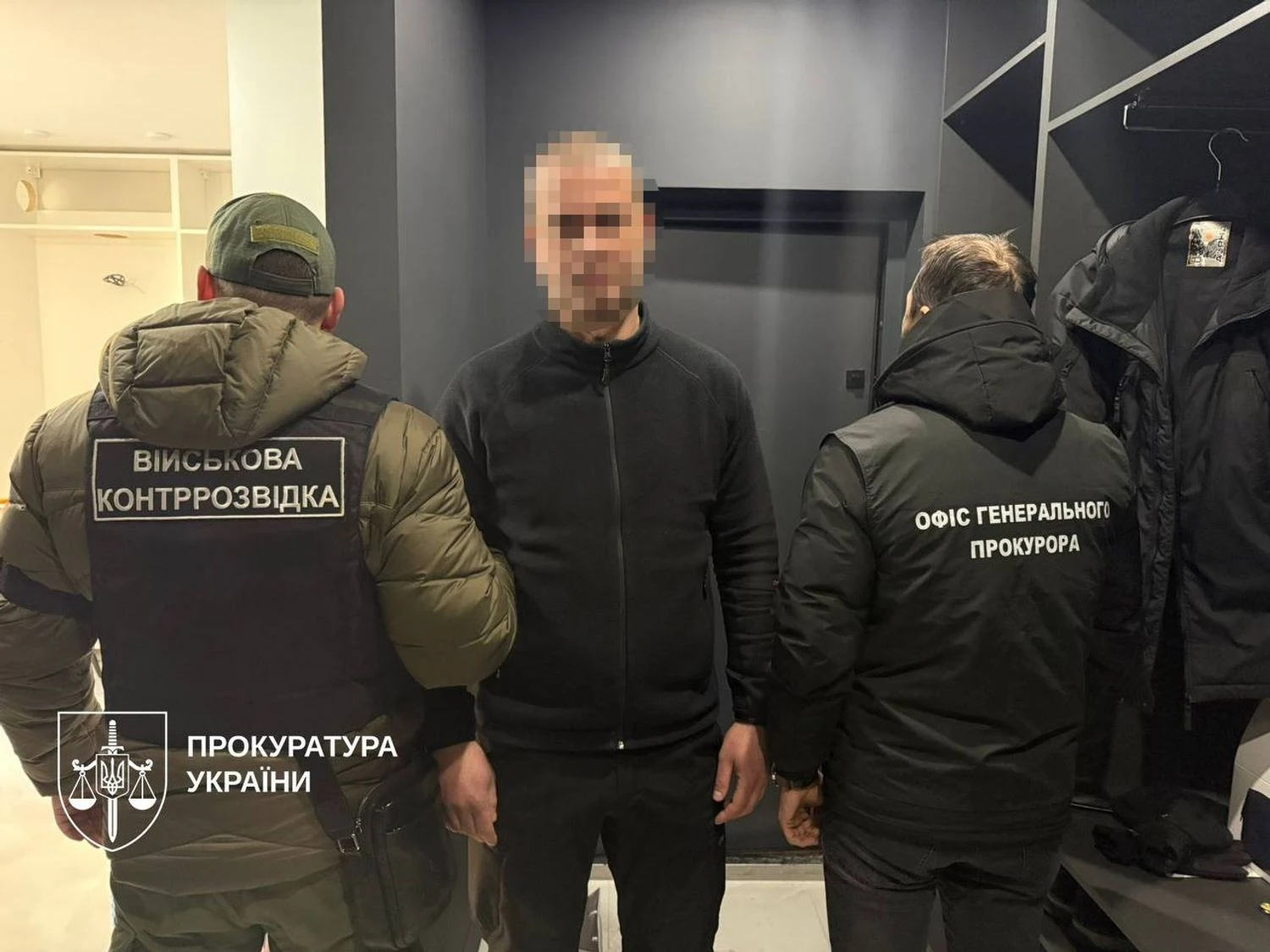
Employees of the Security Service of Ukraine together with the Office of the Prosecutor General uncovered in Kyiv a large-scale scheme to evade mobilization, in which the first deputy head of one of the city’s district state administrations was involved. As a result of comprehensive actions, the official was detained.
How the scheme worked
According to the investigation, the official, by forging documents, fictitiously “enrolled” clients into military units of the Armed Forces of Ukraine, and later organized their unlawful removal from the military register on the basis of fabricated medical diagnoses. The scheme relied on personal connections in the district territorial recruitment and social support center and an accomplice who produced the fake documents.
"The cost of such a 'service' ranged from 15 to 20 thousand US dollars per person."
— Security Service of Ukraine
During searches, counterfeit medical and military registration documents, stamps allegedly of military units and mobile phones containing evidence of illegal activity were seized.
Why it matters
Corruption schemes of this scale not only undermine trust in state institutions — they directly damage defense capability. Every “bought” position means a shortage of personnel for units, and the high earnings make this business attractive to organized groups. Security analysts note that effective mobilization is not only a matter of the strength of arms, but also of trust in the system.
Legal qualification and consequences
Investigators have notified suspects under Parts 3 and 5 of Article 27, Part 2 of Article 28, and Part 4 of Article 409 of the Criminal Code of Ukraine (organization and complicity in evading military service, committed by prior conspiracy of a group of persons under martial law). The suspects face up to 10 years in prison. The question of a preventive measure — detention — is currently being decided.
What’s next
The SBU and the Office of the Prosecutor General continue to document the involvement of other persons and to work through the networks through which the illegal payments passed. The detention is an important step, but systemic counteraction requires changes in control over military registration, tougher penalties for forging documents, and transparent mechanisms for medical examination.
Will this evidence and the necessary political will be enough to break the chains that turn mobilization into a commodity? The answer will depend on the speed of the investigation and the quality of the court’s resolution.