The power of memory against formal rules
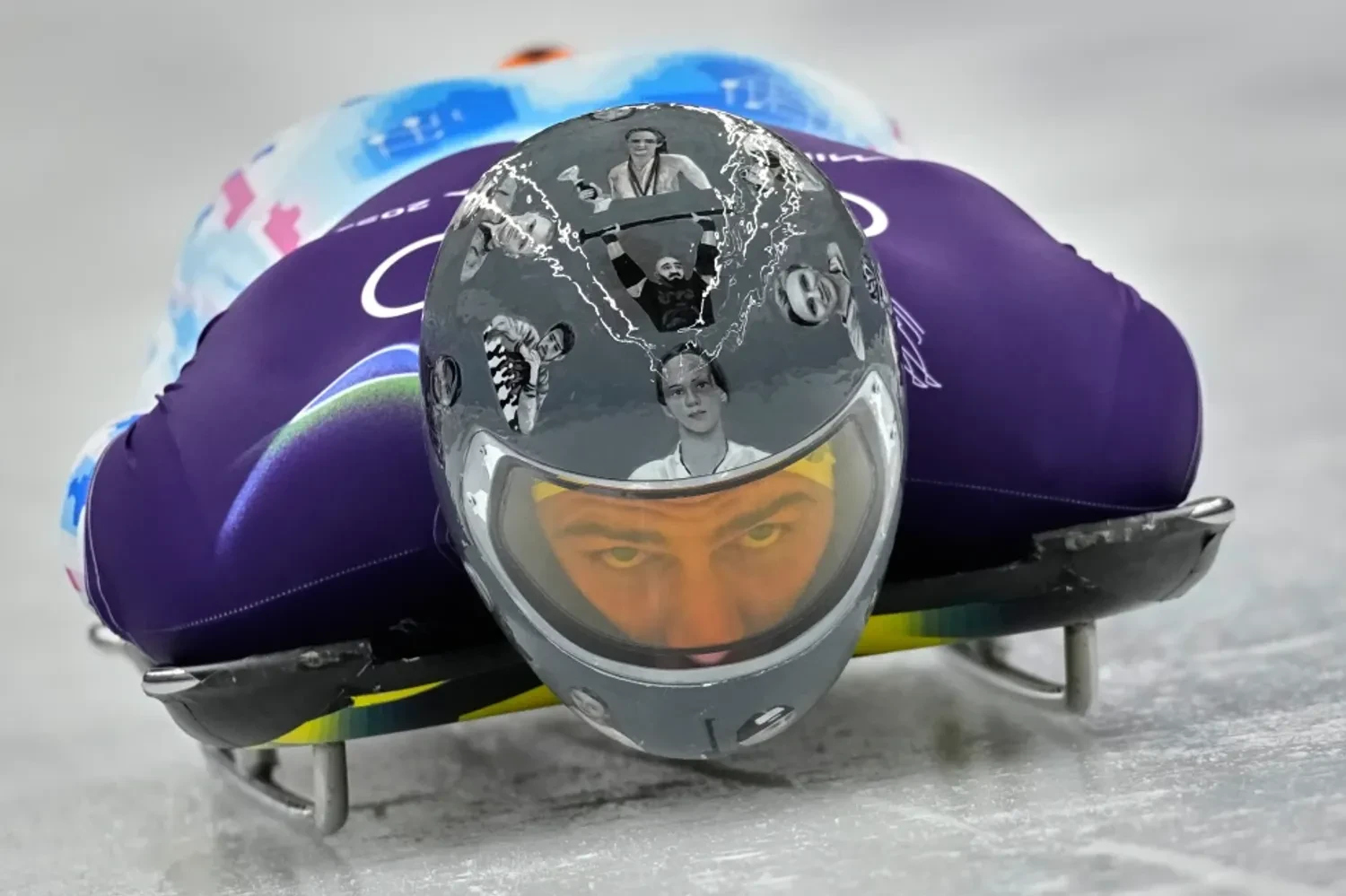
Vladyslav Heraskevych reported on Instagram that he was banned from using a helmet with portraits of Ukrainian athletes who were killed as a result of Russian aggression at the 2026 Olympics. The decision drew the attention of the President of Ukraine and the media: UNN recorded the reaction, and in response Volodymyr Zelensky published an address on his Telegram channel.
What was on the helmet and who is being honored
The helmet bore the faces of athletes who died during the full-scale war: among them — figure skater Dmytro Sharpar, who died in the fighting near Bakhmut, and 19-year-old biathlete Yevhen Malyshev, who was killed near Kharkiv. For many Ukrainians and the international community this image is not a protest in the narrow sense, but a reminder of human losses and that the war has affected the sporting community as well.
The president's position and arguments in favor of memory
"On his helmet are portraits of our athletes whom Russia killed. The figure skater Dmytro Sharpar, who died in the fighting near Bakhmut, 19-year-old biathlete Yevhen Malyshev, who was killed by the occupiers near Kharkiv, and other athletes whom the Russian war deprived of life"
— Volodymyr Zelensky, President of Ukraine
In his address the president emphasized that such actions are a way to bring the truth to a global audience and to honor the memory of the fallen. In his words, this should not be equated with a political action: "This truth cannot be inconvenient, inappropriate, or be called a 'political action at sporting events'."
Context: why this issue goes beyond one helmet
The Olympic movement traditionally appeals to the idea of sport's neutrality, yet sport itself provides a unique platform for international attention. In Ukraine's case this involves a combination of commemorative symbolism and information warfare: the Center for Countering Disinformation (CCD) records Russian campaigns targeting Ukrainian athletes during the Olympics in Italy, so messages coming from a large stage carry weight.
What might change
The organizers' decision so far leaves several consequences open: from an internal debate about the limits of political expression in sporting arenas to possible diplomatic appeals and public resonance that could strengthen Ukraine's position in the information sphere. For Ukraine this is a test: whether the international community will allow itself to see and acknowledge human losses, even when they have a political underpinning.
"This is precisely what reminds everyone of the global role of sport and the historical mission of the Olympic movement as such — it's all about peace and for the sake of life. Ukraine is true to this. Russia proves the opposite."
— Volodymyr Zelensky, President of Ukraine
The question now is not only about one helmet: it is about whether the international community can distinguish between formal rules and the basic humanity that these portraits symbolize. The ball is now in the court of the Olympic organizers, international federations and the world's media — whether they will allow the truth to be visible, or continue to reduce it to a 'violation of the rules'.