Why this matters
107 trolleybuses — not just a number. It indicates how international loans, local budgets and domestic factories have combined to restore urban mobility during wartime. For residents it means more accessible transport and jobs; for the city — less dependence on diesel and better environmental conditions. Most deliveries resulted from agreements signed at the end of 2024 that began to be implemented in 2025.
"2025 is the year of the trolleybus market's recovery in Ukraine."
— Alltransua, an industry publication
What exactly arrived in cities in 2025
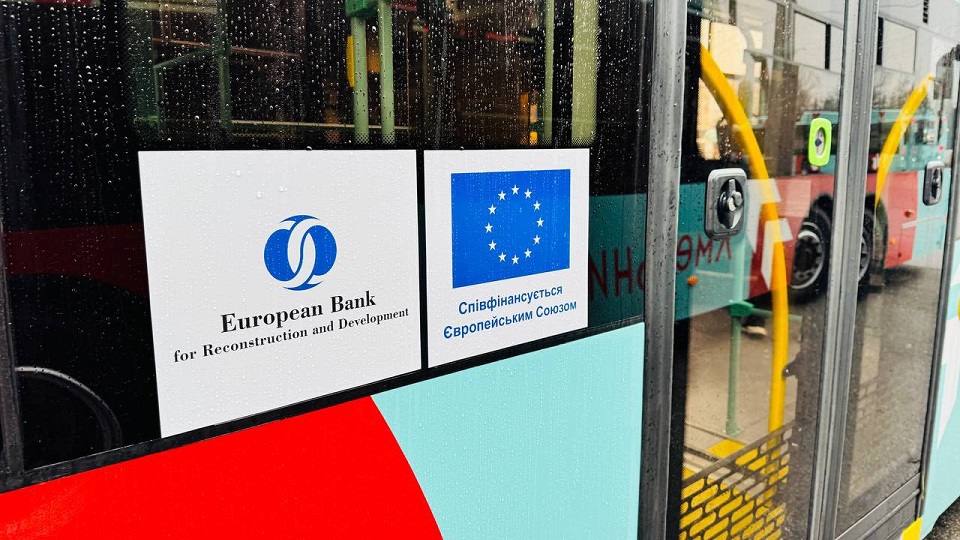
In total, Ukrainian cities received 107 trolleybuses in 2025. Of these, 75 were new, and the majority of the new ones (66 units) were purchased within cooperation with international financial organizations. This underscores the role of donors and lenders in rebuilding infrastructure during the war.
Individual batches were purchased directly with budget funds: Chernihiv received three Etalon T121 "Barvinok" trolleybuses, Chernivtsi — six PTS T123.
Manufacturer breakdown: about 90% of the new trolleybus market, according to Alltransua's estimates, was supplied by Etalon (Chernihiv Automobile Plant "Bogdan") and PTS (Bronsky plant "Politechnoservice"). The remaining deliveries were covered by Lviv's "Electron" and Trading House "Litan" (brand "Dnipro"), which resumed production after a pause.
- "Electron" started deliveries to Ivano‑Frankivsk.
- "Litan" completed a batch of trolleybuses for Mykolaiv with MAZ bodies — an order that had been interrupted by the start of the full-scale invasion.
- Kharkiv became the main recipient of used trolleybuses — 26 units of Škoda of various models, including a batch of 21Tr from Brno in the Czech Republic; another 24Tr arrived as a donor for spare parts.
- Rivne purchased four Solaris Trollino from Lublin; Ivano‑Frankivsk received the last Gräf & Stift from Salzburg.
What may change in 2026
Under current agreements with international financial institutions, additional deliveries are expected: completion of previously started batches (notably for Ivano‑Frankivsk, Kremenchuk) and new arrivals to Lutsk, Ternopil and Chernivtsi. This means the recovery process will continue, but its pace depends on financing and the stability of power supply.
Obstacles and risks
Not everything is going smoothly. In November 2025 Zhytomyr refused an EIB loan to purchase trolleybuses and electric buses due to power outages caused by Russian shelling — a reminder that investments in transport must be accompanied by improvements in the network's energy resilience.
At the same time, Cherkasy plans to purchase more than 40 new trolleybuses with an EBRD loan and grant funds — an example of how external financing is combined with a local fleet renewal strategy.
Conclusion: what next
107 trolleybuses in 2025 is a signal that the sector is recovering. But for a sustainable result two things are needed: stable financial decisions from partners and investments in networks and maintenance services. If these elements come together, cities will gain not only transport but also strengthened economic and energy resilience. Whether partners' announcements will turn into signed contracts is a question for next year.







