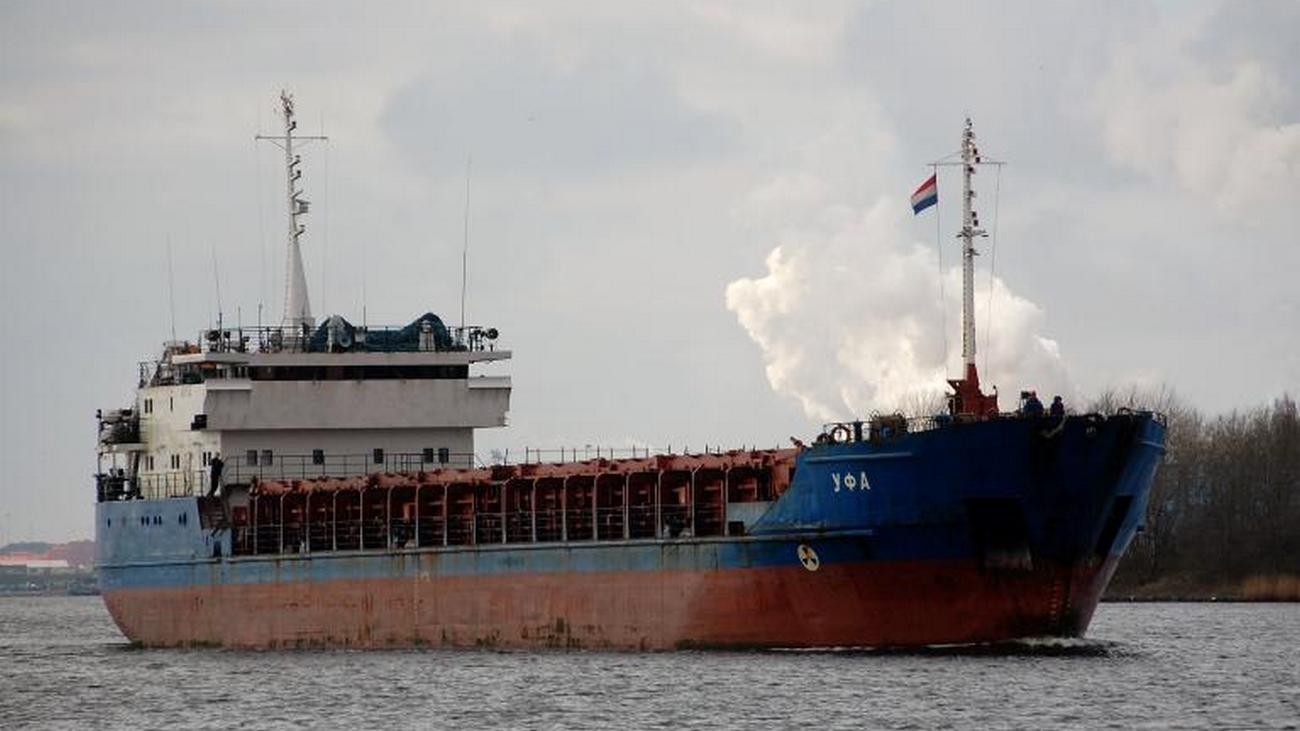
Thirteen of the 22 sanctioned tankers moving through the Baltic since April 7 have passed south of the Danish island of Bornholm — instead of taking the usual northern route along the Swedish coast. This represents 59% of the fleet, and Swedish inspections have not even become systematic yet.
Why the route changed now
Sweden began inspecting vessels — checking documents, insurance, and classification certificates — following a series of incidents involving suspicious ships in the Baltic Sea. According to Bloomberg, tankers are responding to these inspections preemptively: they change course before even making contact with the coast guard.
Notably, the fleet's reaction is immediate but not catastrophic for Moscow: the southern route through Bornholm is longer and more expensive, but passable. The tankers did not stop — they adapted.
Context: what is the "usual route"
Until April, shadow tankers were loaded in Primorsk or Ust-Luga, passed through the Gulf of Finland, moved along the Baltic states and Poland, and then — further north, closer to the Swedish coast. As Bloomberg documented in 2024, many vessels stopped near Gotland island to refuel and load supplies.
"What frightens me most is a collision. These are old, obsolete vessels. There is terrible traffic. If there is a spill, it will be a catastrophe."
— Danish pilot Pedersen, Bloomberg
This pilot guides shadow tankers through Danish waters on average twice a week — and says some vessels are in such poor condition that colleagues refuse to stay aboard even overnight.
How many are there really
In 2025, 292 sanctioned vessels passed through Danish straits — a level comparable to 2023–2024. Meanwhile, 30 to 40 shadow tankers are anchored between Finland and Estonia — in a six-mile strip of international waters beyond the jurisdiction of EU countries.
Russia, for its part, has increased military presence to escort these vessels. Estonian Navy Commander Ivo Vark said last week that the growth in Russian naval presence has increased the risk of escalation — to a level where Estonia would consider intervention only in case of a real threat to infrastructure or an oil spill.
A precedent that changes the logic
In January 2026, Germany forced the tanker Arcusat to turn around — a vessel that formally "does not exist" in international databases. If Sweden, Belgium, and Britain scale up such practices, the logistical equation for Russian oil exports from the Baltic will become significantly more complicated.
But for now, the tankers have only shifted several dozen miles south. A route change is not a stop to exports.
The question is not whether inspections will stop the shadow fleet — they will not. The question is whether Sweden and Denmark have enough resources and political will to turn episodic inspections into systematic control before one of these old tankers collides with another vessel or runs aground near Gotland.







