In brief — and why it matters
The Podilskyi District Court of Kropyvnytskyi in early February 2026 seized corporate rights and real estate belonging to Russian businessman Vadim Zarubin. The decision by the SBU and the Kirovohrad regional prosecutor’s office has a direct connection to security interests: the investigation indicates that part of the revenues and goods from these enterprises ended up with units of the Russian Armed Forces on Ukrainian territory.
What exactly was seized
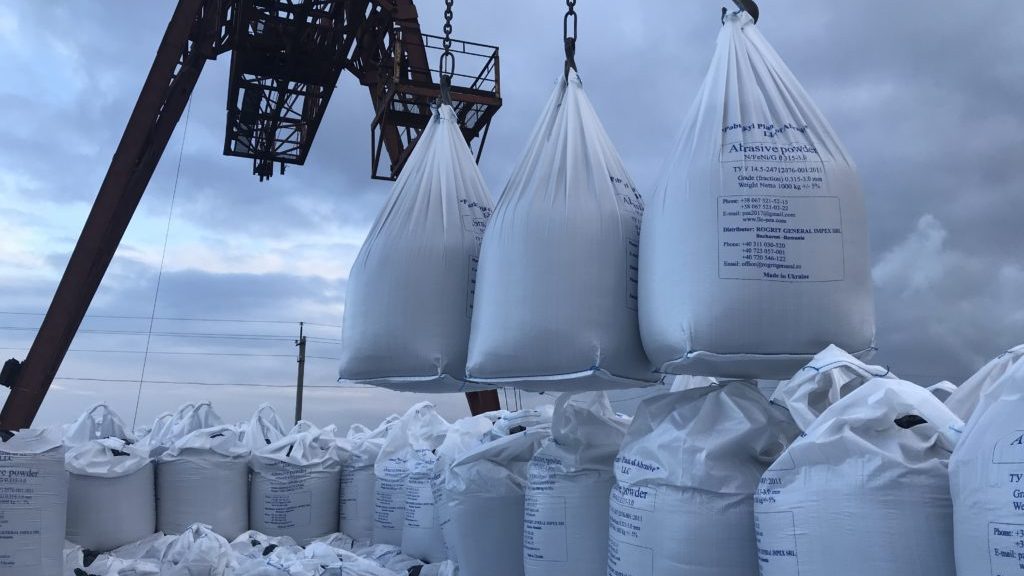
The rights to a number of Ukrainian companies were seized, the main asset — Pobuzky Abrasives Plant LLC (100%). Shares were also blocked in Metservicegroup LLC (66%), Ukrmining LTD LLC (100%), Maria Lider LLC (100%), production facilities, land plots of over 13 hectares, several vehicles and two apartments (Pobuzke, Odesa). The court ruling is published in the judicial registry; the text of the notice of suspicion is on the website of the Office of the Prosecutor General.
"The seizure prevents re-registering the property to nominee persons and creates a basis for subsequent nationalization of the assets into Ukraine’s revenues."
— SBU Press Service
Evidence and charges
According to the investigation, from March 2019 to March 2023 Zarubin received more than UAH 9.1 million from the activities of the Pobuzky plant into the account of his individual entrepreneur; funds were transferred to bank cards and were partially directed to support the Russian armed forces. In addition to the Ukrainian companies, the entrepreneur also owns the Russian LLC "Rubin Auto", through which, according to the investigation, income that financed the Russian army flowed.
The investigation accuses Zarubin, in particular, of personally supplying in 2024–2025: vehicles and spare parts, night vision devices, drones, radios, diesel fuel and lubricants, generators, camouflage nets and military ammunition. On 29 January 2026 he was notified of suspicion under Part 4 of Article 110-2 of the Criminal Code of Ukraine.
Why this is being done: logistics, preventing laundering, a resource for the state
Seizures of this scale pursue three interconnected goals: first, to sever channels supplying the enemy’s combat units; second, to complicate attempts to re-register or move assets through nominee persons; third, to create a legal basis for transferring profits to state revenue or using them for reconstruction and security needs.
Precedents — and why this is not an isolated case
This case fits into a series of court decisions in recent months: in January 2026 the High Anti-Corruption Court satisfied the Ministry of Justice’s claim and recovered into state revenue 25% of the shares of Kryukiv Carriage Works that belonged to Russian national Stanislav Gamzalov. In November the court made a similar decision regarding the Kirovohrad Ore Administration, whose owner was Russian national Sergey Kabargin. Analysts call this the formation of a more resilient toolkit for dealing with hostile assets.
What next and what this means for society
The seizure itself is a temporary measure. The next steps: completion of the criminal proceedings, possible lawsuits by the owner, and potentially the transfer of assets into state ownership or their sale for the benefit of the budget. It is important for citizens to understand: such actions have a direct link to security — they reduce the enemy’s ability to obtain material and technical support, and can also replenish state resources for recovery.
Questions for the authorities and society
Whether these court decisions can be transformed into a stable mechanism for returning stolen or tainted capital to state circulation will depend on the speed of investigations, the transparency of auctions and international cooperation in freezing assets abroad. It will also determine how effectively the state can cut off the financial and logistical flows that feed the aggressor.
Context for the attentive reader: the court decision in Kropyvnytskyi is not just a criminal case. It is an element of a systemic strategy that combines law enforcement actions with Ukraine’s economic and security policy.







