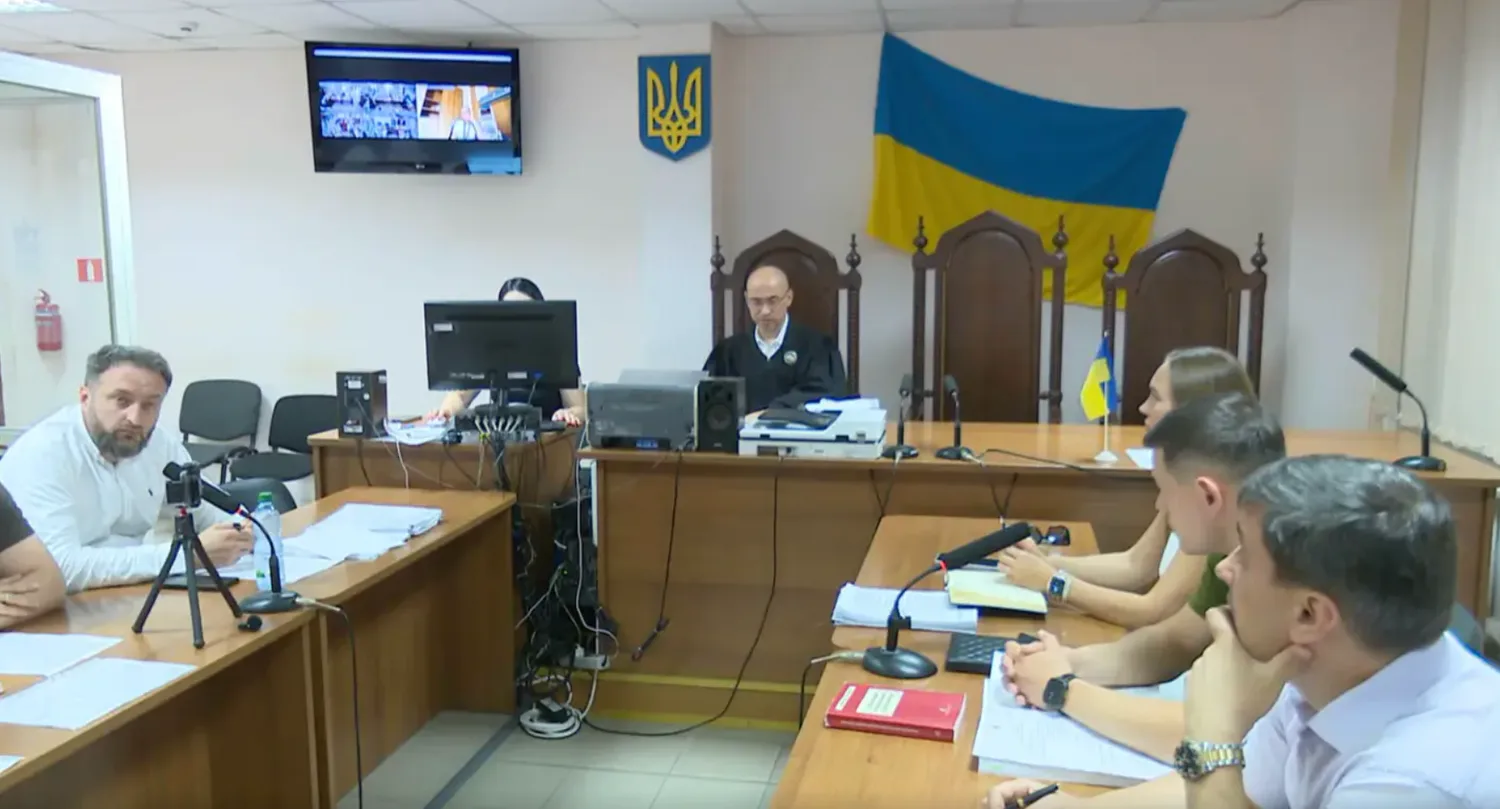
On April 7, the Verkhovna Rada passed bill No. 14005 with 250 votes in favor. Formally, it concerns the digitalization of enforcement proceedings. In reality, it means that from now on, notaries, registrars, or banks are obliged to check the Unified Register of Debtors automatically, and if your name is there — you won't be able to sell an apartment or car.
Why the law appeared now
The bill was registered twice: the Cabinet of Ministers submitted its own version (No. 9363) more than two years ago, but it stalled on the second reading. The new text, signed by deputy Motovolytsia, was registered on September 4, 2025 — and it passed much faster because the cost of delays became obvious.
Indicator 3.8 of the Ukraine Facility — that's how the EU plan designates this law — was supposed to take effect in the second quarter of 2025. This didn't happen. According to the Ministry of Economy's presentation, failure to meet only this one indicator, along with the judicial declaration reform, cost Ukraine €700 million in lost funding for the quarter. Overall, due to overdue indicators throughout 2025, Ukraine lost €3.6 billion in financing.
"Indicator 3.8 of the Ukraine Facility Plan provides for the entry into force of the law on enforcement of court decisions concerning property and non-property obligations and further digitalization of enforcement proceedings"
— explanatory note to bill No. 14005
What changes for ordinary people
Before the law was passed, the scheme was as follows: the debtor was formally listed in the register, but a notary could conduct a transaction if they didn't check current data — or checked selectively. Now register integration becomes mandatory and automated.
- Sale and pledging of property are blocked automatically — real estate, vehicles, securities — until the debt is fully repaid.
- Arrest is lifted automatically after repayment is confirmed — without waiting in line for the bailiff or submitting paper applications.
- Bailiffs receive data from banks and registers for free — accounts, property, income — in real time.
- All documents have qualified electronic signatures, proceedings are conducted online.
Parliamentary experts of the Council noted that some provisions go beyond "digitalization" and effectively strengthen restrictions on debtors' property rights. But this very part is most noticeable for millions of people with unpaid traffic fines, utility debts, or alimony.
Context: Money runs out in summer
Ukraine received the last tranche under the Ukraine Facility in December 2025. Without EU and IMF financing, a budget gap could emerge as early as this summer — and each missed indicator delays the next payment. Bill No. 14005 is one of several "loose ends" from previous quarters that the Rada is closing in expedited mode.
Other overdue indicators — the staffing of VACS (€0.3 billion) and the energy integration package (€0.3 billion) — remain unclosed. That is, passing the debtor law removes part of the blocking, but doesn't automatically unlock the next tranche: the European Commission assesses compliance by package, not individually.
The question is not whether digitalization will work — technically the system already exists. The question is whether the Rada will manage to close the remaining overdue indicators before the budget deficit becomes unmanageable — and whether the situation won't repeat where another "technical" law sits in committee for another two years.