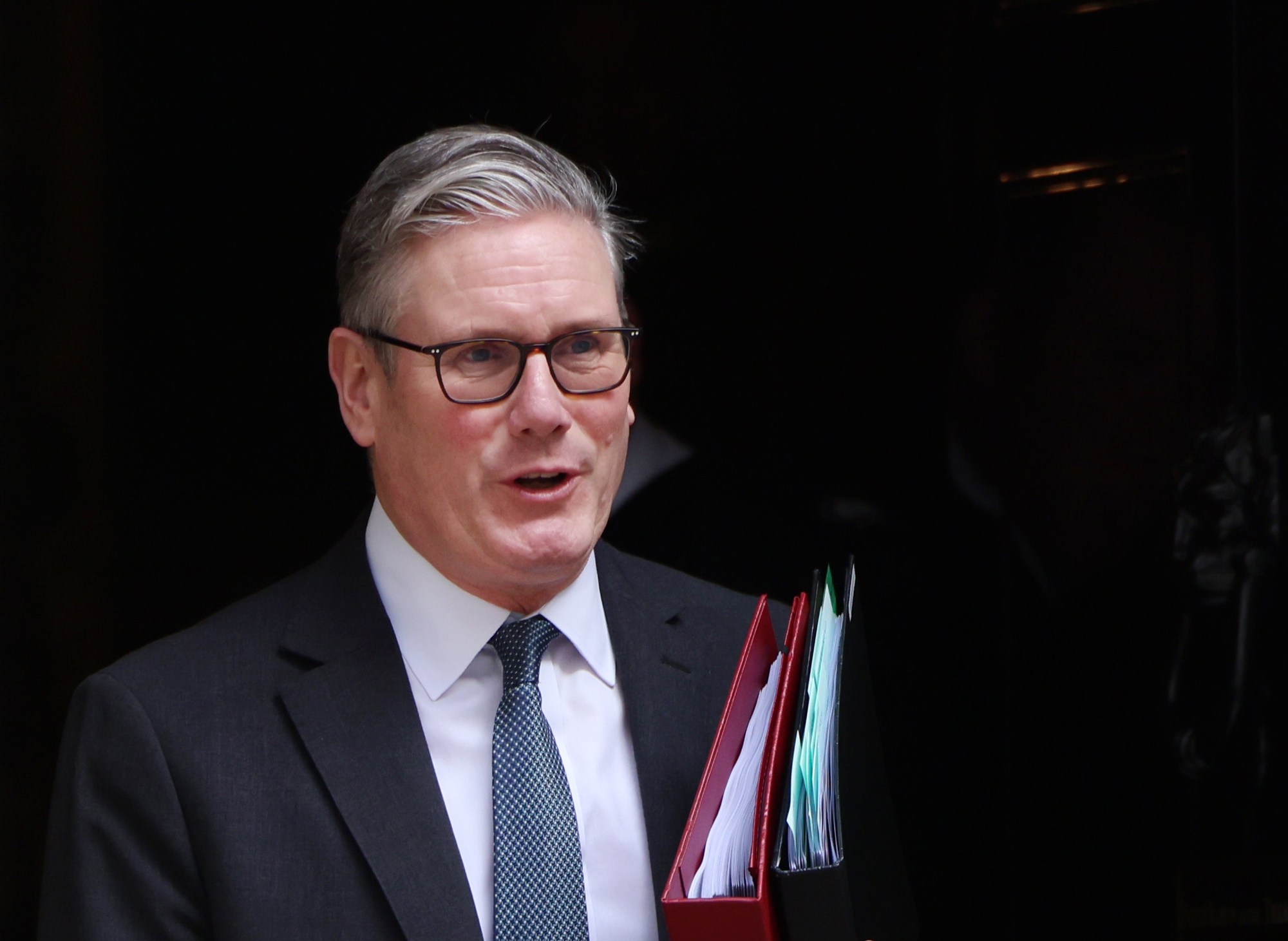
The UK government is considering legislative restrictions on social media for children under 16. The ban would cover TikTok, Snapchat, YouTube, Instagram, Facebook, and X. London is following Australia, which passed similar legislation in late 2024.
The real conflict here is not between "child protection" and "internet freedom" — that's an oversimplification. The contradiction runs deeper: the state wants to shift responsibility to platforms but lacks a reliable age verification tool that wouldn't simultaneously become mass biometric data collection of citizens.
The Australian model, which Britain is taking as a reference, places the burden on platforms to prove they have taken "reasonable measures" to block minors — fines for systemic violations reach 50 million Australian dollars. However, the first months after the law's passage showed that teenagers bypass restrictions via VPN in minutes, while platforms report "compliance with requirements."
UK researchers from the Internet Watch Foundation note that children in Britain encounter harmful content primarily not through accounts registered in their names, but through parental accounts or fake profiles with older ages. An age-based ban does not eliminate this problem — it merely shifts it.
Supporters of the law cite research by psychologist Jonathan Haidt, whose book "The Anxious Generation" became a benchmark in the debate: a sharp rise in anxiety disorders and depression among adolescents in 2012–2015 coincided with the widespread adoption of smartphones and algorithmic feeds. However, temporal correlation is not causation, and some researchers, including those from Oxford Internet Institute, dispute the strength of this correlation.
Platforms have already stated they support a "responsible approach" to child protection — a formulation vague enough to commit to nothing specific. Meta is promoting its own age verification system through parental accounts, which critics call marketing rather than protection.
A law that bans without an enforcement mechanism simply fixes the government's political position — but does not change platform behavior. The question is not whether a British law will appear, but whether it will include provisions for independent platform audits with public reporting. Without this, it will repeat the fate of dozens of European initiatives that remained mere statements of intent.







