Oil and gas prices in Europe will not return to pre-war levels at least until the end of 2027. This conclusion is contained in the European Commission's spring economic forecast, released following a meeting of eurozone finance ministers in Cyprus.
From 1.9% to 3.1%: What Changed
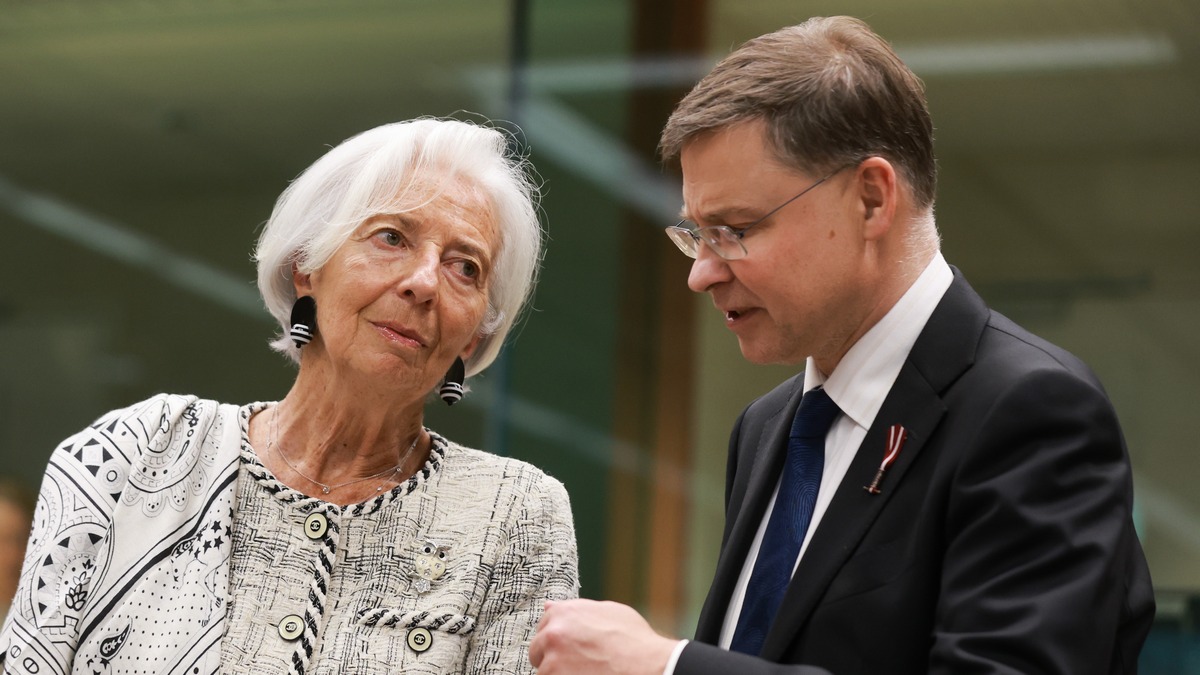
European Commissioner for Economy Valdis Dombrovskis explained the sharp revision of figures directly: energy carriers are the main driver. While just a few months ago the forecast for 2025 stood at 1.9%, it is now 3.1%. For 2027, 2.4% is expected, which still exceeds the ECB's target of 2%.
"We expect energy inflation to gradually flow into various sectors of the economy"
Valdis Dombrovskis, European Commissioner for Economy
The mechanism is simple: more expensive fuel means more expensive logistics, production, and utilities. The European Commission's forecast confirms: inflation is already spreading beyond fuel bills.
What This Means for People
Nominal wages in the eurozone will grow, however, according to the European Commission's calculations, the revision of the inflation forecast will already reduce real household incomes by 1.4 percentage points over the forecast horizon. In other words, money in accounts will increase, but it will buy less.
Consumer reactions are already visible: according to March and April survey data, household confidence has sharply deteriorated, and inflation expectations have risen. The European Commission forecasts that this will encourage people to save more — private consumption growth will slow to 1.1% in 2026.
The eurozone GDP growth forecast has also been revised downward: from the previous 1.4% to 0.9% in 2026, according to March ECB projections.
The ECB Between Inflation and Recession
ECB President Christine Lagarde warned: even if the Middle East conflict does not spread, prices will not return quickly — markets are already pricing in prolonged tension. At the same time, she rejects comparisons with the 1970s, calling the term "stagflation" too simplified for the current situation.
Analysts at The Conference Board point to a fundamental trap for the ECB: raising rates puts pressure on already weak growth, but inaction risks entrenching inflation expectations. At its March meeting, the regulator left the rate at 2%, noting "significantly greater uncertainty" in its rhetoric.
Why Not 2021–2022
The European Commission emphasizes three differences from the previous energy crisis: the EU has substantially reduced its dependence on fossil fuels, expanded renewable generation, and entered the crisis with a more mature business cycle. Therefore, despite a similar shock, the peak levels of 2021–2022 have not been reached so far.
However, the European Commission directly warns: a prolonged conflict and slower normalization of supply than embedded in futures will lead to even stronger inflation and weaker growth.
If by autumn oil futures do not turn downward and negotiations on the Middle East do not produce concrete results — the European Commission's next forecast revision could prove even more painful for the real incomes of Europeans.







