What happened
Money loves silence, but these figures are worth knowing. On 27 January European Lithium Limited (Australia) announced the acquisition of 100% of the shares of the American Velta Holding — a company engaged in the mining and processing of titanium feedstock in Ukraine. The deal was carried out in a cashless form: European Lithium will transfer approximately 173 million of its shares.
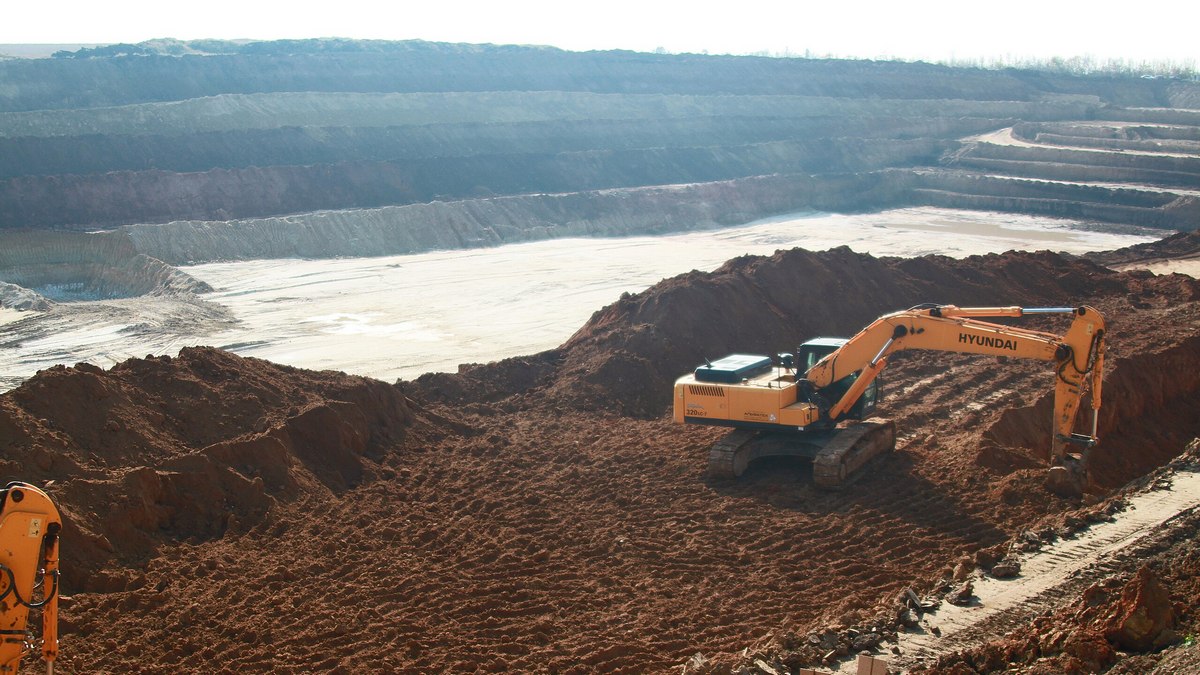
Velta owns the Byrzuliv Mining and Processing Plant and the Likarivske deposit in central Ukraine. The company specializes in the extraction of ilmenite and the development of technologies for the production of titanium powders — a material in demand in additive manufacturing and high‑tech production. By estimates, Velta controls about 2% of the global titanium feedstock market and is listed among the priority projects of the US–Ukraine Mineral Resources Agreement.
“The partnership with Velta Holding is an important step in expanding European Lithium's presence in the critical and strategic minerals market.”
— Tony Sage, Executive Chairman of European Lithium
Velta's management, under the leadership of CEO Andriy Brodskyi, will remain with the company and will be responsible for developing projects in Ukraine and the United States. Plans include the development of a CRM cluster in Kirovohrad Oblast and the creation in the US of a full production cycle: from extraction to the manufacture of metallic titanium and high value‑added powders.
“This is horizontal and vertical integration: a shift from a raw‑material model to the production of metallic titanium and critical materials with high added value. For Ukraine — investments, jobs, new technologies.”
— Andriy Brodskyi, CEO of Velta Holding
Why this matters for Ukraine
First, this is an investment in industrial infrastructure, not just a financial transaction. Retention of local management means that key decisions about the development of deposits and processing will be made in Ukraine, not solely abroad.
Second, vertical integration — from mining to powders and finished components — increases value added within the country, creates jobs, and reduces dependence on imported components. For partners in the EU and the US, this represents a transparent and reliable supply channel for critical materials.
Impact on the market and security
Titanium powders and metal are essential for aviation, the defense industry, and high‑tech manufacturing. Strengthening supply chains with Ukrainian assets contributes to the strategic resilience of allies — particularly in the context of EU and US efforts to diversify supplies of critical materials from sources independent of unfriendly states.
Risks and next steps
The deal opens opportunities but does not eliminate challenges: the implementation of industrial projects depends on financing, logistics, permitting procedures and, of course, guarantees for asset security during wartime. It is also necessary to consider commodity price volatility and competition for licenses (for example, in 2026 Velta bid for the Dobra lithium licence, but other investors prevailed — the Techmet and The Rock Holdings consortium).
In practice, the next steps are technical audits, agreement on investment plans, and the launch of infrastructure projects. For Ukraine, the key is to translate statements into signed contracts that will guarantee jobs and technological development in the region.
Conclusion
This deal is an example of how private investment can become a tool for economic recovery and strengthening strategic autonomy. Now the ball is in the partners’ court: moving from announcements to the implementation of projects that will provide real added value to Ukraine and raise its role in global critical materials supply chains.







