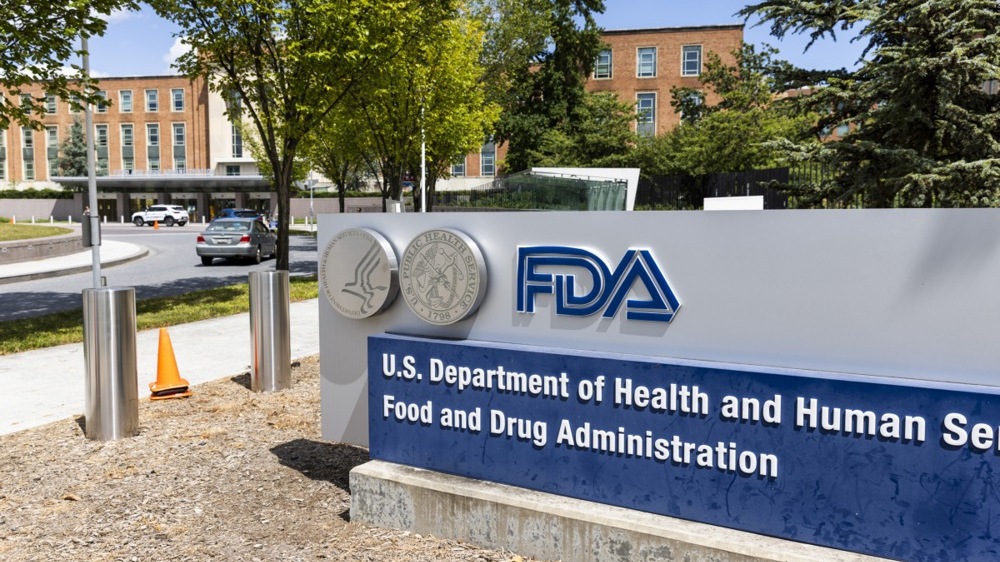
The U.S. Food and Drug Administration (FDA) has authorized the use of the Flow Neuroscience FL-100 device at home for the treatment of depression. This is the first device of its kind to receive approval in the United States.
Essence of the FDA approval
The FL-100 uses a weak electrical current targeted at brain regions responsible for mood regulation. The device is intended for home use under remote monitoring by clinicians.
Indications and studies
Its use is approved for the treatment of moderate and severe forms of major depressive disorder in patients aged 18 and older, either as monotherapy or in combination with other treatments. The company plans to bring the device to the U.S. market in the second quarter of 2026; it will be available by prescription.
The regulator’s decision is based on data from an interim clinical trial in which 58% of participants achieved remission after ten weeks of therapy. The company also reports more than 55,000 users of the device during its use in Europe, the United Kingdom, Switzerland and Hong Kong.
Price, launch and risks
Chief Executive Officer Erin Lee said the estimated U.S. retail price will be approximately $500–$800. The company is negotiating with insurance providers and expects to announce a coverage agreement in early 2026.
The therapy consists of a 12-week course, with each session lasting about 30 minutes. Reported adverse effects include skin irritation, headache and tingling at the electrode sites; skin burns occurred with repeated use or if electrodes dried out.
- A new study found that walking, jogging, yoga and strength training were associated with the greatest relief of depressive symptoms.







