Why it matters
In high diplomacy and economics, resilience of infrastructure matters more than loud statements. When a key export producer is left without guaranteed electricity, it immediately affects logistics, regional revenues and taxpayers. Ferrexpo is one of Ukraine’s largest iron ore producers; a temporary halt in its operations matters not only to shareholders but also to hundreds of employees and metallurgical supply chains.
What happened
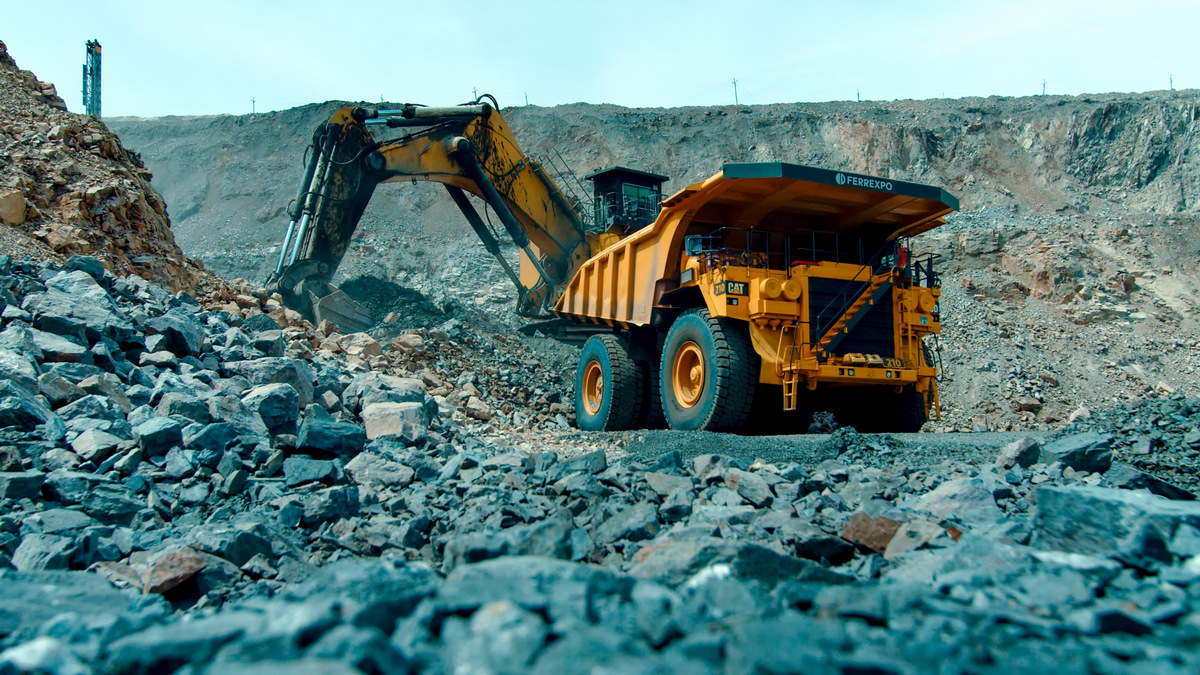
Ferrexpo plc announced on its website a decision to temporarily suspend operational activity at some of its assets due to power outages caused by Russian strikes on Ukraine’s power system. The company said it had moved part of its staff to idle status until stable energy supplies are restored.
"Until electricity supply is guaranteed on a stable basis and in the necessary volumes, a decision has been made to temporarily suspend operational activity and move some employees to idle status."
— Ferrexpo plc, press release
Impact on production and logistics
The company produces pellets and concentrate; its main capacities are located in Poltava region (the Poltava and Yerystivskyi mining and processing complexes, as well as the Bilanivskyi complex through structural ties). In 2025 Ferrexpo’s production fell by 9% — to 6.1 million tonnes, compared with 6.89 million tonnes in 2024. Massive strikes on the energy sector and restrictions on exports via the Black Sea forced the company to reorient to rail transport, which increased costs and reduced transport efficiency.
Owners, investors and reputational risks
The ownership structure is complex: Swiss Ferrexpo AG owns the mining and processing complexes; British Ferrexpo plc is the parent company, and the ultimate beneficiary is registered in Luxembourg (Fevamotinico S.a.r.l.) — listed as Kostiantyn Zhevago, who has been subject to sanctions in Ukraine. Among Ferrexpo plc’s investors are international financial players (BlackRock, BNP Paribas, JPMorgan, Saxo Bank) — and the company’s shares are traded on the London Stock Exchange. The very fact of the suspension intensifies questions about the resilience of supply chains for investors and partners.
Risks and consequences for the region and the country
Short term: the halt leads to idle workers, reduced operating receipts and lower freight volumes on the railway. Medium term: lower export volumes and higher logistics costs may affect raw material supplies to metallurgical enterprises and tax revenues from the mining sector. It also sends a signal to foreign investors about the vulnerability of critical infrastructure during energy strikes.
What to monitor
1) Stability of power supply in Poltava region and guarantees for industrial consumers; 2) the pace of Ferrexpo’s production recovery and the timetable for returning employees to full operation; 3) changes in logistics — whether some cargo will return to sea routes after security stabilizes in the Black Sea; 4) the state’s response regarding support for regional employment and infrastructure.
For now this is not just a story about one company — it is an indicator of how energy security is turning into an economic issue. Whether the measures taken will be sufficient to avoid repeated stoppages and protect jobs is a question for energy policy, industrial operators and international partners.







