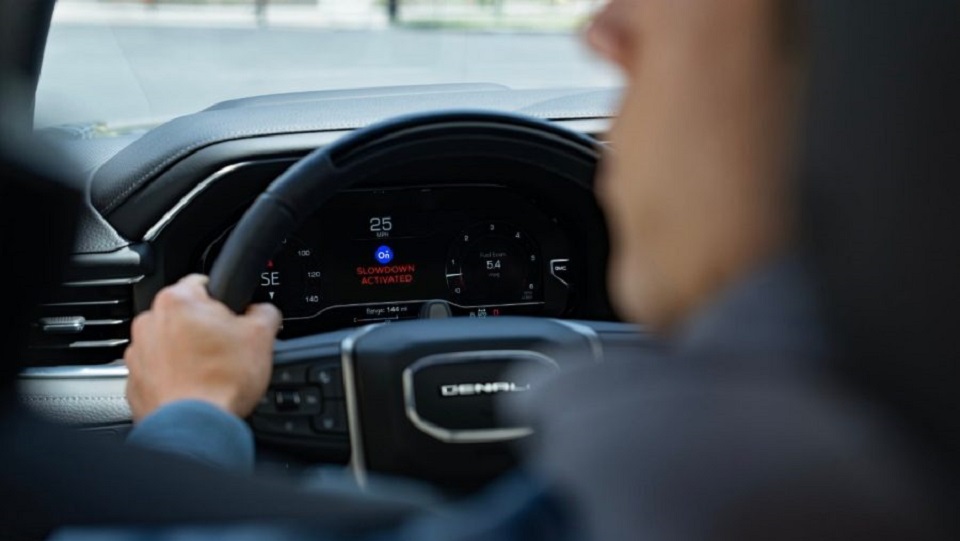
Last year, General Motors proudly announced the integration of Google Gemini into millions of Cadillac, Chevrolet, Buick, and GMC vehicles. Now the company is essentially admitting: it's not enough. By the end of 2026, GM will launch its own AI assistant, embedded more deeply into the vehicle than any universal chatbot.
The issue is practical limitations. Gemini can hold conversations, turn on climate control or music — but lacks access to telemetry, service history, or specific data about individual vehicles. Anna Santos, General Motors' director of voice services and AI product management, explains: the new assistant will combine conversational AI with knowledge about GM vehicles and OnStar service capabilities.
What this means for the owner
In practice, this represents a shift from a "smart speaker on wheels" to a system that truly understands what's happening with a specific vehicle. The assistant will be able to account for driving style, trip history, and the condition of vehicle components — meaning it won't just execute commands, but propose solutions.
GM is also working with an unnamed large language model developer on predictive maintenance features — a system that could theoretically warn of a malfunction before it becomes a problem on the road.
Later this year we will launch a more deeply integrated native AI assistant that will combine conversational artificial intelligence with knowledge about GM vehicles and OnStar capabilities, said Anna Santos.
Two assistants in one vehicle
Notably, GM is not abandoning Gemini — both systems will likely work in parallel, each serving its own purposes. Google provides universality and natural conversation, while GM's own AI offers deep integration with the hardware. This is more of an acknowledgment that no vendor currently addresses both needs simultaneously.
For the industry, this signals: automakers no longer want to completely cede control of the vehicle's "brain" to third-party AI companies, even while collaborating with them. GM is already assembling a team for AI-native development — from cloud engineering to creating its own agents.
The question is whether GM can keep pace with the speed of competition: while the automaker develops its own system over years, Google updates Gemini for millions of devices simultaneously. Will GM be able to launch functionality that justifies separate development, rather than simply duplicating what Gemini already does?