What happened
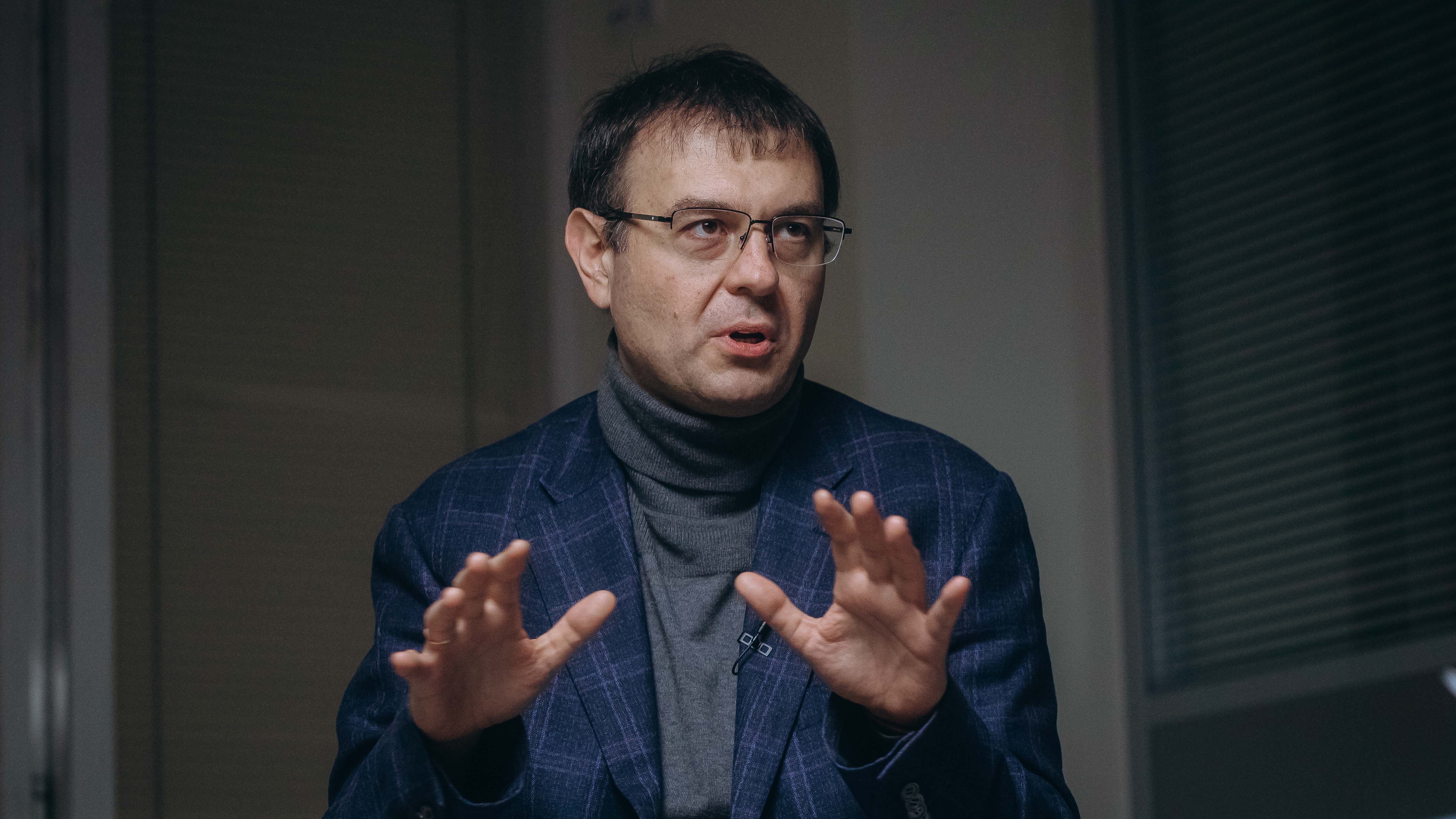
The head of the Verkhovna Rada’s Finance Committee, Danylo Hetmantsev, hinted on Telegram that the well-known restaurant “BashA Kitchen” in Zhovkva may be evading taxes. According to him, the venue — famous for mass events, including preparing and handing out nearly 33,000 portions of barbecue on October 26 and setting a record for the longest queue — formally operates as an FOP (individual entrepreneur) of the 2nd group, even though the scale of its operations and a team of more than 50 people do not match that status.
"Its owner sets world records, has a team of over 50 people and revenues clearly not for an FOP of the 2nd group. Yet he pays taxes reluctantly: in October only three employees were officially registered with minimum wages. If the tax office in Lviv region does not notice this — then we notice!"
— Danylo Hetmantsev, head of the Verkhovna Rada’s Finance Committee
Why this matters for the budget and business
Hetmantsev cited this episode in the context of law No. 4536, which tightened requirements for average wages and encouraged bringing part of the market out of the shadow economy. According to his data, as of November 1, 2025 the payment of personal income tax (PIT) in food-service establishments rose by 60.4% compared with the previous period.
Comparative statistics also show changes in the wage structure: the number of employees with salaries above 16,000 UAH increased by 10.5 times, while the number of employees earning less than 8,000 UAH decreased by 11.1%. This signals a real correction in the sector’s employment model — some businesses either raise official wages or lose the competitive advantages of shadow schemes.
This is not an abstract story for the reader: taxes fund social services, infrastructure and defense. Fair competition in the food-service market above all means protecting small businesses that operate legally and reducing pressure on taxpayers.
Reaction and possible consequences
Several deputies from the “Servant of the People” faction said on December 3 that the issue of introducing VAT for FOPs is currently not under consideration. This is important: the discussion about fiscal changes continues, but for now the emphasis is on enforcing rules that have already been adopted.
If control authorities confirm a mismatch between the establishment’s registered status and its actual volume of activity, this could lead to additional tax assessments, fines and reputational damage for the business. If inspections find no violations, the case risks turning into a political spat. Both scenarios have consequences for the market and trust between business and the state.
"I support small business if it is truly small. But if the volumes are significantly larger — one should not use schemes of splitting into FOPs and evade paying taxes. Fair competition is always better than fear and shadow schemes."
— Danylo Hetmantsev, head of the Verkhovna Rada’s Finance Committee
What’s next
The most likely next step is tax inspections and a public clarification of “BashA Kitchen’s” status. For the market, the result of the specific case is less important than the signal it sends: whether the state is capable of effectively applying new rules and protecting those who operate honestly.
The question is simple and practical: will this case become a reason to restore trust between business and the state or another point of tension in the public sphere? The answer will determine how quickly the food-service market adapts to the new requirements and restores competitive balance.







