Money loves silence, but these figures are worth knowing
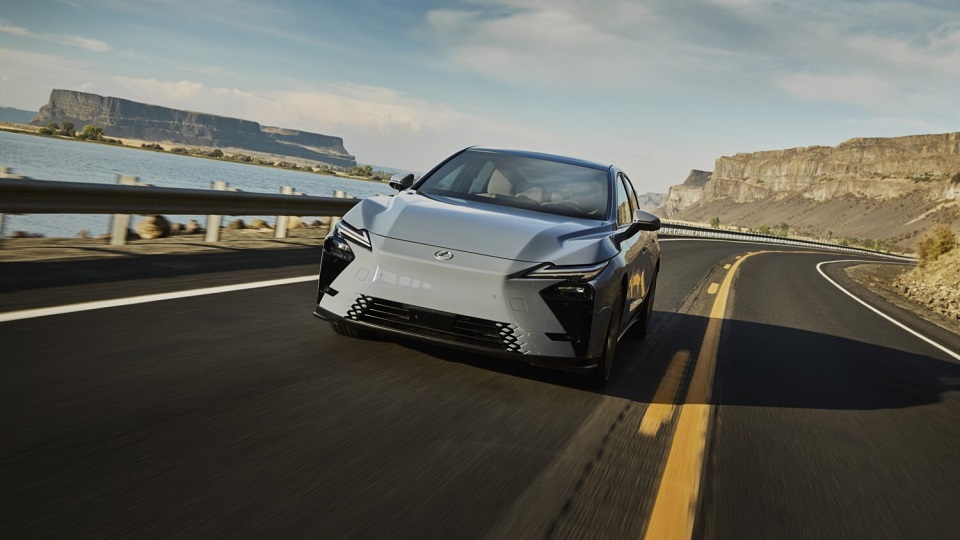
According to Investing and Bloomberg, Toyota Motor Corp.'s Lexus brand is forecasting record sales in the U.S. in 2025: deliveries are expected to rise by roughly 5% and exceed 360,000 vehicles. This is happening despite tariffs from the Donald Trump administration and other logistical challenges.
Demand despite tariffs: what's working for Lexus
The key reason is a relaunch of the model lineup and an expansion of crossover and SUV offerings. These segments now account for more than 80% of the brand's sales, and the mid-size RX remains the bestseller. Analysts point out that adapting to American buyers' tastes is delivering results, even when external conditions are difficult.
"They filled all the gaps in their range with crossovers and SUVs. Lexus has everything, from small to large vehicles, both on car platforms and truck platforms."
— Sam Fiorani, analyst, AutoForecast Solutions LLC
Shortages and buyer behavior
Demand is so high that some buyers are willing to wait months or drive hundreds of miles to get a car. This is not just a "trend" — it's a sign of the purchasing power of the premium segment and the effectiveness of Lexus's product strategy.
"These cars are really, really hard to find. I flew 500 miles one way to get it."
— Brock Jondro, buyer (Charleston, South Carolina)
"We just can't keep up with demand."
— Cody Goodman, general sales manager, Hendrick Lexus (Charleston)
Constraints and risks
Together with strong demand there are constraints: Toyota's production capacity could limit further growth in shipments. In November Nikkei estimated that the seven largest Japanese automakers lost about $9.74 billion due to U.S. tariffs — the first drop in profits since the pandemic. This shows that demand and profits do not always move in step.
Broader context
The expansion of the electric vehicle market is also reshuffling the landscape: Nikkei reported that BYD overtook Tesla in electric vehicle production volume in 2025. For traditional brands, this is both a challenge and an incentive to refresh product portfolios.
- According to Nikkei, the seven largest Japanese automakers lost about $9.74 billion due to U.S. tariffs.
- Chinese BYD overtook Tesla in 2025 to become the world's largest electric vehicle manufacturer.
What does this mean for Ukraine?
The direct line between rising Lexus sales in the U.S. and Ukraine is small, but there is an important intermediate takeaway: stable demand in large economies strengthens global supply chains, investment confidence, and trade opportunities — factors that indirectly affect the economic resilience of partners. Strong and adaptive manufacturers mean fewer shocks in global supplies and more room for planning, including for countries that depend on external support.
Conclusion
Lexus's record expectations are a story about product adaptation, the strength of the premium segment, and the limits of production capacity. The question for manufacturers now is whether they can turn this demand into real deliveries without losing margin or exacerbating tensions in supply chains.