When a Ukrainian brigade awaits a shipment of ammunition or spare parts for armored vehicles, behind the scenes of this process stands not only the manufacturing plant but an entire bureaucratic machine that decides where, when, and at whose expense this equipment will be sent to the front. This very machine is now being taken apart and reassembled—without grand announcements, but with tangible consequences for the pace and cost of military aid.
What exactly is changing
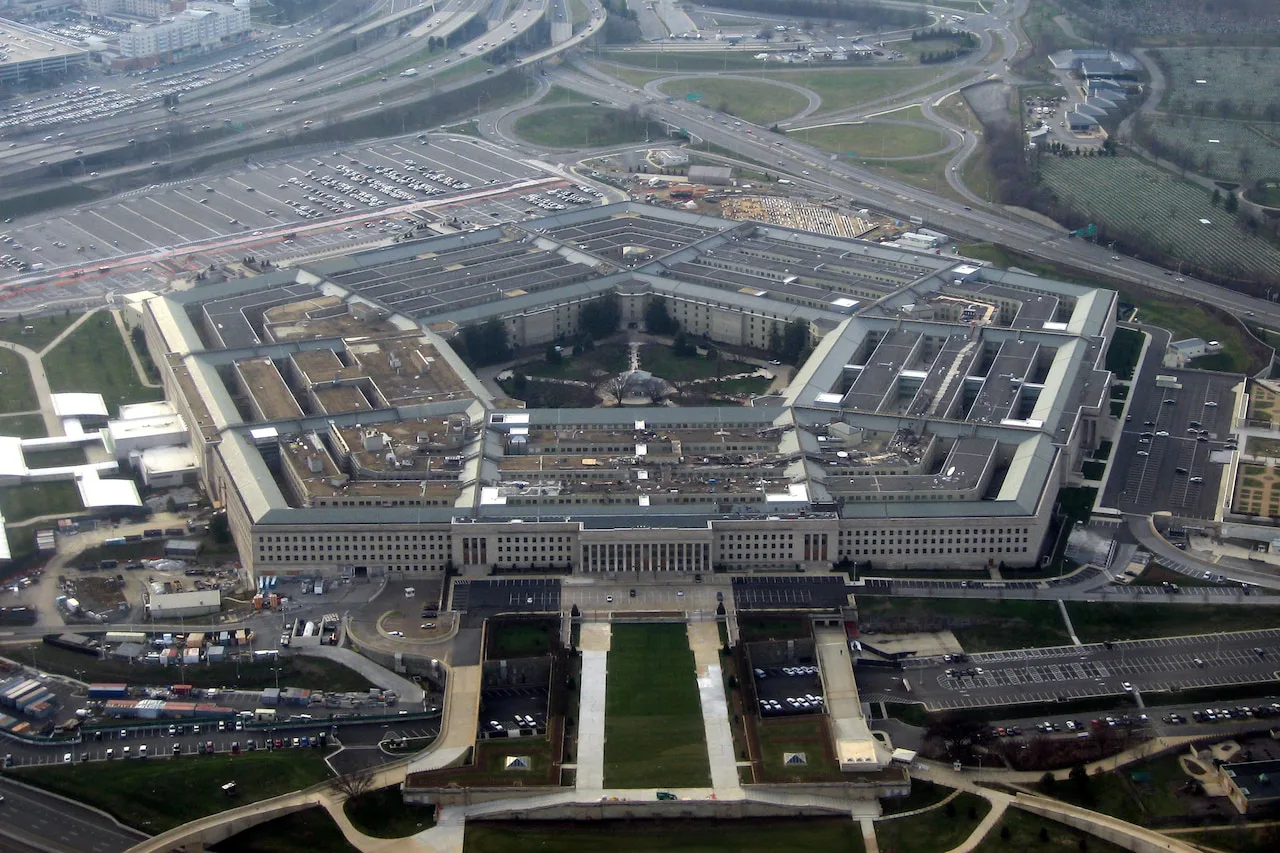
The Pentagon is relinquishing control of the Ukraine Security Assistance Group (SAG-U)—a command based in Wiesbaden, Germany, which since November 2022 has coordinated the supply of Western weapons to Ukraine, military training, and logistical support. According to sources cited by Politico, command will transfer to a European or Canadian general, with the transition lasting up to a year. Another NATO member will ultimately assume leadership of the Security Assistance Group, which has played a central role in equipping and training Ukrainian forces since the beginning of Russia's full-scale invasion.
Formally, the structure was always intended to be temporary: according to a Pentagon statement, these efforts are aimed at redistributing the burden within the Alliance to support Ukraine and aligning U.S. resources with the National Defense Strategy. In other words, American funds and officers who previously went toward coordinating aid to Kyiv will now be directed toward other Pentagon priorities—and this is no longer a matter of symbolism but a budgetary choice.
The price of logistics measured in people and time
SAG-U is not an abstract structure but a concrete staff: according to NATO data, in 2023 the coordination center in Wiesbaden employed representatives from 22 allied and partner countries, with the group itself numbering hundreds of American officers responsible for equipment accounting, supply routes, and training programs. Every link in this chain determines the speed at which ammunition, missiles, or spare parts reach brigades at the front.
The European side insists that the change in leadership will not affect timelines: the leadership transition will take up to a year, but it will not interrupt work with Ukraine, and U.S. European Command will remain engaged through an American deputy. However, a bureaucratic transition within a structure that handles supplies worth billions of dollars daily rarely occurs without friction—and this friction will be most costly to those waiting for aid in the trenches.
A view from Kyiv: less dependence, more bureaucracy
In the Ukrainian capital, this change is assessed with mixed opinions. On one hand, stepping out from under direct dependence on Washington's mood appears to be insurance for the future.
"For us, this step has more advantages than disadvantages. It reduces risks for us that could arise from political turbulence in the United States and eases military logistics in Ukraine's interests," said a Ukrainian official.
On the other hand, there remains the question of what can replace distinctly American capabilities that cannot be bought or transferred by decree.
"No one can replace American capabilities in satellite intelligence, targeting, and U.S. heavy transport aircraft logistics," warned another official in Kyiv.
Here lies the economic essence of the problem: Europe has not yet developed satellite intelligence, communications, and transport aviation on such a scale—and any delay in replacing them translates into delays in supplies, and consequently, into the actual price paid by the front.
Part of a broader trend
Wiesbaden is neither the first nor the last example. Earlier this year, the United States already announced the withdrawal of part of its senior military command from the continent and transferred control of NATO's Joint Command Center in Norfolk to Great Britain. Italy will assume command in Naples, while Germany and Poland will take joint command in Brunssum. Each such transfer means one thing: the American military budget is gradually being freed from European commitments, and the bill for maintaining infrastructure is passed to allies.
At the rhetorical level, U.S. Defense Secretary Pete Hegseth emphasized this, telling NATO colleagues that U.S. allies "need to step up," and NATO over two administrations "has been a paper tiger and a one-way street."
What this means next
European capitals receive not only the command flag but also the bill for its maintenance—financing the staff, logistical routes, and part of the intelligence functions that the American budget previously de facto subsidized. If this bill is paid promptly and without bureaucratic delays, the change will go unnoticed in Kyiv. If not—it is the speed at which Europe can finance the replacement of American satellite intelligence and heavy transport aircraft capabilities, not the flag on the building in Wiesbaden, that will determine how much more expensive this war becomes for Ukraine already this autumn.