Briefly
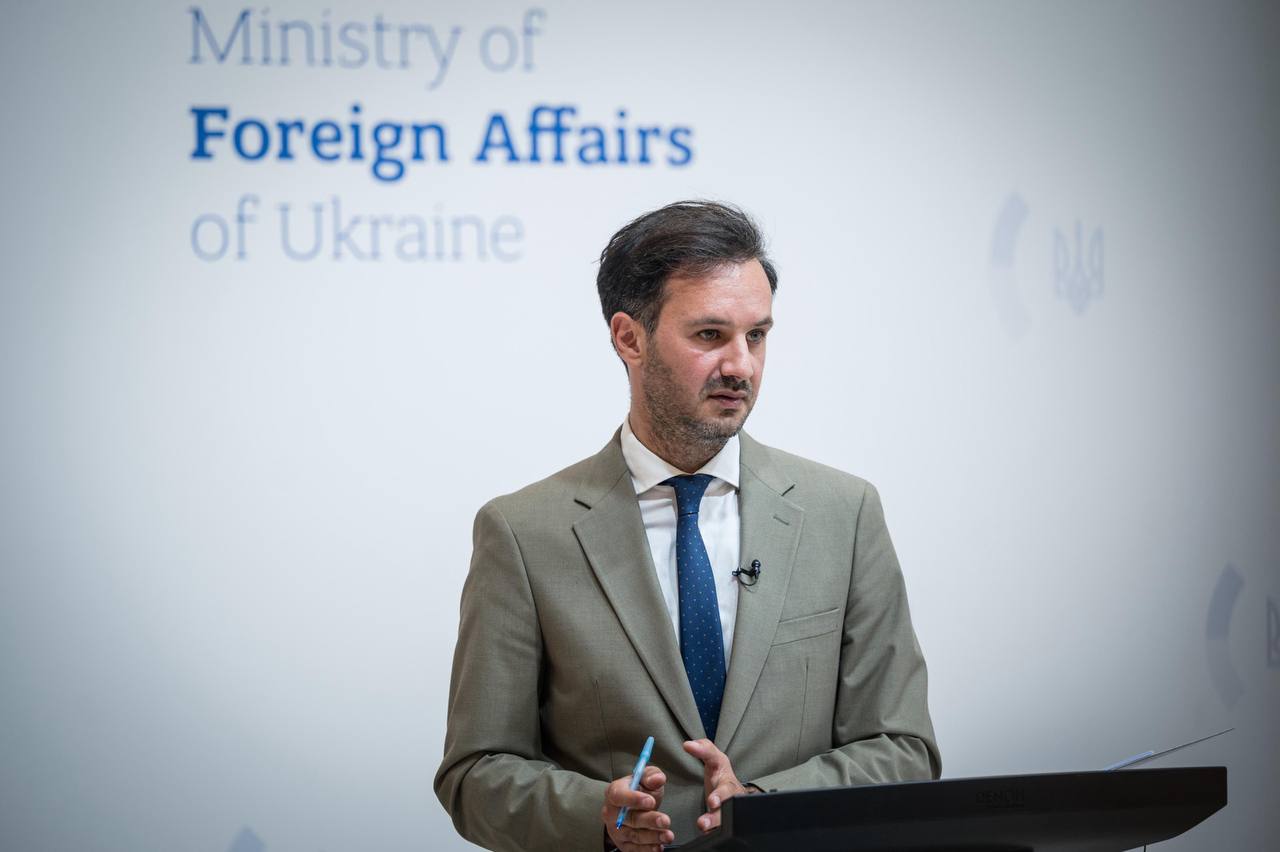
The Ministry of Foreign Affairs of Ukraine rejected Hungary's accusations that Kyiv is allegedly deliberately delaying the restoration of oil transit through the Druzhba pipeline. Foreign Ministry spokesman Heorhiy Tykhyi emphasized that the disruptions were caused by a Russian strike on infrastructure and that Budapest's criticism does not take this context into account.
What happened
On 27 January Russian forces attacked facilities of the Druzhba pipeline in Lviv region, damaging critical equipment and halting oil pumping. On 18 February Hungary and Slovakia announced the suspension of diesel exports to Ukraine in response to the transit stoppage.
Ukraine's position
“In this situation it seems odd to us... the absence of statements from the Hungarian side clearly attributing that Russia shelled the pipeline — their beloved oil 'needle'. And now, for some reason, statements are being made accusing Ukraine. This is completely illogical behavior.”
— Heorhiy Tykhyi, Foreign Ministry spokesman
Tykhyi added that Hungary's dependence on Russian oil he compares to “addiction,” referring to the political and technical vulnerability of countries, the long transition from a single supplier, and the unwillingness to seek alternatives.
Technical and legal nuances
The transit contract between Ukrtransnafta and Transneft was extended in 2019 and formally runs until 1 January 2030. However, the physical capacity to pump depends on the condition of equipment after the damage, not solely on legal arrangements. Ukraine stresses that alternative routes for deliveries to the region exist — in particular the Adria pipeline, which, according to the spokesman, “is ready for use.”
Neighbors' position and consequences
Hungary and Slovakia say the transit halt is the result of Ukraine's actions. Kyiv insists this is the consequence of a direct Russian attack, not a deliberate blockade. The consequence for the region is a sharpening of energy security issues and an acceleration of decisions on supply diversification.
Why this matters for a Ukrainian reader
This is not only a diplomatic dispute. The question of transit and its restoration affects regional stability, fuel supply logistics and, ultimately, the prices and availability of energy carriers in border regions. Ukraine records the attack on infrastructure and expects a business-oriented response from partners — from dialogue to practical steps to secure alternative routes.
“But, unfortunately, we do not see attempts to free themselves from dependence on Russian oil; on the contrary — contrary to European Union policy — we see attempts to remain on that needle as long as possible. It resembles drug addiction.”
— Heorhiy Tykhyi, Foreign Ministry spokesman
Conclusion
This episode underlines three important things: first, the physical security of energy infrastructure is a matter of national security; second, legal obligations and the real capabilities for repair and transport are different things; third, for Ukraine's neighbors the issue is a reminder of the need for energy diversification. The ball is now in the partners' court: will diplomatic statements turn into concrete steps to restore transit or into projects that will free the region from Russia's “oil needle”?







