What happened
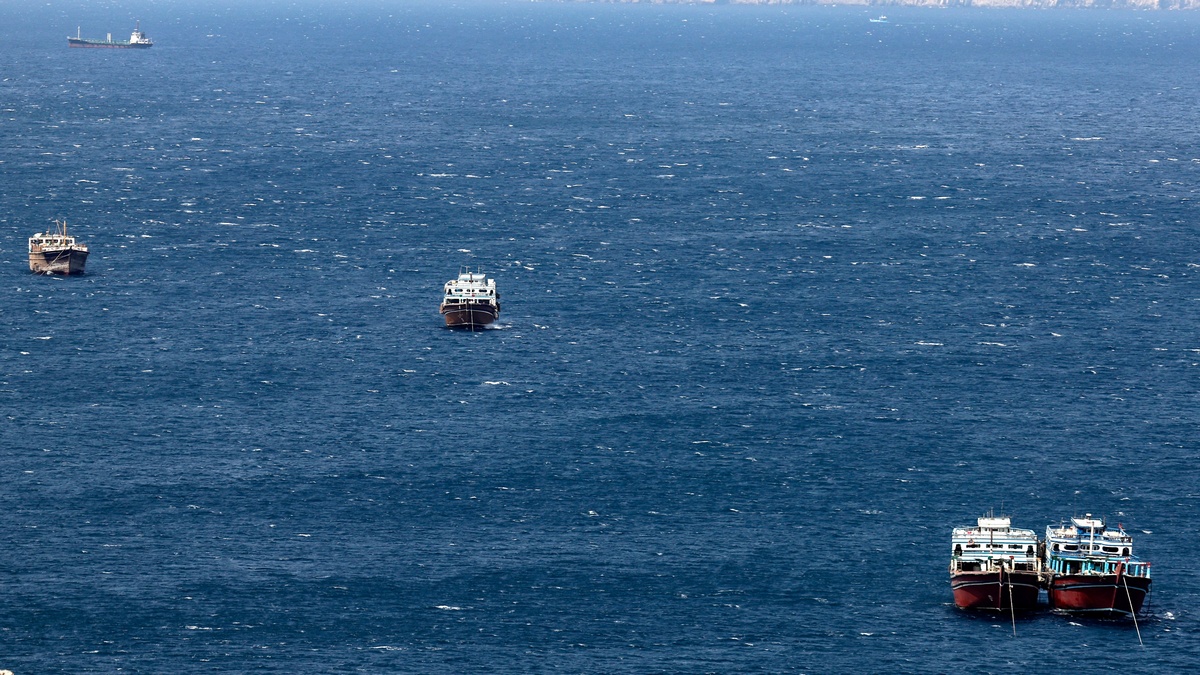
According to the Financial Times, in the first trading session after strikes on Iran oil prices jumped sharply: the benchmark Brent surged by about 13% — to $82.37 a barrel, then pulled back slightly below $80. Ship traffic in the area of the Strait of Hormuz — the narrow corridor through which up to 20% of the world’s oil and gas supplies pass — effectively came to a halt.
Why it matters
Disruptions to flows from the Persian Gulf quickly show up in prices and market expectations. The danger is not only a possible temporary rise in fuel costs: a more serious threat is damage to or disablement of key production and transport infrastructure, which would lead to a longer-lasting shortage and greater volatility.
“The consequences of this conflict for the global economy depend on oil and gas flows through the Strait of Hormuz. The worst-case scenario is not its closure, but serious damage to the region’s key oil and gas infrastructure.”
— Norbert Ryuker, head of the economics unit at Julius Baer
What it means for Ukraine
The channels of impact on our country are simple and concrete: higher oil prices raise energy costs, accelerate inflation and increase logistics costs for imports — which affects both consumer prices and the defense budget. At the same time, rising prices can create additional financial signals for partners deciding on aid or investment.
A partial buffer could be the OPEC+ decision of March 1 to increase production quotas by 206,000 barrels per day from April — but that figure is negligible compared with potential disruptions from large-scale infrastructure damage.
Brief conclusion
The market reacts quickly: price is a signal, not a verdict. For Ukraine it is important to read this signal as another argument in favor of diversifying supplies, building up strategic reserves and improving energy efficiency. While the market looks for support, our task is to minimize domestic risks and maintain ties with partners who can help smooth the effects of energy shocks.
Sources: Financial Times; comment by Norbert Ryuker (Julius Baer); OPEC+ decision of March 1.