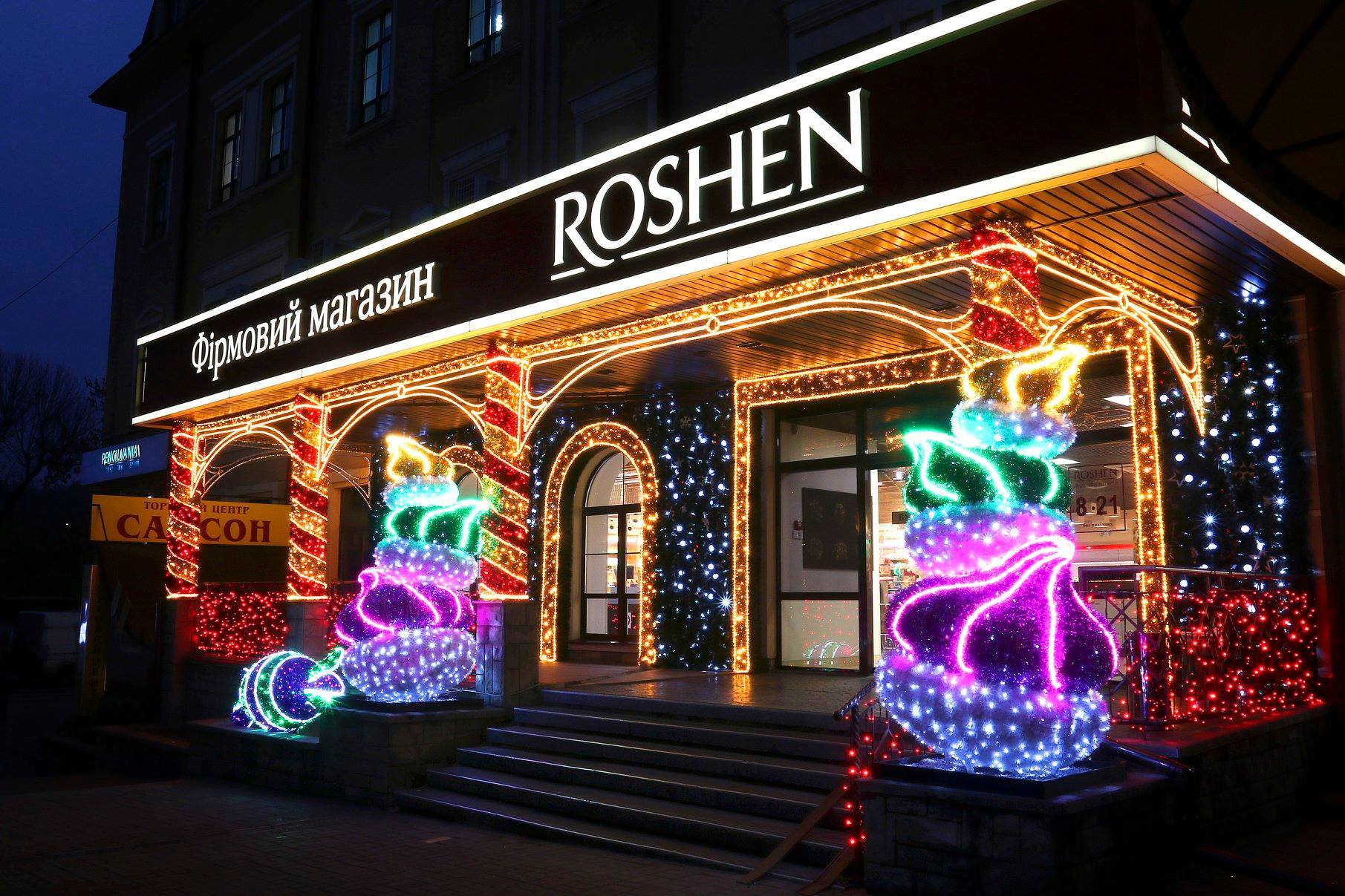
Ukraine's confectionery industry in 2024 recorded over 75 billion hrn in total revenue and 8.6 billion hrn in profit — with 92% of this profit going to a single corporation. According to data from the analytical platform VKURSI, of 272 registered producers of cocoa, chocolate, and sugar confections, only 136 ended the year in profit, while 41 posted losses.
Roshen's numbers — and everyone else
Revenue from six major enterprises of the Roshen corporation in 2024 grew by 15.4% to 46.4 billion hrn. The main operating structure of the group, State Enterprise "Confectionery Corporation Roshen," alone generated 37.3 billion hrn in revenue and net profit of 6.4 billion hrn — an increase of 15.1%. Combined with affiliated group enterprises — the Vinnytsia Dairy Plant (226.7 million hrn in profit), the Kremenchuk Factory (14.9 million hrn), and others — the group's aggregate result approaches 7.9 billion hrn. This explains the 92% share of the industry indicator.
By comparison, Kharkiv-based "Biskvit-Shokolad," which rose to second place in the market over several years of war after competitors lost production capacity in occupied territories, controls less than 8% of the market by volume. AVK and "Konti" — former contenders for market leadership — significantly reduced their presence after losing production facilities in Donbas and Luhansk region.
Why concentration grew right now
The market structure changed not through aggressive acquisitions, but through the geography of destruction. Production capacities of "Konti," AVK, and a number of smaller players were concentrated in the east — and after 2014–2022, either ended up in occupied territories or suffered direct destruction. Roshen, in contrast, preserved its main production facilities in Vinnytsia, Kyiv, and Kremenchuk.
In parallel, the corporation is actively increasing exports. According to the global Candy Industry ranking, Roshen is among the world's top-15 confectionery companies — and is the only Ukrainian representative on this list.
"The Ukrainian candy market is divided into three categories. Each manufacturer is strong in its own segment: chocolate, baked goods. The leader in all categories is Roshen."
Galinfo / State Statistics Service data
What 92% means for the market itself
High profit concentration is not the same as price monopoly or lack of competition. But it creates several practical consequences:
- Investment imbalance: small and medium confectioners, most of which either broke even or posted losses, lack resources for modernization and lose out in logistics and marketing.
- Risk of dependence on one player: if Roshen faces disruptions — through shelling, logistics, or ownership change (the corporation belongs to Oleksii Poroshenko) — the industry has no equivalent production capacity reserve.
- Foreign capital paradox: 17 companies with foreign beneficiaries are present in the market, but according to VKURSI data, foreign capital does not dominate — which limits the inflow of external investment to Roshen's competitors.
If confectionery production facilities in deoccupied territories begin to recover after the active phase of the war ends — will the market be able to redistribute profit more evenly again, or has the "one player — all profit" structure already become the new normal?







