In the morning of May 13, the Main Intelligence Directorate of the Ministry of Defense confirmed that Russia is carrying out a combined prolonged air strike against critical Ukrainian infrastructure. The attack is two-phase — and this is not by chance.
The Logic of the Strike: First Drones, Then Missiles
In the first wave, the enemy deploys a massive number of unmanned aircraft — Shahed-type, "Gerber," "Italmas," and "Parody" decoys. According to the Air Force, on the night of May 13 alone, Russia launched 139 strike drones from the directions of Kursk, Bryansk, Millerovo, Primorsko-Akhtarsk, and from occupied Crimea.
"The first stage is overloading the air defense system and striking civilian targets. The next step will be the use of air-launched and sea-launched cruise missiles, as well as ballistic missiles."
— Main Intelligence Directorate of Ukraine's Ministry of Defense, May 13, 2025
The main stated targets are energy facilities, defense industry enterprises, and administrative buildings in major cities. The "first drones, then missiles" tactic allows the enemy to exhaust air defense resources on relatively inexpensive targets, then strike expensive missiles at facilities that are already less protected.
What is Already Known About the Consequences
- Dnipropetrovsk region (Kryvyi Rih): eight killed, 11 wounded — the heaviest losses of the night.
- Poltava: a drone hit an electrical substation, leaving over 7,000 people without power.
- Kharkiv: strikes in two districts — Kholodnohirsky and Kyiv districts, infrastructure facility damaged, fires occurred.
- Odesa region: industrial infrastructure attacked, warehouse facilities damaged.
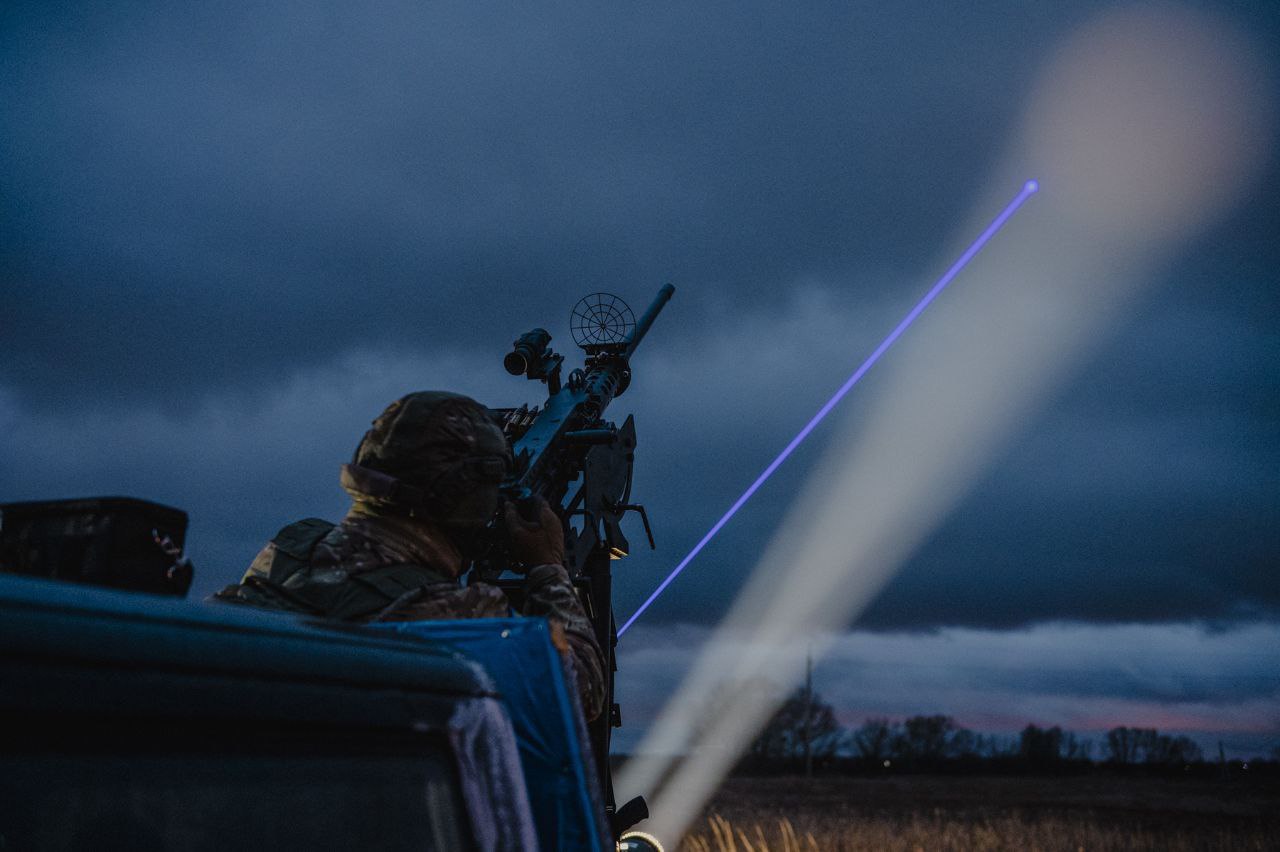
The Ukrainian Air Force deployed aviation, air defense missile forces, electronic warfare units, and mobile fire groups. Most drones were shot down, but 20 strikes were confirmed.
Context: First Massive Attack After the "Ceasefire"
During May 9–11, Russia declared a unilateral "ceasefire" and refrained from massive strikes. According to military-political analyst Alexander Kovalenko, the enemy used this time to accumulate missiles and unmanned aircraft. Colonel Yuriy Ignat, head of the Air Force Communications Department, warned on May 12 during the telethon broadcast: redeployment of Russian tactical aviation to distant airfields is being recorded — a classic preparatory step before a massive strike.
The Main Intelligence Directorate adds that in this way, Russia, which rejected ceasefire proposals, is attempting to undermine Ukrainian resilience. As reported by RBC Ukraine, from 19:30 on May 13, the enemy launched a new wave — 145 Shaheds and an Iskander-M/KN-23 ballistic missile from Crimea.
If the second missile phase is confirmed by strikes on energy infrastructure, Ukraine could enter summer with a new capacity deficit — precisely when the repair window after winter seemed promising.





