What was adopted
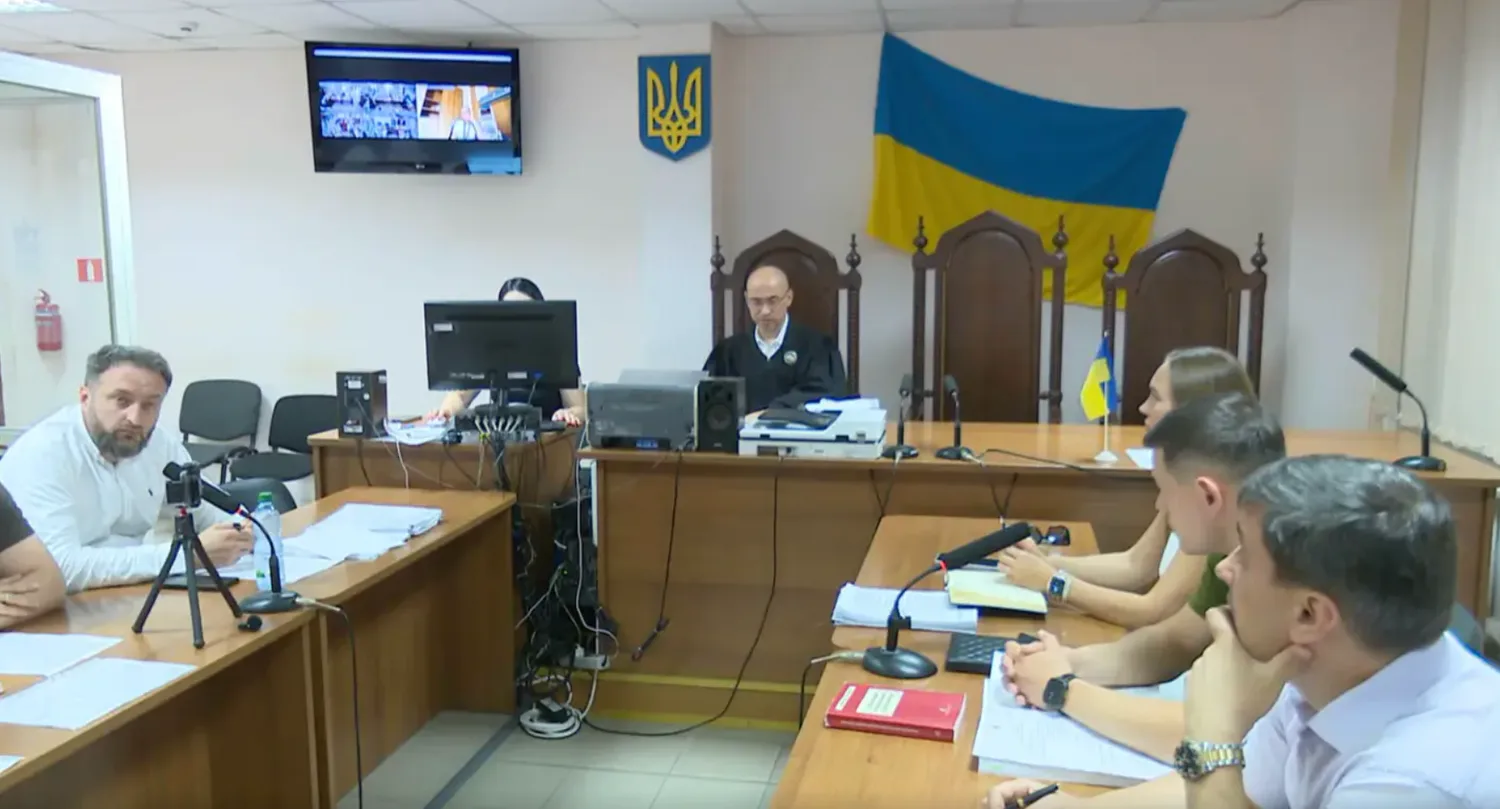
On 10 February the Verkhovna Rada approved in the second reading and as a whole draft law No. 13219, which extends the moratorium on bankruptcy for several important state enterprises — in particular Chornomornaftogaz, SkhidGZK and state-owned mines. 247 deputies voted in favor.
Why this matters now
During the war, economic blows to strategic assets can have consequences that go beyond balance sheets: loss of production, risks to energy supply, and reduced capacity for post-victory recovery. Previously the moratorium was in effect until 31 December 2025 for Chornomornaftogaz and until 1 January 2026 for SkhidGZK and state mines — now that protection has been extended, giving time for more systemic decisions on restructuring and financial recovery.
A brief inventory of risks and assets
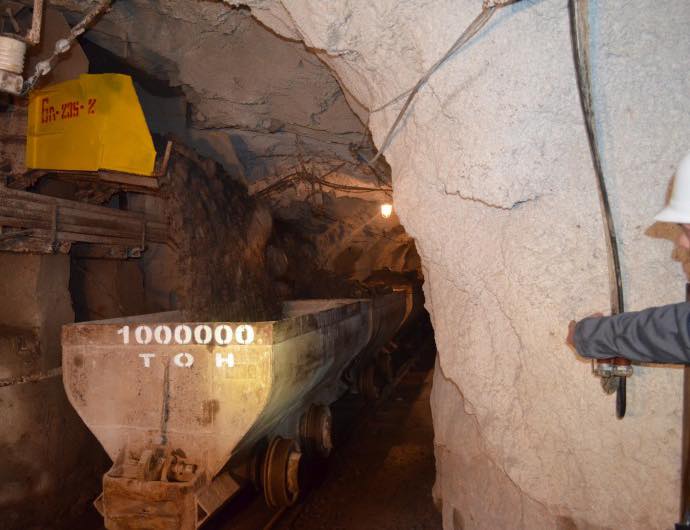
Chornomornaftogaz lost control over its Crimean assets due to the temporary occupation; instead, it now manages the assets of 26 gas-distribution operators, commonly referred to as the "Firtash oblast gas companies." SkhidGZK remains the only producer of uranium ore in Ukraine — a national security factor that goes beyond purely economic logic. And finally — the coal sector: as opposition MP Mykhailo Volynets noted, due to Russian aggression, by the start of 2026 only 15 coal mines remained in Ukraine.
"Due to Russian aggression, by the start of 2026 only 15 coal mines remained in Ukraine."
— Mykhailo Volynets, Member of Parliament (Batkivshchyna party)
What else the law provides
In addition to extending the moratorium, the adopted No. 13219 foresees improvements to the mechanism for "green" auctions and the transfer of authority to local self-government bodies to set tariffs for water and wastewater services. This combines national security with elements of decentralization and market mechanisms — but at the same time poses a number of tasks regarding preparing local administrations for the new responsibility.
Procedure and political background
After the adoption of draft No. 13219, parliament considered in the first reading another document — No. 14216, submitted by Mykhailo Volynets, which effectively reproduced the same provisions. That draft was rejected. This personnel and procedural duality demonstrates that there is consensus in parliament on the need to protect strategic enterprises, but approaches differ on who exactly should initiate the changes.
Conclusion: buying time, but not removing the tasks
The parliament's decision gives the state an important operational resource — time to prepare financial recovery programs, conduct audits and launch governance reforms. However, the moratorium itself does not solve the problems: transparent restructuring plans, oversight of corporate governance and guarantees that state protection will not turn into preservation of inefficiency are needed. The question remains with the government and regulators: how to turn this temporary protection into long-term resilience of the energy sector and municipal services?