Data and brief context
A study by the recruiting firm Spencer Stuart, covering the 1,500 largest public U.S. corporations, recorded that in 2025 every ninth company changed its CEO — the highest level at least since 2010, writes the Wall Street Journal.
Why this "leadership earthquake" is happening
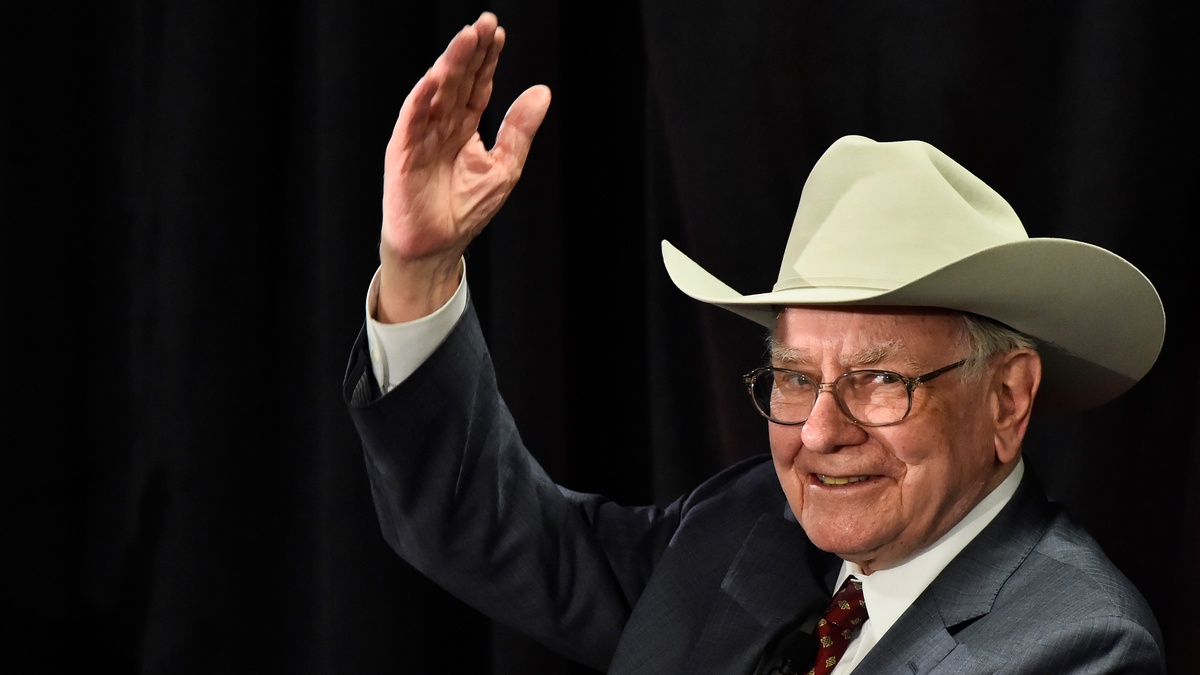
The essence of the phenomenon is a combination of three factors: the rapid development of artificial intelligence, the disruption of long-established trade chains, and overall economic and geopolitical uncertainty. Some changes are reactive (due to poor financial results), others have been planned for years; the piece even cites Warren Buffett's resignation at Berkshire Hathaway as an example.
"This outcome is a large-scale experiment in leadership, as companies try to cope with the swift development of artificial intelligence, the breakdown of long-established trading practices, and an unstable economic and geopolitical situation."
— Wall Street Journal (based on Spencer Stuart's research)
The trend did not stop with 2025: in January–February 2026 new CEOs were appointed at Walmart, Procter & Gamble and Lululemon, and in early February Disney, PayPal and HP simultaneously announced leadership changes. The new leaders are younger: the average age is 54 years versus roughly 56 before, and more than 80% of them are leading a public company for the first time.
Consequences for markets and for Ukraine
For investors and markets this is a signal of transformation: a high rate of replacements can mean increased volatility, strategy reassessments and reshaping of supply chains. Two practical theses are important for Ukraine.
First, new CEOs often review supply chains and technology partnerships. This creates a window of opportunity for Ukrainian IT companies, data centers, component manufacturers and defense contractors that can offer competitive AI and cybersecurity solutions.
Second, personnel at the top of large corporations are a marker of investor confidence. If the changes lead to increased investment in digital transformation, some capital could flow to startups and suppliers from Ukraine. But along with opportunities the risk grows as well: leadership instability can mean contract delays or revisions to cooperation terms.
Short forecast and recommendations
The trend toward leadership renewal is likely to continue: corporations are trying to adapt to rapid technological changes and geopolitical challenges. Ukraine and its businesses should act proactively — building contacts not only with companies but with their new management teams, and positioning expertise in AI, cybersecurity and logistics.
Can Ukrainian business turn the personnel reshuffles in the US into real contracts and investments? The answer depends on the speed of adaptation and the readiness to offer practical, competitive solutions.







